

Майката на Елизабет II искала друг съпруг за бъдещата кралица – не принц Филип
Behind the iconic romance of Queen Elizabeth II and Prince Philip lay a royal love story that nearly took a very different turn. Before the future monarch fell for the Greek prince who would become her husband, another aristocrat—Lord Hugh Euston, later the 11th Duke of Grafton—was once considered her most likely match. The revelation, drawn from the research of royal biographer Hugo Vickers, sheds light on how political maneuvering, wartime strategy and a young princess’s unyielding heart reshaped British history.
The Aristocrat Who Almost Became King
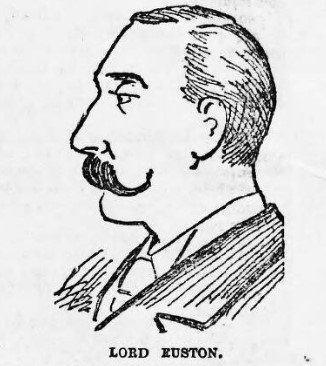
Queen Elizabeth The Queen Mother had a clear preference for her daughter’s future husband: an officer from the Grenadier Guards, Britain’s most prestigious military regiment. During World War II, when Princess Elizabeth and her sister Margaret lived at Windsor Castle, the Queen Mother actively encouraged their interactions with Guardsmen, particularly Lord Hugh Euston. According to Vickers, she viewed him as the ideal candidate—a respected aristocrat with deep ties to the British establishment.
By 1943, Euston was widely seen as the frontrunner. Political diarist Henry “Chips” Channon even noted in his journals that Euston was “destined for higher things—the very throne.” Yet behind the scenes, forces were at work to derail his prospects. Prince Philip’s uncle, Lord Louis Mountbatten, played a pivotal role in securing Euston a high-profile posting as aide-de-camp to the Viceroy of India—a move that effectively removed him from the royal marriage market.

Over time, Euston’s perceived passivity dimmed his appeal. By the end of 1943, interest in him as a suitor had faded. Meanwhile, Princess Elizabeth’s feelings for Prince Philip, whom she had first met in 1939 at age 13, had only deepened. Despite her parents’ initial skepticism—Philip was foreign-born, financially uncertain, and seen as overly assertive—the princess refused to consider alternatives. Even Lord Porchester, another potential match, remained only a friend.
A Love Story That Defied Royal Protocol
The royal family’s resistance to Philip softened only after King George VI witnessed his daughter’s unwavering devotion during a 1946 tour of South Africa. Convinced that separation had only strengthened their connection, the king relented. The engagement was announced in July 1947, and the couple married on November 20 of that year—a union that would redefine the monarchy.
Vickers argues that Philip was the better choice: a dynamic naval officer with progressive ideas who, according to royal insiders, “terrified” the establishment for his potential to modernize the monarchy. His 73-year marriage to Elizabeth—marked by over 20,000 official duties and a legacy of philanthropy—proved them right. Meanwhile, Euston went on to marry Anne Fortune-Smith, who later became one of Queen Elizabeth II’s closest confidantes, serving the royal household for nearly seven decades.
What Might Have Been
Had Euston married Elizabeth, the monarchy’s trajectory could have taken a more traditional path. His ties to the Grenadier Guards and aristocratic elite might have reinforced the institution’s military and class-based foundations. Philip, however, brought international connections, a modernizing influence, and a willingness to challenge royal norms—qualities that helped the monarchy adapt to a changing world.
Analysts speculate that without Philip’s global perspective, the Crown might have struggled to maintain its relevance in the post-war era. His role in over 600 charities and his ability to connect with diverse audiences could have been irreplaceable. Meanwhile, Euston’s later life as a devoted royal servant—though respected—suggests a quieter, less transformative presence.
Frequently Asked Questions
Why did the Queen Mother prefer Lord Hugh Euston over Prince Philip?
She favored Euston because he was a respected officer in the Grenadier Guards, Britain’s most prestigious military regiment, and an established aristocrat. Philip, while admired, was foreign-born, financially uncertain, and seen as too assertive for royal tastes.
Did Princess Elizabeth ever consider another suitor besides Philip?
According to royal commentators, Lord Porchester was mentioned as a possible alternative, but their relationship remained strictly platonic. Elizabeth was reportedly unshakable in her devotion to Philip from their first meeting.
How did Prince Philip’s uncle influence the outcome?
Lord Louis Mountbatten, Philip’s uncle, arranged for Euston to take a high-profile posting as aide-de-camp to the Viceroy of India, effectively removing him from the running as a potential husband for Elizabeth.
As we reflect on the love story that shaped an era, one question lingers: What if history had taken a different turn—and the throne had been claimed by an aristocrat rather than a prince?