

Новият филм на Георги Дюлгеров: Социализъм с човешко лице
Prof. Georgi Dyulgerov is completing an autobiographical film trilogy with his latest production, “Случайните неща” (Random Things), which examines his youth and the impact of the Burgas Theatre during the 1960s. The film, expected to premiere next spring, explores how fateful encounters shifted Dyulgerov’s path from a predicted political career toward cinema. According to Dyulgerov, the project serves as a testament to the era’s dignified individuals and the artistic revolution that occurred in provincial Bulgaria.
How does “Случайните неща” fit into Dyulgerov’s work?
The film concludes a trilogy of largely autobiographical works. Dyulgerov identifies “Лагерът” (1990) as the first installment, which focused on political themes and generational rebellion, and “Буферна зона” as the second, which explored his internal world through dreams.
In “Случайните неща,” the director uses the character Todor Cherkezov as an alter ego to recreate a pivotal period of his adolescence. Dyulgerov stated that while some characters are composites of several people, the lead character’s experiences closely mirror his own life.
What was the significance of the Burgas Theatre?
Dyulgerov describes the Burgas Theatre of the 1960s as a place of spiritual revolution that anticipated its time. The troupe, led by Julia Ognyanova, Leon Daniel, and Vili Tsankov, emerged during a period of “thawing” following the 1956 20th Congress of the CPSU and Nikita Khrushchev’s critique of Stalinism.
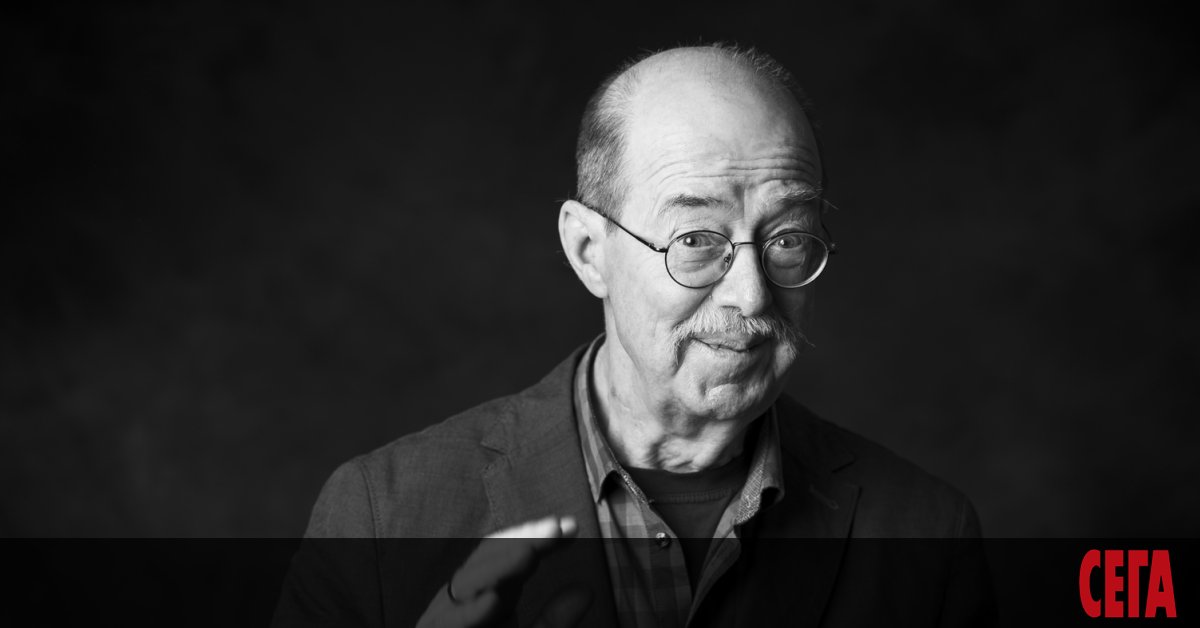
According to Dyulgerov, these artists believed in the possibility of “socialism with a human face.” The theatre staged the first production of Bertolt Brecht’s “Mother Courage and Her Children” in Bulgaria. However, Dyulgerov noted that the theatre was dissolved in the spring of 1960 following the appointment of Stayko Nedelchev.
Who is involved in the production of the film?
Alek Nikolaev takes the lead role, a choice Dyulgerov attributes to the actor’s ability to focus on his partners during a previous role in the film “Разлом.” The cast also includes Alexander, the grandson of Leon Daniel, who portrays his grandfather, and Elena Telbis as Julia Ognyanova.
The technical crew consists of cinematographer Stefan Ivanov, artist Georgi Todorov, costume designer Stamen Stoeva, and sound engineer Ivaylo Natsev. Producer Vladko Andreev and composer Kiril Donchev, who was a composer for the original Burgas Theatre, also contribute to the project.
What challenges did the production face?
Funding remains a primary obstacle in Bulgarian cinema, according to Dyulgerov. He revealed that he applied for funding from the National Film Center (NFC) four times before “Случайните неща” was finally approved.
Dyulgerov contrasted this with his film “Разлом,” which was completed only because friends agreed to work without fees. He continues to advocate for the digital restoration of older films, noting that while “Мера според мера” was successfully restored by Dolly Studio and Dobromir Chochov, many other works remain in poor video quality.
What may happen next for the project?
The film is likely to premiere in the spring of next year. Following the release, Dyulgerov may continue his efforts to lobby for the digital restoration of other cinematic works from his era to ensure they are preserved while the authors are still alive.
Frequently Asked Questions
What is the main theme of “Случайните неща”?
The film explores the influence of “random things” and fateful meetings on a person’s life, specifically how the Burgas Theatre diverted the director from a party career toward art.
Why was the Burgas Theatre dissolved?
According to Dyulgerov, the theatre was shut down in the spring of 1960 due to a change in leadership and the arrival of the “retrograde” Stayko Nedelchev.
How did Julia Ognyanova influence Prof. Dyulgerov?
Ognyanova discovered Dyulgerov’s secret interest in cinema and advised him to study theatrical directing first, as cinema directing was not available in Bulgaria at the time.
Do you believe that cinema is a more authentic document of an era than a historical archive?