
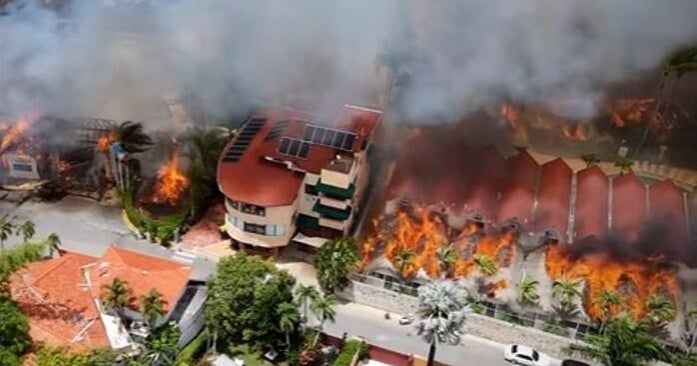
1 killed in large fire at luxury resort in Dominican Republic
A fire at the Viva Wyndham Dominicus Beach resort in the Dominican Republic killed one Italian woman and injured nine others on June 19, 2026. The Dominican Republic’s Emergency Operations Center attributed the rapid spread of the blaze to windy conditions and the use of combustible cane in the resort’s roofing.
Why are traditional resort materials becoming a safety liability?
The use of organic, aesthetic materials in luxury hospitality is facing increased scrutiny following the Viva Wyndham blaze. According to the Dominican Republic’s Emergency Operations Center, a preliminary investigation found that the resort’s cane roof acted as a primary accelerant, allowing flames to spread quickly across the beachside structures.
Industry trends are shifting toward “synthetic thatch” and fire-retardant polymers. These materials mimic the look of traditional Caribbean cane but are treated with chemicals to resist ignition. While natural cane provides a four-star aesthetic, the risk profile increases in high-wind zones, as seen in the Bayahibe incident.
How are mega-resorts evolving their evacuation protocols?
The scale of modern tourism creates massive logistical hurdles during emergencies. In the case of Viva Wyndham Dominicus Beach, the Emergency Operations Center reported that approximately 1,690 guests had to be evacuated to other hotels and nearby housing.

This event highlights a growing trend toward “inter-resort mutual aid agreements.” Because the nearby Dominicus Palace remained undamaged and operational, it served as a critical reference point for the safety of the immediate area. Future trends suggest resorts will implement digital guest-tracking systems to ensure 100% accountability during rapid evacuations of thousands of people.
What role does weather play in tropical fire risks?
Wind is often the deciding factor in whether a localized fire becomes a catastrophe. The Emergency Operations Center explicitly cited “windy conditions” as a contributing factor to the spread of the fire in La Altagracia province.
As climate patterns shift, resorts in the southeastern coast of the Dominican Republic are beginning to integrate wind-speed sensors with automated fire alarm systems. This allows management to trigger early warnings when high winds coincide with high-risk activities, such as outdoor cooking or electrical surges in combustible areas.
Comparing the impact: Confirmed data vs. reported outcomes
The scale of the incident is reflected in the casualty and evacuation figures provided by official sources:
| Metric | Official Figure | Source |
|---|---|---|
| Fatalities | 1 (Italian national) | La Romana Province Official |
| Injuries | 9 (3 hospitalized) | Juan Manuel Mendez (EOC) |
| Evacuations | ~1,690 guests | Emergency Operations Center |
Frequently Asked Questions
What caused the fire at Viva Wyndham Dominicus Beach?
The cause is currently under investigation, but the Emergency Operations Center stated that combustible cane roofing and windy conditions accelerated the blaze.
Were all guests safe?
While one person died and nine were injured, the Emergency Operations Center confirmed that approximately 1,690 guests were successfully evacuated.
Is the Dominicus Palace resort affected?
No. According to the Emergency Operations Center, the Dominicus Palace was not damaged and continues to operate normally.
Stay Informed on Travel Safety
Do you think luxury resorts should ban natural thatch roofs for safety? Share your thoughts in the comments below or subscribe to our newsletter for more industry insights.