

10 Artists Who Defined 90s Alternative Rock & Culture
The 1990s weren’t simply a decade; they were a cultural upheaval defined by a merging of musical genres and a spirit of defiance. Musicians sparked a wave of reform, impacting not only music but also art and fashion. American festival culture found a firm foothold thanks to events like Lollapalooza. The sounds of this era continue to resonate today, influencing contemporary artists like the Fighters and Jeff Buckley.
A Decade of Transformation
The 1990s proved to be one of the most transformative decades in American music history. Bands like Rage Against the Machine and TOOL shaped the political and artistic landscape, while fashion embraced a vintage aesthetic alongside designer Mark Jacobs’s interpretation of grunge. Below, we explore ten artists who significantly shifted the cultural landscape during this pivotal time.
Alice in Chains
Alice in Chains predated the grunge label itself, defining the Seattle music scene with Jerry Cantrell’s heavy metal guitar work, minor key arrangements, and Layne Staley’s poignant vocals. Their 1990 album, Facelift, arrived before Nirvana’s Nevermind cemented grunge’s mainstream appeal. The band followed with 1992’s “Dirt,” featuring the hit single “Would?” – initially appearing on the soundtrack for the film “Singles.” Further success came with the #1 debut of the Jar of Flies EP in 1994, a self-titled album in 1995, and a celebrated 1996 MTV Unplugged performance.
Foo Fighters
Following the tragic death of Kurt Cobain in 1994, Nirvana’s drummer, Dave Grohl, formed the Foo Fighters. Grohl took on the role of frontman alongside Pat Smear, Nate Mendel, and initially William Goldsmith (later replaced by Taylor Hawkins). The 1997 single “Everlong” established Grohl as a formidable songwriter and performer, and remains a fan and critic favorite for its emotional depth and instrumental skill. The Foo Fighters would go on to become one of the most successful international rock bands.
Rage Against the Machine
Hailing from Los Angeles, Rage Against the Machine emerged in 1991, blending heavy metal, punk, funk, rock, and rap with potent anti-capitalist messages. Guitarist Tom Morello holds a degree from Harvard, while frontman Zack de la Rocha’s ancestry includes a veteran of the Mexican Revolution. The band’s explosive energy, fueled by drummer Brad Wilk and bassist Tom Commerford, ignited a musical rebellion with the single “Killing in the Name” and their 1992 self-titled debut album. They were later inducted into the Rock and Roll Hall of Fame.
Jeff Buckley
Jeff Buckley, the son of 1960s folk-rock singer Tim Buckley, profoundly impacted the 90s with his soulful voice and emotive delivery. His 1994 debut album, Grace, garnered praise from artists like David Bowie, Bob Dylan, and Thom Yorke. His untimely death in 1997 cemented his iconic status, and his rendition of Leonard Cohen’s “Hallelujah” remains a beloved ode to life and love.
TOOL
In 1992, TOOL released their first album, Opiate, followed by Undertow in 1993. Their performance at Lollapalooza in 1993 led to a quick upgrade from the second to the main stage due to overwhelming crowd response. The band’s commitment to visual arts, provocative stage presence, and uncompromising attitude resonated with a dedicated fanbase, resulting in five studio albums and four Grammy Awards.

Fiona Apple
Fiona Apple emerged in the mid-90s with her debut album, Tidal (1996), and the single “Criminal.” Influenced by jazz, show tunes, and earlier female singer-songwriters, Apple won a Grammy Award for Best Female Rock Performance in 1997 and the MTV Video Music Award for Best New Artist. Her outspoken acceptance speech, declaring “the world is bullshit,” solidified her image as a rebellious voice.
Soul Asylum
Soul Asylum, from Minneapolis, Minnesota, offered a melodic counterpoint to the decade’s heavier sounds with their 1993 hit, “Runaway Train.” The song earned them a Grammy, an MTV Unplugged performance (where frontman Dave Pirner began a relationship with Winona Ryder), and a performance at Bill Clinton’s Presidential Inauguration. Their album, Grave Dancers Union, showcased their influence as an alternative rock band.
CAKE
CAKE brought a sardonic edge to 90s music culture with their 1996 hit, “The Distance,” which became an unlikely sports anthem. Originating from Sacramento, lead singer John McCrea charmed audiences with his deadpan delivery and ironic lyrics. They achieved platinum status with two albums and a unique rendition of Gloria Gaynor’s “I Will Survive.”
Spin Doctors
The Spin Doctors, described as “pseudo-hippie jam oriented blues rockers” from New York, achieved mainstream success with their 1991 debut album, Pocket Full of Kryptonite, and the hits “Two Princes” and “Little Miss Can’t Be Wrong.” They exemplified the decade’s spirit of breaking down genre norms.
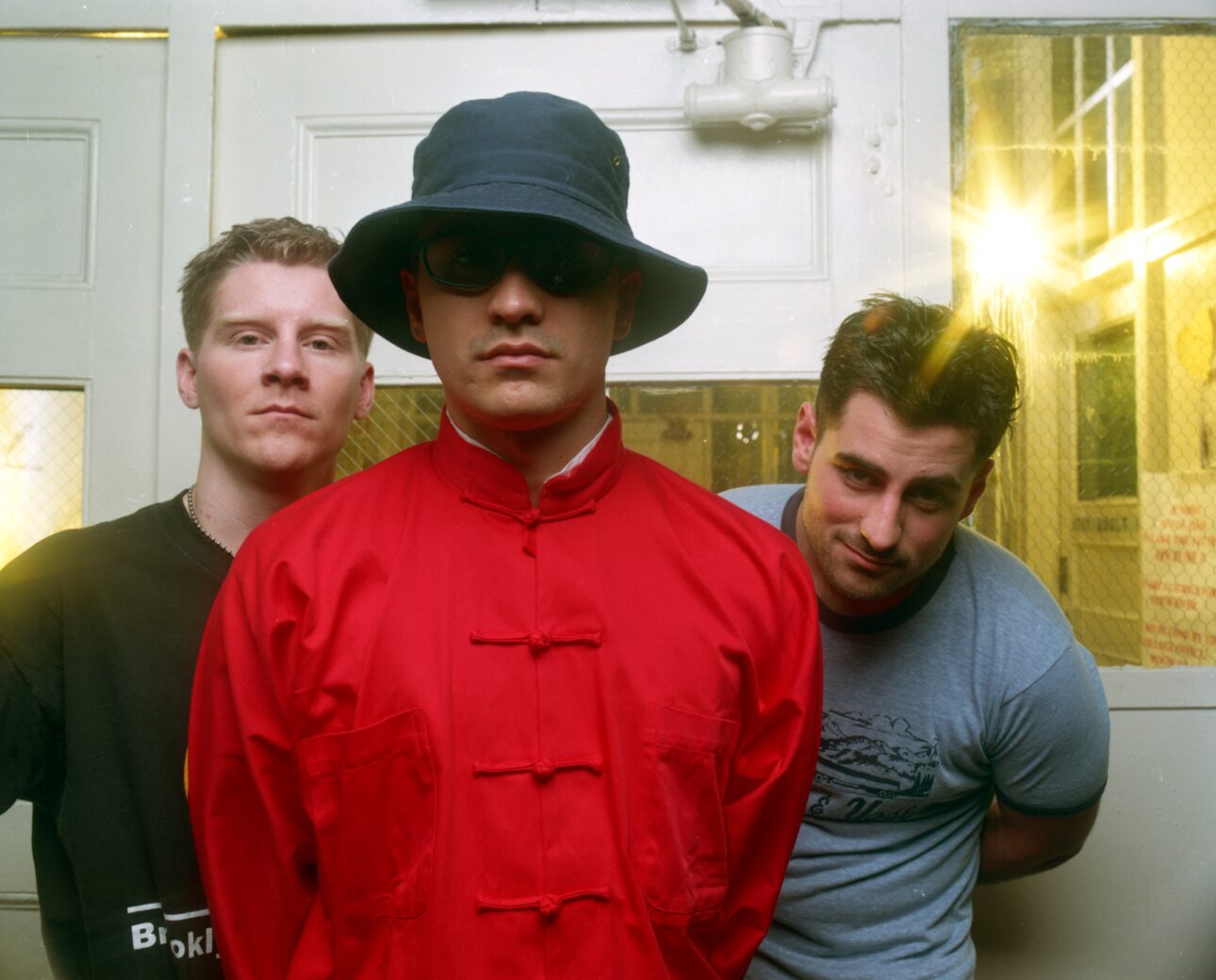
Wheatus
Wheatus’s iconic single, “Teenage Dirtbag,” released in 2000, captured an experience from lead singer Brendan B Brown’s 90s youth. The song’s poppy melodies and deadpan vocals embodied the era’s attitude. The band has since released six albums, and the song experienced a resurgence in 2022 thanks to a TikTok trend, with the hashtag #teenagedirtbag garnering over 2 billion views.
Other notable artists of the decade included Pearl Jam, Depeche Mode, Korn, Incubus, 311, and Ozzy Osbourne.
Frequently Asked Questions
What defined the music of the 1990s?
The music of the 1990s was defined by a merging of genres and a spirit of defiance, with bands like Rage Against the Machine and TOOL shaping the political and artistic landscape.
Which band was moved to the main stage at Lollapalooza due to crowd control?
TOOL was moved from the second stage to the main stage at Lollapalooza in 1993 due to overwhelming crowd response.
When did Jeff Buckley release his debut album, *Grace*?
Jeff Buckley released his debut studio album, *Grace*, in 1994.
Considering the lasting impact of these artists, how do you think the sounds and attitudes of the 1990s continue to influence music and culture today?