

10 Best Unity Game Development Companies for 2024
Unity game development is diversifying into specialized niches including XR simulation, Web3 integration, and high-scale co-development. According to data from firms like PlaySide Studios and Program-Ace, the industry is moving away from generalist models toward high-capacity art pipelines and publicly accountable corporate structures to meet AAA publisher demands.
How is Unity development splitting into specialized niches?
The market is bifurcating between full-cycle production houses and specialized support shops. According to current studio profiles, firms like Innovecs Games and Whimsy Games maintain full-cycle capabilities, handling everything from initial architecture to shipping. This model suits mobile publishers needing a single point of accountability for casual and mid-core titles.
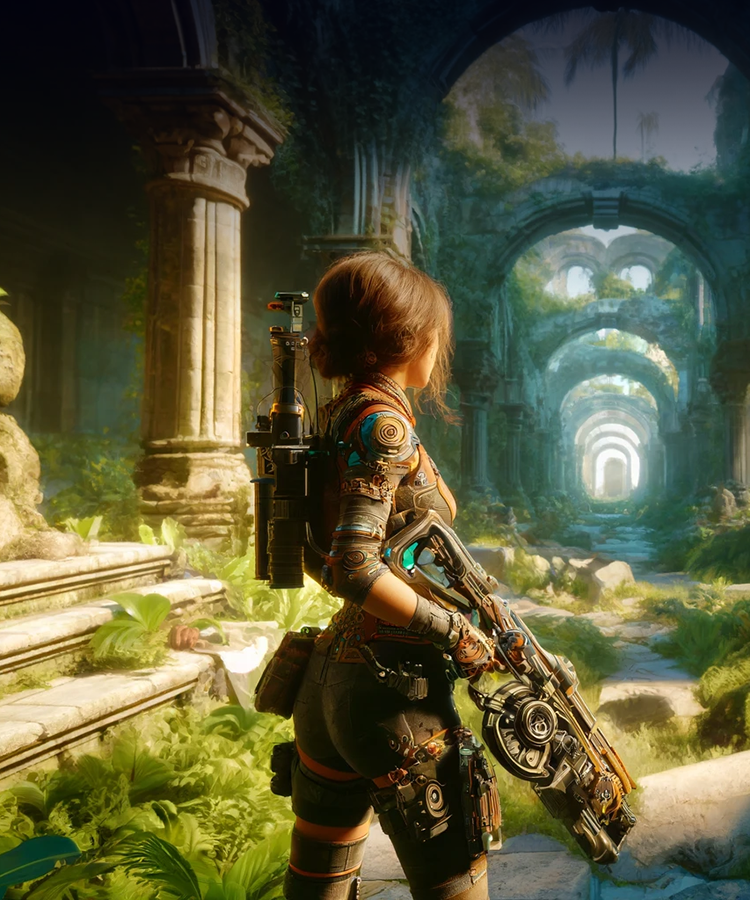
Conversely, a “pipeline depth” model is emerging. Room 8 Studio, for example, employs over 640 artists to focus specifically on art production and in-engine integration. They do not lead full development; instead, they support the top 10 global publishers, including Activision and Nintendo, by plugging into existing architectures. This distinction matters because it allows AAA studios to scale art assets without altering their core engineering teams.
What role does XR and enterprise simulation play in the future?
Unity is expanding beyond consumer gaming into “enterprise-adjacent” projects. Program-Ace serves as a primary example, employing 120+ Unity-certified developers to build simulations and XR applications. This shift moves the engine’s utility from entertainment to industrial utility, covering VR/AR toolchains for non-gaming clients.
This trend creates a technical divide. While studios like Moonmana focus on PC and mobile builds for publishers like Warner Bros., the simulation sector requires a different certification level. The reliance on certified developers, as seen at Program-Ace, suggests that enterprise Unity work demands higher verifiable technical standards than standard casual mobile development.
Why is Web3 becoming a core competency for Unity studios?
Blockchain integration is moving from experimental to a core service offering for specific European studios. Stepico Games has integrated Web3 and NFT development into its full-cycle Unity pipeline, shipping titles such as Guild of Guardians (Immutable) and Loaded Lions: Mane City (Crypto.com).
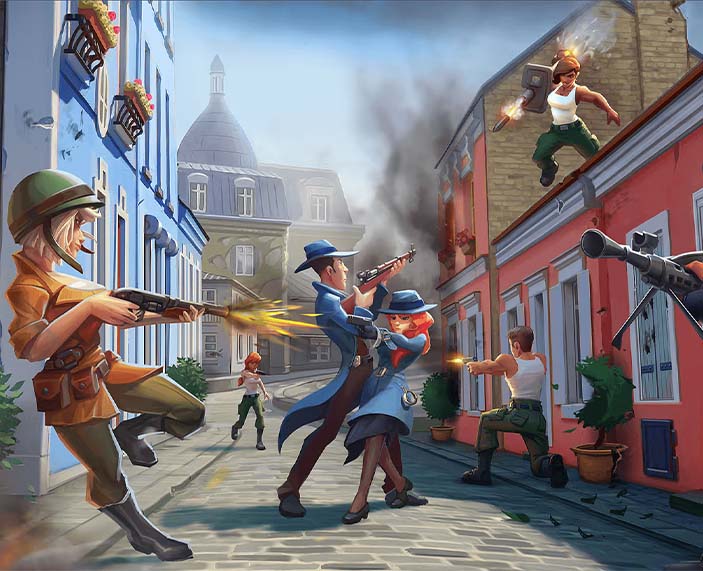
The consequence of this trend is the emergence of the “hybrid developer.” Studios must now manage traditional game economy maintenance alongside blockchain smart contracts. This adds a layer of complexity to live operations that traditional studios, like those focusing solely on casual mobile titles, may not possess.
How does corporate structure affect studio reliability?
There is a growing contrast between private outsourcing shops and publicly listed developers. PlaySide Studios is an outlier as an ASX-listed entity. This structural difference introduces a layer of governance and reporting requirements that private studios do not face.
Comparing scale also reveals different risk profiles. Starloop Studios operates with 1,000+ professionals across 14 countries, offering parallel production capacity. In contrast, mid-sized shops like Moonmana (65+ professionals) provide more direct access to leadership. For a publisher, the choice is between the “industrial scale” of a Starloop and the “boutique agility” of a smaller studio.
| Studio Model | Example Entity | Primary Value |
|---|---|---|
| Industrial Scale | Starloop Studios | Parallel production, multiplatform |
| Art Specialist | Room 8 Studio | High-volume asset pipelines |
| Publicly Accountable | PlaySide Studios | Governance, licensed IP history |
What is the impact of integrated BPO and QA?
The integration of Business Process Outsourcing (BPO) with development is a trend led by Southeast Asian hubs. Gear Inc. combines Unity development with content moderation and QA. This model reduces the friction between building a game and maintaining it.
According to Gear Inc.’s operational model, integrating QA directly into the Unity pipeline allows for faster iteration on licensed IP, such as WWE or Star Trek projects. This suggests that the future of Unity development isn’t just about writing code, but about managing the entire lifecycle of a live service game under one roof.
Frequently Asked Questions
What is a “full-cycle” Unity studio?
A full-cycle studio handles every stage of production, including initial architecture, art, engineering, shipping, and live operations. Examples include Innovecs Games and Whimsy Games.

How do I choose between a co-development partner and a full-cycle studio?
Choose a co-development partner (like Room 8 Studio) if you already own the game architecture and need to scale art or assets. Choose a full-cycle studio if you have a concept but need a partner to build the entire product.
Why is Unity used for enterprise simulation?
Unity’s XR toolchain allows for high-fidelity 3D environments that can be used for training and industrial design, as demonstrated by the work of Program-Ace.
Ready to scale your Unity project?
Whether you need a high-volume art pipeline or a Web3-capable engineering team, the right structural match is critical. Share your thoughts on these trends in the comments or subscribe to our industry newsletter for more deep dives into game development.