
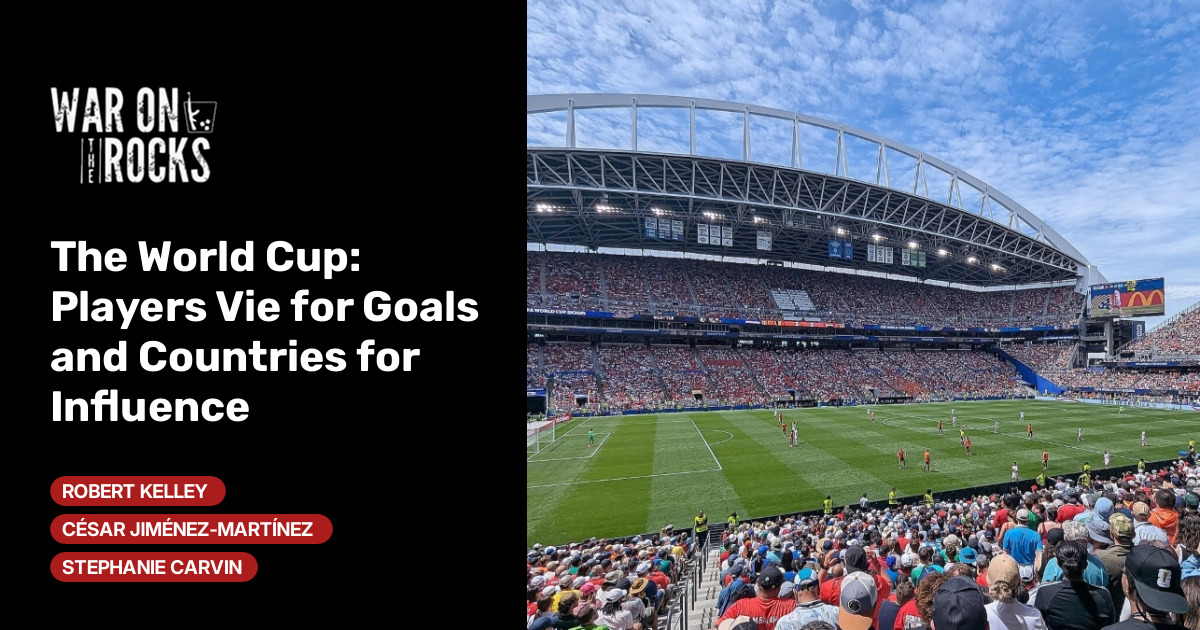
2026 FIFA World Cup: Diplomacy, Influence, and Geopolitics in North America
The 2026 FIFA Men’s World Cup, co-hosted by the United States, Mexico, and Canada, will feature 48 national teams as a primary vehicle for public diplomacy and geopolitical influence. According to Robert Kelley, an assistant professor at American University, the tournament serves as a global showcase where national teams and fans provide a “human face” for their countries’ diplomatic narratives amid fluctuating trade relations and political tensions.
How does the 48-team expansion impact global soft power?
The increase to 48 teams allows a broader array of nations to utilize “soft power”—the ability to shape preferences through appeal and attraction rather than coercion. Robert Kelley notes that for first-time participants like Curaçao and Cabo Verde, the tournament is a rare opportunity to command international attention and reshape their global reputation.
Established powerhouses like France and Argentina use these events differently. According to Kelley, their national teams often act as a “salve for convulsing societies,” using athletic success to project internal stability and national pride to the rest of the world.
Why is the USMCA review a risk to the joint hosting effort?
The joint bid for the 2026 tournament was designed to highlight North American connectivity. However, relations between the three host nations have deteriorated since the bid’s announcement in 2017. A critical friction point is the U.S.-Mexico-Canada Agreement (USMCA), which faces a scheduled review on July 1.

U.S. President Donald Trump has expressed misgivings regarding the USMCA. This creates a contradiction where the hosts must coordinate a massive logistical sporting event while simultaneously negotiating high-stakes trade disputes. The tournament’s success depends on infrastructure and security cooperation that could be hampered by trade volatility.
What happens when sports diplomacy clashes with trade policy?
History shows a recurring gap between the “unity” projected during sporting events and the reality of diplomatic relations. While the 2026 World Cup aims to celebrate “the beautiful game,” the hosts are currently vying for influence and negotiating trade terms that often conflict with the spirit of cooperation.
This tension mirrors previous global events where athletic cooperation masked deep political rifts. The 2026 event is unique because the friction is not between a host and a visitor, but among the hosts themselves. According to the analysis provided by Robert Kelley, the “air is thick with contests of public diplomacy” that extend far beyond the pitch.
Frequently Asked Questions
What is the role of public diplomacy in the World Cup?
Public diplomacy is the process by which a country communicates with foreign publics to improve its image. In the World Cup, this is achieved through the performance of the national team and the behavior of its supporters.
When is the USMCA review scheduled?
The USMCA is scheduled for review on July 1, according to reports on North American trade relations.
Which countries are hosting the 2026 World Cup?
The tournament is being co-hosted by the United States, Mexico, and Canada.
Join the conversation: Do you think sports events can actually improve diplomatic relations, or are they just a mask for political tension? Let us know in the comments below or subscribe to our newsletter for more geopolitical analysis.