

2026 Market Split: Stocks Surge as Bitcoin and Crypto Struggle
The global financial landscape in 2026 is defined by a sharp divergence between traditional equity markets and the cryptocurrency sector. While the FTSE MIB reached a new record high on June 18 and major indices like the Nasdaq have posted significant gains, Bitcoin and Ethereum have suffered substantial losses. This market split is driven primarily by interest rate policies and the expansion of artificial intelligence, rather than geopolitical tensions.
Did You Know? The FTSE MIB has emerged as a top-performing index in 2026, recording a 16.05% gain over the first six months of the year, outperforming the S&P 500’s 9.71% increase.
Market Performance and the AI Narrative
The Nasdaq leads the major indices with a year-to-date gain of approximately 21%, bolstered by the ongoing boom in artificial intelligence, semiconductors, and data center infrastructure. The FTSE MIB follows as the second-best performer, while the S&P 500 (+9.71%), Euro Stoxx (+7.88%), and Dow Jones (+6.98%) show solid, albeit lower, growth. In contrast, the German DAX remains stagnant at 2.07%, reflecting regional economic weakness.

Expert Insight: Samantha Carter notes that the current market environment favors assets capable of generating real, measurable returns. As investors demand yield in a high-interest rate climate, capital is flowing toward profitable equities while shunning speculative assets that lack consistent cash flow, such as many cryptocurrencies.
The Impact of Interest Rates on Asset Classes
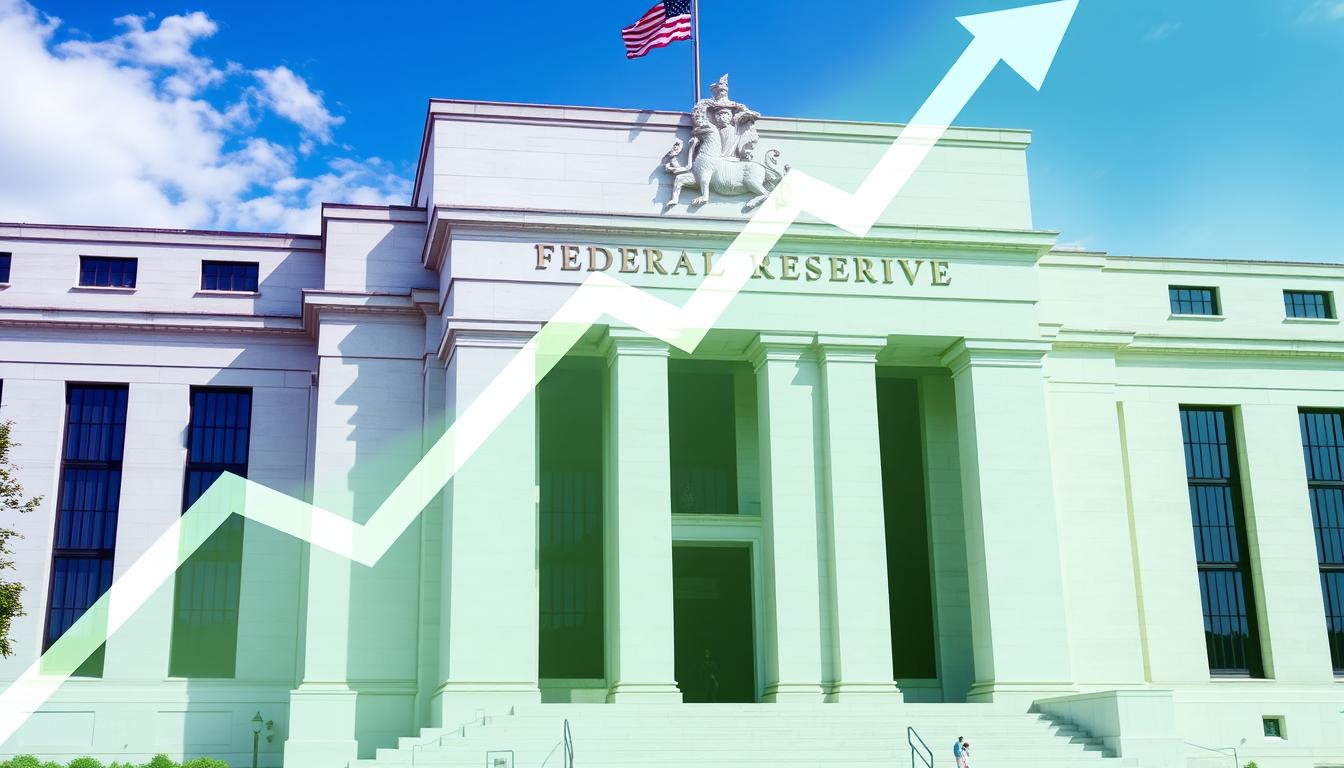
The divergence between winning and losing assets is largely attributed to central bank policy rather than the Iran-USA geopolitical situation. With the Federal Reserve under Kevin Warsh maintaining a restrictive stance, interest rates remain at 3.50–3.75%, with the dot plot suggesting the possibility of further hikes. Because Treasury yields are hovering near 4%, investors are punishing assets that do not provide competitive returns.
This trend is visible in the commodities market, where non-yielding assets have struggled. While gold has limited its year-to-date losses to 3.62%, silver has fallen 8.60%, and platinum and palladium have dropped 21.94% and 25.24% respectively. Meanwhile, agricultural commodities have seen growth, with cotton rising 24% and wheat 21%.
Cryptocurrency Struggles in 2026
Digital assets have faced a significant bearish trend throughout the first half of the year. Bitcoin has declined by 28.03% since late January, while Ethereum has seen a steeper drop of 43.35%. Large-cap altcoins have fared even worse, with Solana falling 45.54%, Ripple down 39.73%, and Chainlink losing 37.35%.
There are limited exceptions in the crypto space, specifically for tokens tied to new, functional use cases. For example, Hyperliquid (HYPE) has bucked the trend with a 192% increase, suggesting that investors are prioritizing utility over speculative holding.
What Lies Ahead for Investors
Market attention is now focused on the sixty-day window for Iran-USA negotiations and the evolving monetary policy signals from the Federal Reserve. Analysts suggest that Bitcoin may only become an attractive prospect if it experiences significant downward movement, potentially breaking below current annual lows. Until then, the market is likely to remain sensitive to macroeconomic shifts rather than individual token technical patterns.

Frequently Asked Questions
Why is the FTSE MIB performing so well compared to other global indices?
The Italian index is benefiting from domestic banking sector activity, including major moves by institutions like Intesa Sanpaolo, Monte dei Paschi, Banco BPM, and UniCredit’s interest in Commerzbank.
What is driving the decline in the cryptocurrency market?
The decline is attributed to a regime where capital demands real returns. High interest rates and the attractiveness of Treasury yields have reduced interest in speculative assets that lack yield or proven utility.
Are geopolitical tensions the primary factor influencing current market trends?
No. While the Iran-USA situation is a factor, the primary drivers of market performance in 2026 are interest rate expectations set by central banks and the capital flow toward industries with real earnings, such as AI and semiconductors.
Will the current focus on real-world utility in digital assets create a permanent shift in how investors value cryptocurrencies?