
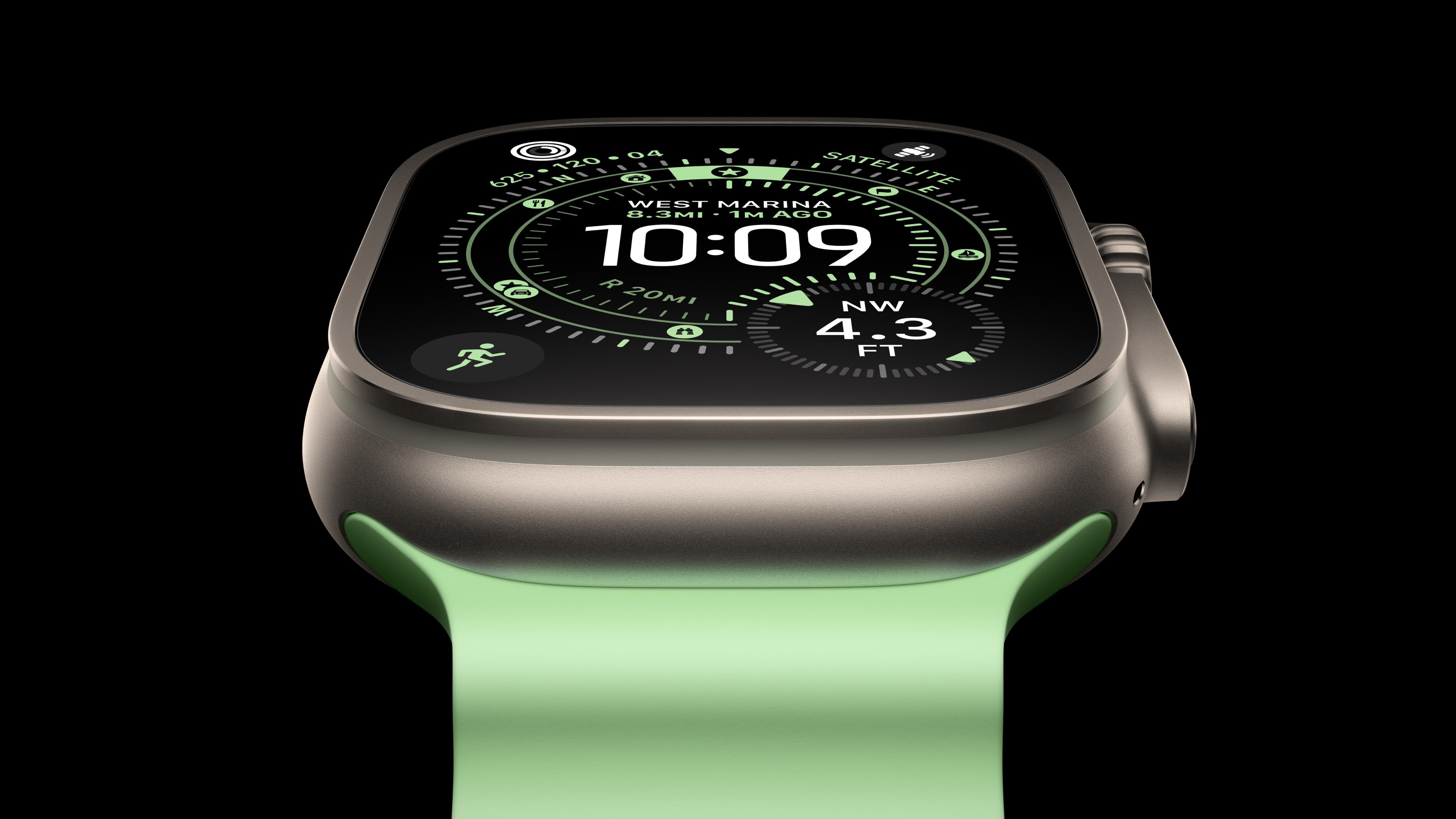
2027 Apple Watch Could Adopt Next-Generation OLED Display Tech
The Next Evolution of Apple Watch Displays: Why Power Efficiency Is the Final Frontier
For years, the “battery anxiety” associated with smartwatches has been the biggest hurdle for power users. While Apple has made significant strides with LTPO (low-temperature polycrystalline oxide) technology—the backbone behind current always-on displays—the race for the next breakthrough is already heating up in the display supply chain.
Recent industry reports suggest that Apple is eyeing a shift toward High-Mobility Oxide (HMO) technology. If implemented, this could be the most significant display upgrade since the introduction of the OLED panel itself, potentially squeezing even more life out of your wrist-worn device.
What Is HMO and Why Does It Matter?
At its core, the display “backplane” is the circuit board that controls every pixel on your screen. The current industry standard, LTPO, is excellent at variable refresh rates—dropping down to 1Hz to save power when you aren’t looking at your watch. However, HMO aims to push the boundaries of electron mobility.
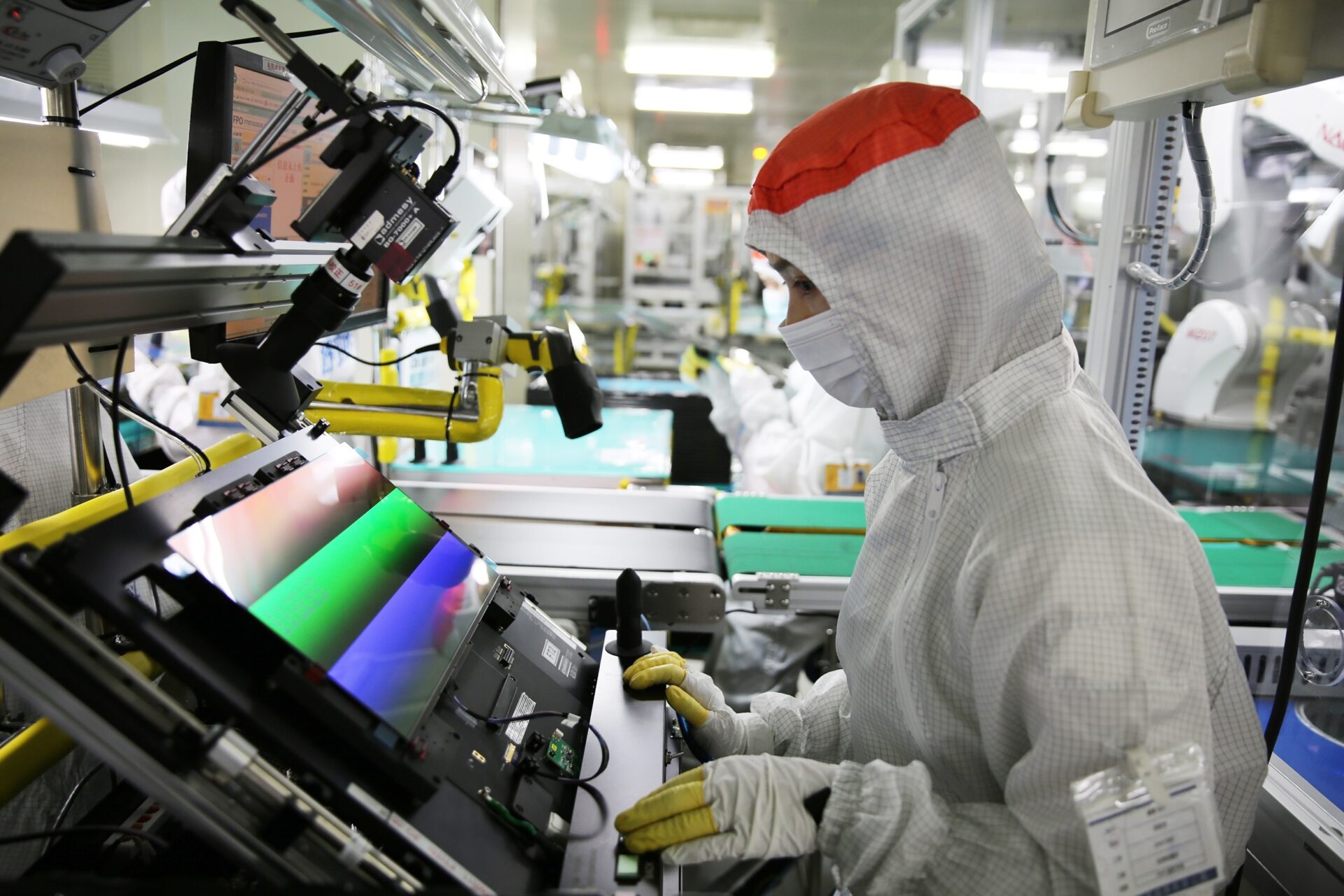
In simple terms, “mobility” refers to how quickly electrons can move through the transistor material. Current oxide TFTs typically operate at a mobility of under 10 cm²/Vs. HMO technology aims to push this to 30–50 cm²/Vs. Faster electron movement means the display can be driven more efficiently, requiring less power to maintain the same brightness and clarity.
The Battle of the Titans: LG vs. Samsung
It’s not just about the technology itself, but how it’s manufactured. Two of the world’s largest display suppliers are taking different paths to win Apple’s business:
- LG Display: Focused on the “sputtering” process. This method is generally easier to integrate into existing production lines, making it a cost-effective and scalable solution for mass-market devices.
- Samsung Display: Pursuing Atomic Layer Deposition (ALD). While slower and more complex, this process allows for an incredibly precise, thin-film layer. This could result in a more durable and uniform display, potentially reducing power leakage even further.
Why This Matters for Your Daily Life
Why should you care about backplane tech? It isn’t just about technical specs; it’s about the user experience. Higher mobility displays allow for:
- Extended Battery Life: Better efficiency means your watch could last well into a second day on a single charge.
- Brighter Peak Performance: Improved transistor efficiency allows for higher brightness in direct sunlight without burning through your battery.
- Always-On Improvements: Smoother animations and more responsive refresh rates without the typical power penalty.
Frequently Asked Questions
What is the main benefit of HMO display technology?
HMO increases electron mobility, allowing the display to operate more efficiently. This results in lower power consumption, which is critical for extending battery life in devices like the Apple Watch.
Will this make my current Apple Watch obsolete?
Not at all. Current LTPO technology remains industry-leading. HMO is an iterative improvement designed for future hardware, but it doesn’t change the core functionality of the watch you wear today.
When will we see this technology in stores?
While industry reports suggest testing is underway, mass adoption depends on validation of reliability and manufacturing yields. We may see it in premium wearable models within the next few years.
What do you think is the most important feature for a future smartwatch? Is it battery life, display brightness, or something else entirely? Let us know in the comments below or join our weekly newsletter for the latest in display tech and Apple rumors.