

30 Years of Aerobiology in Spain: Symposium at University of Córdoba
The University of Córdoba hosted the symposium “1992-2026: more than 30 years of Aerobiology in Spain” on June 18 and 19 to evaluate the progress of the Spanish Aerobiology Network (REA). According to event organizers, the network has expanded from three monitoring units at its 1992 inception to nearly 50 sampling stations today to track atmospheric pollen and spores.
The event brought together key figures including University of Córdoba (UCO) Rector Manuel Torralbo, REA founder and emeritus professor Eugenio Domínguez, and REA coordinator Carmen Galán. Also in attendance were Francisco Javier Rodríguez, president of the Spanish Association of Aerobiology (AEA), and Rafael Martínez, the territorial delegate for Sustainability and Environment in Córdoba.
How does the Spanish Aerobiology Network impact public health?
The REA monitors pollen levels to prevent allergies and control air quality, according to the symposium’s proceedings. Carmen Galán stated that a primary achievement of the network is the standardization of work methods and quality standards.
Galán noted that these standards allow for the reliable comparison of data across different regions. This consistency serves to protect population health and advance scientific knowledge on a national and international scale.
What are the current challenges facing aerobiology?
Francisco Javier Rodríguez identified climate change, artificial intelligence, and an increase in allergies as primary challenges for the discipline. He described the symposium as a space for reflection on these factors and new technological developments.
Rodríguez stated that aerobiology has developed based on shared knowledge and collaboration. Rafael Martínez added that the science is critical for health, the environment, and agriculture.
What happens next for pollen monitoring in Spain?
The discipline may rely more heavily on automatic monitoring instruments to address evolving environmental threats. During the event, a pre-symposium focused on equipment currently used in the AutoPollen intercomparative study.
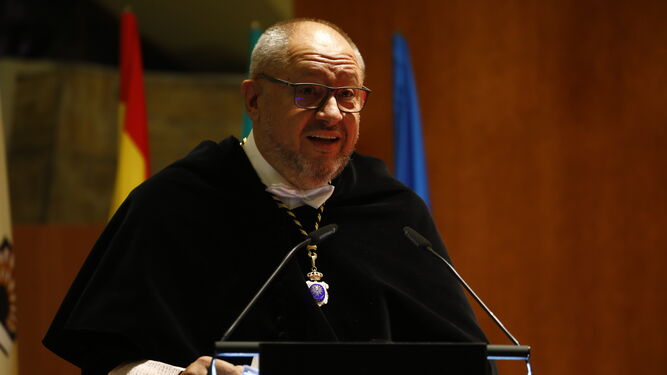
Future progress is likely to depend on the ability of new researchers to adopt these technologies. Rector Manuel Torralbo emphasized that the field has operated under “Open Science” principles before the concept became popular, suggesting that open data will continue to serve society.
Frequently Asked Questions
What is the main goal of the Spanish Aerobiology Network (REA)?
The REA focuses on monitoring atmospheric pollen and spores to prevent allergies, control air quality, and develop related legislation and regulations.
Who coordinates the REA?
The network is coordinated by the University of Córdoba (UCO).
Is the REA part of a larger organization?
Yes, the REA has been integrated into the Spanish Association of Aerobiology since 1995 and is a member of the European Aeroallergen Network (EAN).
How do you think real-time pollen tracking impacts your daily health decisions?