

4 Noise-Canceling Headphones to Avoid According to Consumer Reports
The Future of Silence: Where Noise-Canceling Tech Is Headed
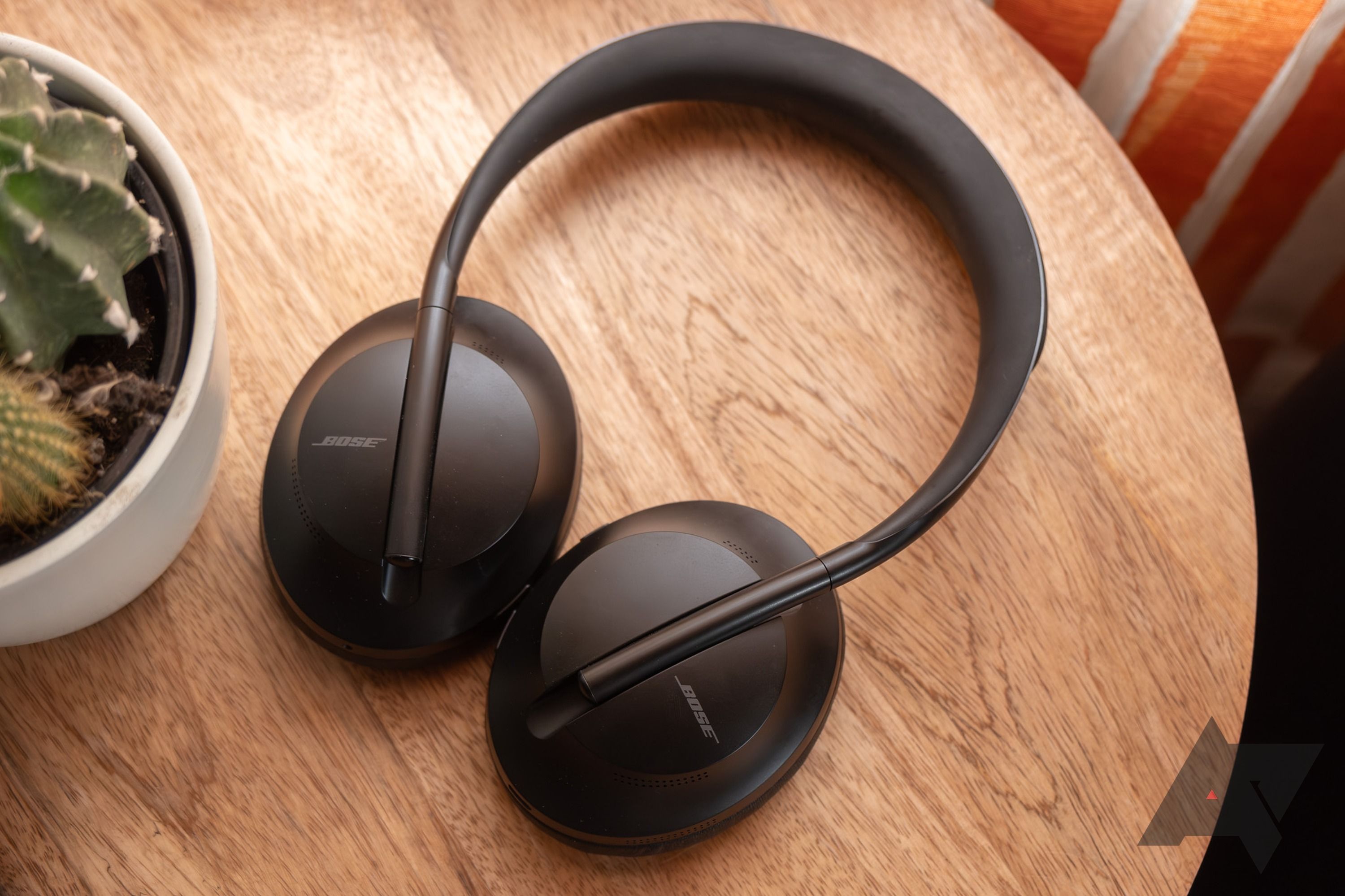
We live in an increasingly noisy world. From the persistent roar of city traffic to the hum of open-office plans, the demand for high-quality active noise-canceling (ANC) headphones has never been higher. However, as the market becomes flooded with budget-friendly options, the gap between premium performance and disappointing hardware is widening.
While industry leaders like Sony and Bose continue to refine their algorithms, the “race to the bottom” regarding pricing has left many consumers with lackluster devices. Understanding where this technology is going—and why some products fail while others thrive—is key to making a smarter investment for your ears.
The Anatomy of a Failure: Why Cheap ANC Often Underperforms
The core of ANC technology relies on a delicate balance between high-quality microphones, processing power, and physical acoustic isolation. When manufacturers cut corners—such as using low-grade sensors or poor-quality plastic—the result is often more than just bad sound. This proves a failure of the user experience.

As seen with models like the Amazon Basics Hybrid ANC or the Onn Wireless Over-Ear, the common pitfalls include “muffled” microphone quality and over-sensitive ear-detection sensors. In the future, we expect to see a shift where consumers prioritize build reliability over secondary features like app-based EQ presets, which cannot fix fundamentally flawed hardware.
AI-Driven Noise Cancellation: The Next Frontier
The future of ANC isn’t just about blocking out sound; it’s about intelligent sound management. We are moving toward “Adaptive ANC,” where artificial intelligence analyzes your environment in real-time, adjusting the frequency response to silence specific, unpredictable noises like a coworker’s voice or a crying baby, rather than just a constant engine drone.
According to industry trends, companies are shifting away from passive physical isolation toward software-heavy solutions. While this allows for smaller form factors, it also makes the internal processor the most critical component of the headphone. If the software is buggy or the processing power is weak, the ANC will inevitably lag.
The Sustainability Gap: Why Durability Matters
A major trend currently plaguing the mid-range market, exemplified by the Soundcore Space Q45, is the “disposable tech” phenomenon. When a $150 pair of headphones features hinges that snap or plastic that cracks within months, the environmental and financial cost is significant.
Consumers are becoming more vocal about “Right to Repair” and long-term durability. Moving forward, brands that offer modular components—like replaceable ear pads and swappable batteries—will likely gain a competitive advantage over those producing high-volume, low-durability electronics.
Frequently Asked Questions
How can I tell if a pair of ANC headphones is actually good?
Look for professional, hands-on reviews from trusted sources like Consumer Reports. Avoid relying solely on aggregate star ratings, as these can be skewed by early-adopter bias or incentivized reviews.
Is it worth spending more than $200 on ANC headphones?
In most cases, yes. The jump in quality from a $50 pair to a $250 pair is usually massive in terms of both noise-cancellation efficacy and, more importantly, the longevity of the device.
What is the biggest sign of poor-quality ANC?
A “hissing” sound (noise floor) when the ANC is turned on, or the inability to block out high-frequency sounds like human voices, are immediate red flags indicating sub-par hardware.
Have you ever purchased a pair of headphones that didn’t live up to the hype? Share your experience in the comments below—your insight could save another reader from a bad purchase! For more deep dives into consumer tech, subscribe to our newsletter for weekly updates.