

4 Steps to Prepare Network Teams for AI-Driven Operations
Network operations are shifting toward AI-driven automation to manage telemetry overload, according to current industry frameworks for AIOps. Organizations prepare for this transition by cleaning data pipelines, setting strict operational boundaries, implementing low-risk pilot programs, and maintaining human oversight to ensure network stability and security.
Why is telemetry overload forcing a shift to AI agents?
Network managers face a daily inundation of telemetry data that exceeds human processing capacity. Modern infrastructures generate millions of events per second across switches, routers, and cloud instances. When teams rely on manual analysis, the time to resolution (TTR) increases because critical signals are buried under “noise.”
According to AIOps deployment standards, this data deluge creates a cognitive gap. Staff can see that a problem exists, but they can’t pinpoint the root cause quickly enough to prevent downtime. AI agents solve this by filtering telemetry in real-time, identifying patterns that precede a failure, and suggesting remediations before the user notices a lag.
How do organizations prepare for AI-driven network operations?
Preparing for AI agents requires a structured transition rather than a total handover. Based on operational readiness models, organizations follow four specific steps to mitigate risk.
First, they prioritize data hygiene. AI is only as reliable as the data it consumes. Teams must standardize logging formats and remove redundant telemetry streams to prevent the AI from learning “bad habits” or triggering false positives.
Second, managers establish strict operational boundaries. This means defining exactly what an AI agent can do—such as restarting a service—versus what requires human approval, like changing a core BGP configuration. These guardrails prevent catastrophic automated errors.
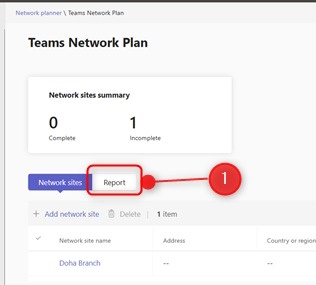
Third, companies launch low-risk pilot programs. Instead of deploying AI across the entire backbone, they apply it to a single branch office or a non-critical VLAN. This allows the team to verify the AI’s decision-making process in a contained environment.
Finally, they implement a “human-in-the-loop” (HITL) workflow. In this model, the AI agent proposes a solution, and a certified engineer clicks “approve.” This builds trust and ensures that accountability remains with a human professional.
What happens next as AI agents evolve?
The trajectory of network management is moving from reactive monitoring to predictive observability. While traditional tools tell you a link is down, future AI agents will predict a link failure based on subtle increases in CRC errors and temperature fluctuations, rerouting traffic before the outage occurs.
We’re seeing a shift toward “intent-based networking” (IBN). Instead of configuring individual ports, managers will tell the AI, “Ensure the accounting department has priority bandwidth for the next two hours.” The AI agent then translates that intent into technical configurations across the entire fabric.
This evolution changes the role of the network engineer. The job moves from CLI (Command Line Interface) mastery to “AI Orchestration.” Engineers will spend less time typing commands and more time auditing the logic and policy frameworks that govern the AI.
For more on how this integrates with broader IT strategies, see our guide on AI Infrastructure Strategy or visit the Gartner research portal for the latest on AIOps trends.
Comparing Manual Ops vs. AI-Agent Ops
| Feature | Manual Operations | AI-Agent Operations |
|---|---|---|
| Response Time | Minutes to Hours | Milliseconds to Seconds |
| Data Handling | Sample-based analysis | Full-stream telemetry |
| Error Risk | Human typos/fatigue | Algorithmic hallucinations |
Frequently Asked Questions
Will AI agents replace network engineers?
No. AI agents handle the repetitive telemetry analysis and basic remediation. Engineers are still needed for high-level architecture, complex troubleshooting, and strategic planning.
What is the biggest risk of using AI in networking?
The “feedback loop” error. If an AI makes a wrong configuration change and then uses the resulting bad data to justify further changes, it can cause a cascading network failure. This is why human-in-the-loop guardrails are essential.
How long does it take to implement AI agents?
While some tools deploy quickly, the preparation phase—cleaning data and defining boundaries—typically takes three to six months depending on the network’s complexity.
Ready to modernize your network?
Share your experience with AIOps in the comments below or subscribe to our newsletter for weekly deep dives into autonomous infrastructure.