
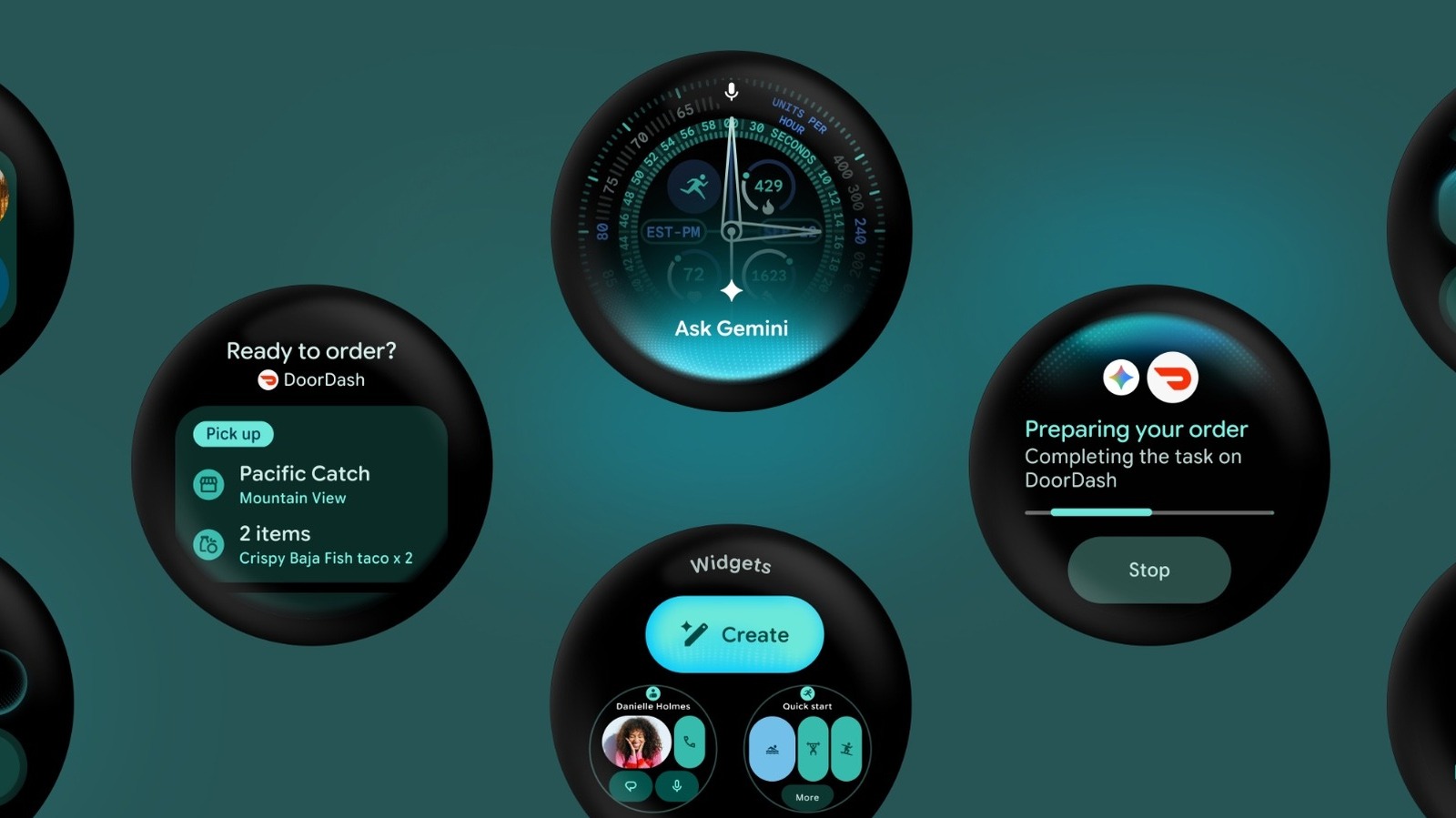
4 Things Google’s Wear OS 7 Does Better Than Apple’s watchOS 26
The Shift Toward “Intelligence Systems”: Why Your Watch Matters More Than Ever
For years, the smartwatch has been viewed as a peripheral—a glorified notification mirror for your smartphone. But with the unveiling of Wear OS 7 and its deep integration with Gemini, the industry is hitting a major inflection point. We are moving away from “connected accessories” and toward true “intelligence systems” that live on your wrist.
While Apple’s watchOS remains a polished contender, the gap between what a watch can do and what it should do is widening. The real battleground for the next five years isn’t just screen resolution or battery life. it’s about how much of your digital life can be offloaded to your wrist through on-device AI.
The Rise of Agentic AI: Beyond Simple Voice Commands
We’ve all used “Hey Siri” to set a timer or check the weather. That’s basic utility. The future, as seen in the latest Wear OS developments, is agentic AI. This means your watch doesn’t just listen; it acts on your behalf across different apps.
Imagine your watch analysing your calendar, your location and your email to suggest a route, order your preferred coffee, and notify your colleagues of a delay—all without you pulling out your phone. By opening up the AppFunctions API, Google is inviting developers to build these complex bridges, effectively turning the watch into a proactive personal assistant rather than a reactive screen.
Why Apple’s “Phone-First” Approach Might Be a Bottleneck
Apple Intelligence is undeniably powerful, but its reliance on the iPhone creates a friction point. If the Watch remains a “dumb terminal” for the iPhone’s AI, it misses the point of the wearable form factor. If you have to reach into your pocket to unlock the full power of your AI, why wear the watch at all?
Empowering Developers: The Fitness Ecosystem Battle
One of the biggest pain points for power users is the “walled garden” effect. When a platform restricts access to heart-rate sensors or workout data, it forces users to stick to the manufacturer’s stock apps. Google’s new Wear Workout Tracker tools are a direct jab at this limitation.
By providing developers with native-level hooks for heart rate and media control, Google is betting that the best apps will come from the community, not just the OS provider. This could trigger a wave of innovation, as developers who previously felt limited by proprietary restrictions move their best fitness features to platforms that offer more freedom.
Media Control: Solving the “Tap-Happy” UX Nightmare
Controlling media across multiple devices—headphones, speakers, TVs, and phones—is currently a fragmented mess. Wear OS 7’s focus on a “Remote Output Switcher” is a fundamental UX fix. The goal is simple: if you are listening to music, the controls should feel like a natural extension of your intent, not a series of menu dives.
- Seamless Handoff: Switching audio from earbuds to a smart speaker should be a single tap.
- Contextual Awareness: Your watch should know what you are playing before you even look at the screen.
- Unified Control: Whether it’s YouTube Music or a third-party podcast app, the interface should remain consistent.
Frequently Asked Questions (FAQ)
- Will AI on my watch drain my battery?
- While AI processing is intensive, modern on-device models are designed to run efficiently. Most heavy lifting will eventually shift to edge computing to preserve battery life.
- Is Wear OS 7 compatible with all Android phones?
- Wear OS 7 is designed for the latest generation of smartwatches. Always check your device manufacturer’s compatibility list for the rollout schedule.
- Should I wait for these AI features before buying a new watch?
- If you value productivity and “agentic” capabilities, it is worth waiting for devices that explicitly support the new Gemini-integrated Wear OS features.
What do you think? Is the future of the smartwatch truly independent, or will it always be an extension of our smartphones? Join the conversation in the comments below, or subscribe to our weekly tech briefing for more deep dives into the future of wearables.