
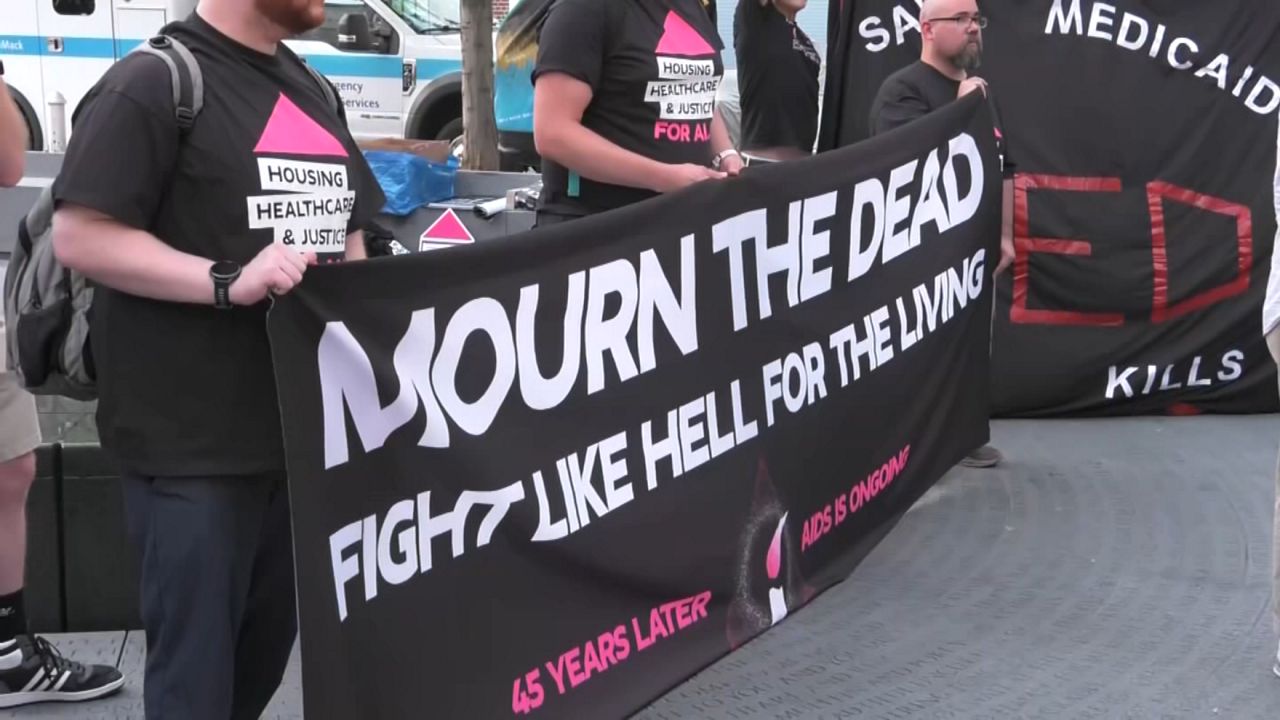
45 years after first report, HIV cases rising again in NYC
New York City recorded nearly 1,800 new HIV diagnoses in 2024, marking the second consecutive year of increases, according to data cited by health advocates. Approximately 85% of these new cases occurred among Black and Latino people, with nearly three-quarters of those diagnosed facing social barriers such as lack of health insurance or housing instability.
Why are HIV diagnoses increasing in New York City?
Health advocates attribute the rise in new infections to a lack of public discourse and a perceived sense of invincibility among youth. Tristan Schukraft, founder of the telemedicine platform MISTR, said young people today were not affected by the epidemic and did not lose loved ones to the disease.

Javier Munoz, who lives with HIV, stated that people are not talking about the virus enough. This lack of awareness persists despite the availability of medical tools. Jason Rosenberg of the Callen Lorde Community Health Center said the tools exist, but they are useless if they “sit on the shelf.”
How is the city increasing access to HIV prevention?
Clinics and private platforms are utilizing PrEP, a once-daily medication that prevents HIV entirely. The Callen Lorde Community Health Center handles 8.3% of all PrEP users in New York state and is distributing 500 free prevention kits during Pride Month, including HIV tests and PrEP.

MISTR now represents one in five PrEP prescriptions nationwide, including more than 35,000 in New York state. Schukraft said MISTR uses a model where 70% of its insured patient population enables the platform to provide services for free to the remaining 30%.
What happens if federal HIV funding is cut?
Proposed budget cuts for the coming year could threaten nearly half of New Yorkers living with HIV who rely on Medicaid. While Congress rejected more than $1.6 billion in proposed cuts this year, next year’s budget suggests deeper reductions.
Researchers at Johns Hopkins warn that a total loss of federal budget funding could lead to a 73% surge in new infections within five years. Munoz said he is “terrified” that such cuts would result in a loss of access to life-saving treatment and medication.
The historical cost of government inaction
The current fight follows a history of federal silence. According to the source, the federal government said nothing for four years after the initial 1981 findings. This period of inaction preceded the deaths of more than 700,000 Americans, including over 100,000 in New York City.
Munoz recalled his first partner passing away in 1996 at St. Vincent’s Hospital. That same year, combination drug therapy arrived—a science that Munoz says could have saved his partner but instead saved his own life.
Frequently Asked Questions
Who is most impacted by new HIV diagnoses in New York City?
Approximately 85% of the nearly 1,800 new diagnoses in 2024 were among Black or Latino people.
What is PrEP and how is it accessed?
PrEP is a once-daily medication that prevents HIV entirely. It is available through clinics like Callen Lorde and telemedicine platforms like MISTR.
What is the potential impact of federal budget cuts on HIV rates?
Johns Hopkins researchers warn that if federal funding were lost, new infections could surge by 73% over a five-year period.
Do you believe current public health campaigns are doing enough to reach younger generations regarding HIV prevention?