
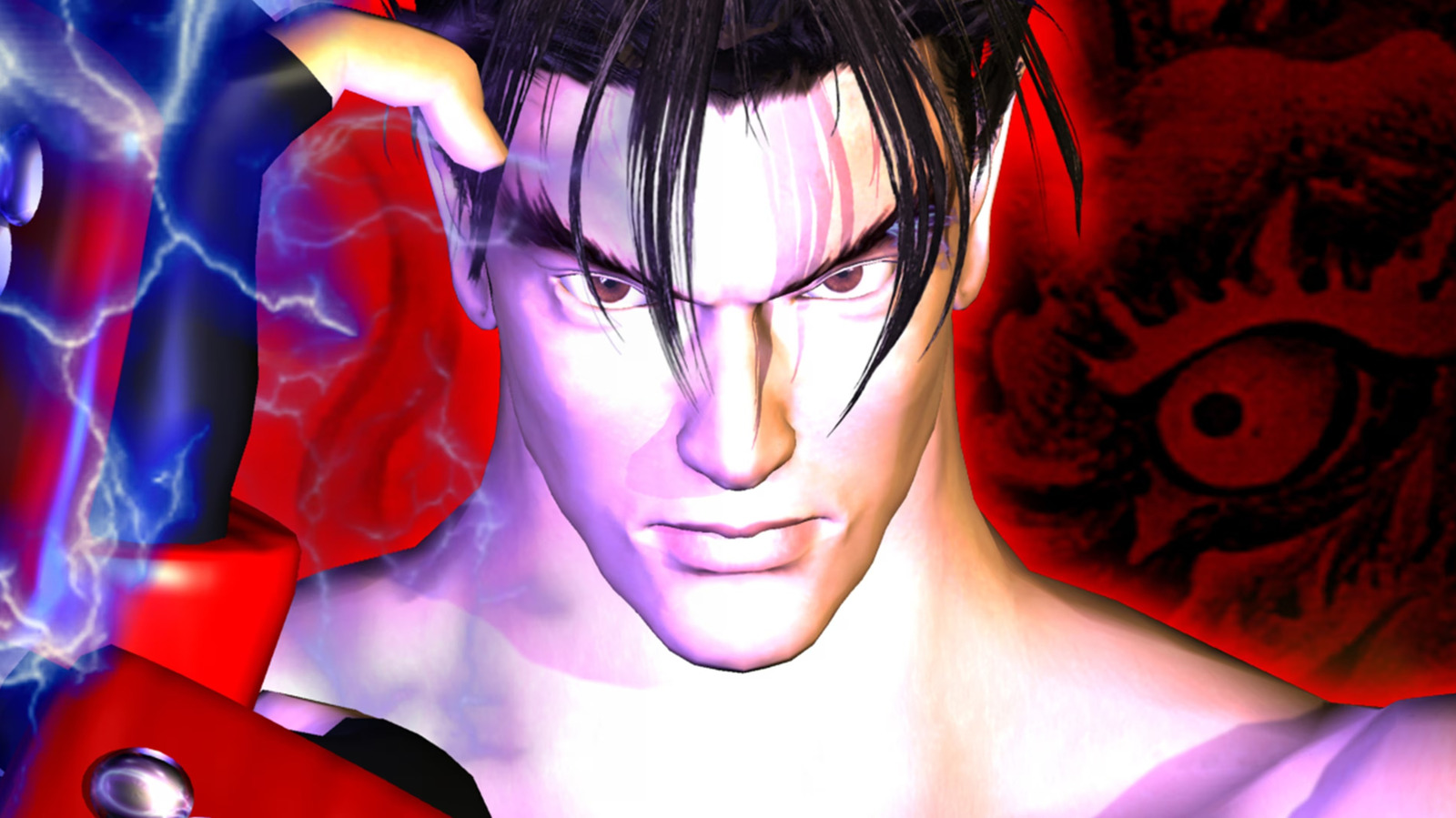
5 Best Arcade Fighting Games of All Time, Ranked
The future of fighting games centers on the integration of rollback netcode and hybrid accessibility models. According to industry trends seen in titles like Street Fighter 6, developers are blending the high-skill ceilings of 90s arcade classics with modern input systems to attract new players while retaining the competitive Fighting Game Community (FGC) core.
Why is rollback netcode becoming the industry standard?
Rollback netcode is replacing traditional delay-based systems to eliminate input lag in online matches. Unlike delay-based netcode, which pauses the game to wait for data from the opponent, rollback predicts the next move and corrects it instantly if the prediction was wrong. This creates a seamless experience that mimics the local feel of the original arcade cabinets.
Capcom implemented this technology in Street Fighter 6 to ensure global competitiveness. According to reports from the FGC, this shift is critical because fighting games rely on frame-perfect timing. A delay of even three frames can make a “parry” mechanic—like the one seen in Street Fighter III: Third Strike—impossible to execute online.
How are modern fighting games balancing accessibility and skill?
Developers are moving away from the punishing complexity of 90s titles toward “hybrid” control schemes. Garou: Mark of the Wolves paved the way by streamlining mechanics to be more accessible to newcomers while keeping depth for experts. Modern titles now offer “Modern” or “Simple” controls that allow players to perform special moves with one button.
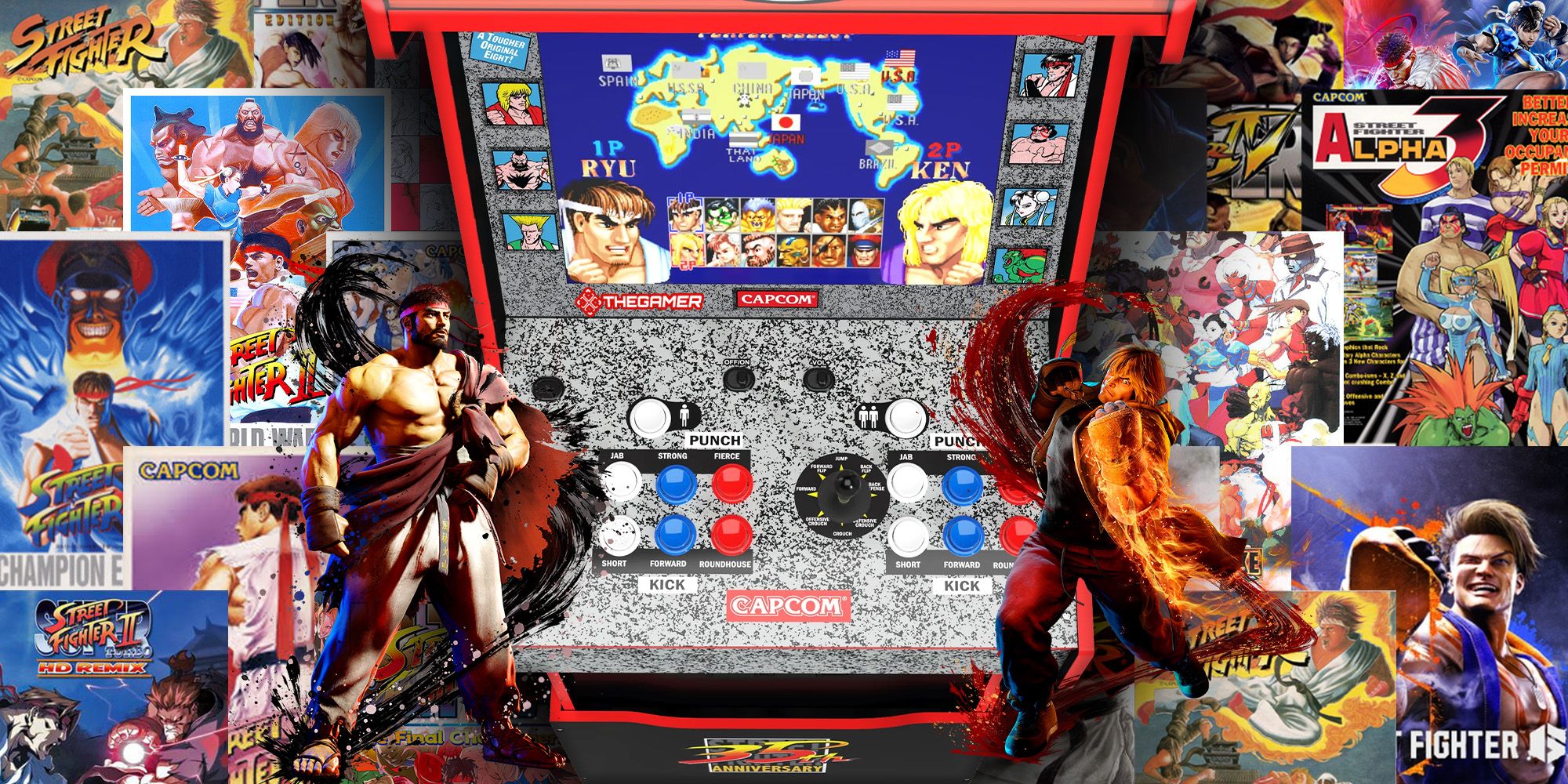
This approach contrasts with the philosophy of Street Fighter III: Third Strike, where mastery required grueling practice. By offering multiple control layers, developers can expand their player base without alienating the “purists” who prefer traditional six-button layouts. This strategy aims to solve the “barrier to entry” problem that plagued the genre for decades.
What happens to the crossover fighting game model?
The massive rosters seen in Marvel vs. Capcom 2—which featured 56 characters—have evolved into the “Live Service” model. Instead of releasing a standalone crossover every few years, companies are increasingly using seasonal updates to add characters from different IPs. This keeps the game relevant and generates steady revenue through battle passes.
However, the legal complexity of crossover rights remains a hurdle. According to licensing trends, the “New Age of Heroes” style of massive crossovers is rarer now because coordinating rights between entities like Disney (Marvel) and Capcom is more costly than it was in 2000. We are seeing a shift toward tighter, more curated rosters that focus on balance over sheer quantity.
Will the “Arcade Feel” survive in a digital-first world?
The physical arcade is mostly gone, but the “arcade feel” is being preserved through specialized hardware and “Arcade Bars.” These venues use original cabinets or high-end replicas to maintain the social aspect of the 90s scene. In the software realm, “Arcade Mode” remains a staple in games like Tekken 8, simulating the progression of fighting through a series of opponents to reach a final boss.
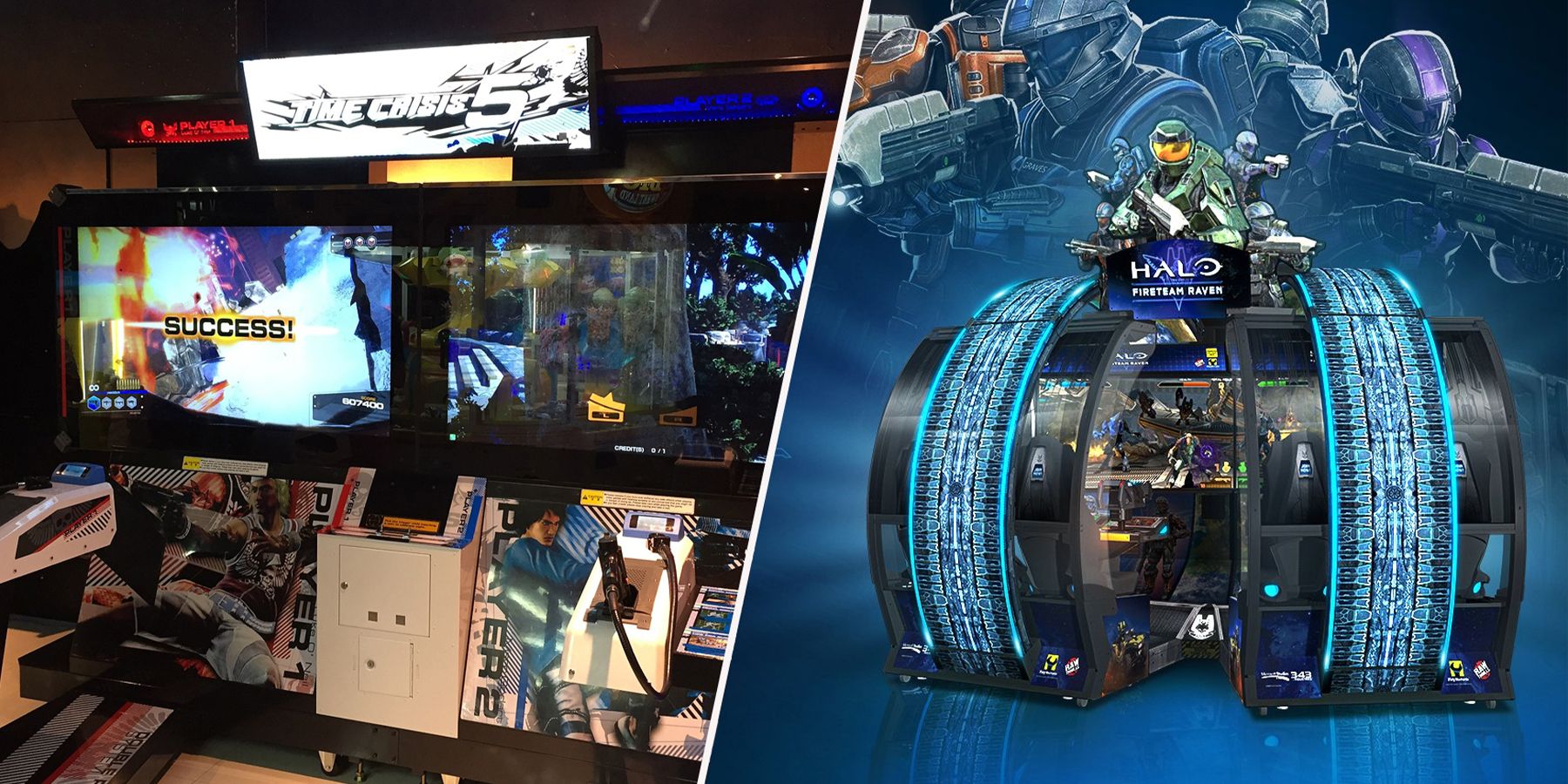
The trend is moving toward “Digital Preservation.” Companies are releasing “Arcade Archives” that allow players to experience Tekken 3 or Ultimate Mortal Kombat 3 exactly as they appeared on the original hardware, including the original scanlines and sound chips. This satisfies a nostalgia market while ensuring the history of the genre isn’t lost to bit rot.
| Feature | Classic Arcade Era | Modern Era |
|---|---|---|
| Connectivity | Local/Physical | Global Rollback Netcode |
| Inputs | High Execution/Strict | Hybrid/Simplified Options |
| Monetization | Quarter-per-play | DLC/Season Passes |
Frequently Asked Questions
What is the difference between delay-based and rollback netcode?
Delay-based netcode slows down the game to sync players. Rollback predicts inputs and corrects them instantly, resulting in a smoother, lag-free experience.
Are arcade fighting games still played today?
Yes, primarily in arcade bars and through competitive tournaments like EVO, where original hardware or precise emulations are often used.
Why are modern fighting games easier to play?
Developers have introduced simplified control schemes to lower the entry barrier, allowing players to execute complex moves without memorizing difficult directional inputs.
Which classic arcade fighter do you think had the best mechanics?