
5 Best Car Wash Accessories on Amazon for a Professional Clean
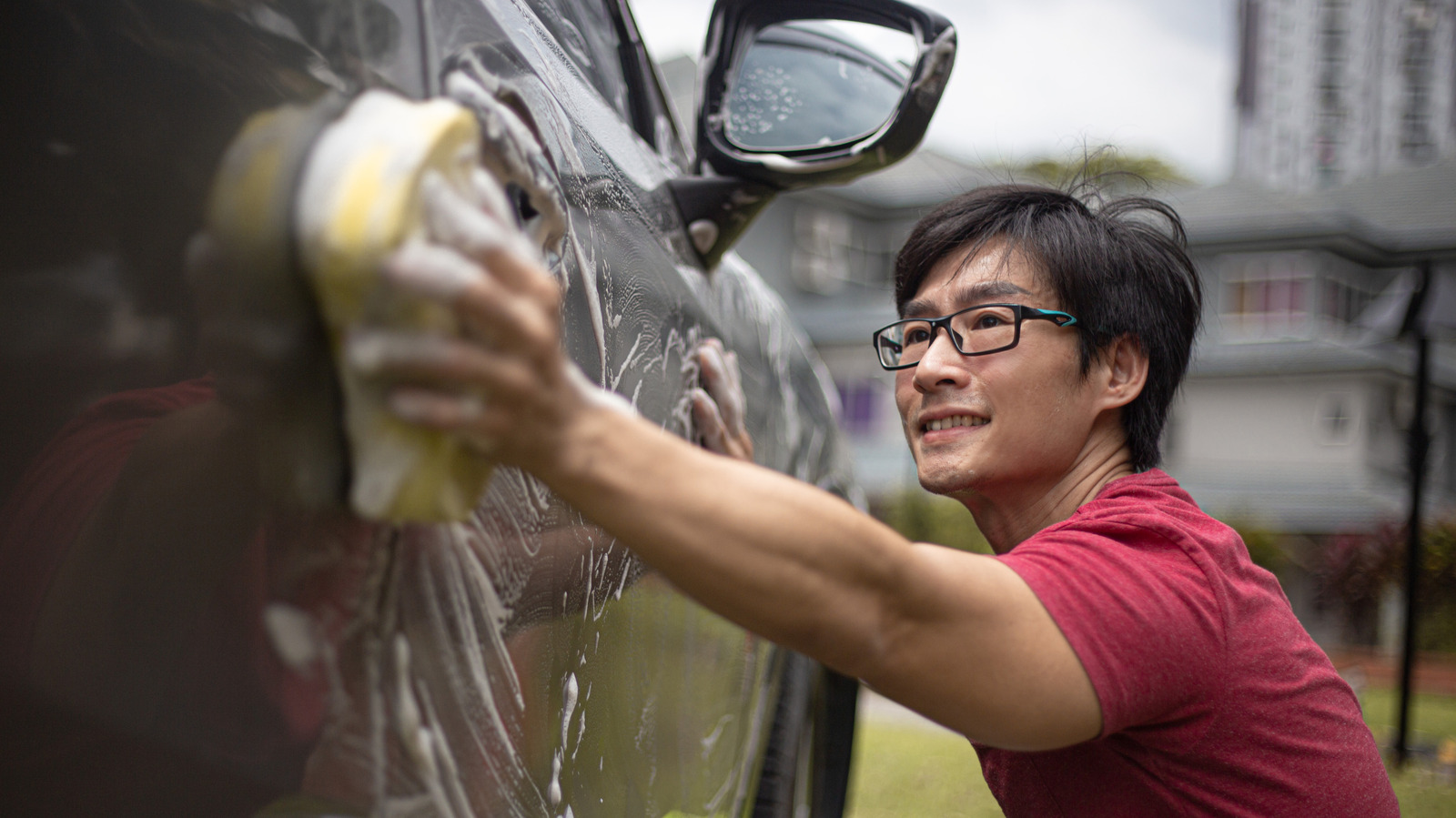
Hand washing cars is gaining traction over automatic washes because it reduces paint damage and water waste. According to industry data, automatic washes cost between $10 and $30 per session, whereas hand washing utilizes specialized tools like microfiber mitts and biodegradable soaps to protect vehicle finishes and lower environmental impact.
Why are drivers moving away from automatic car washes?
Cost and paint preservation drive the shift toward home detailing. Automatic washes often use harsh cleaning materials and fail to target specific grime buildup, according to detailing guidelines. These services typically cost between $10 and $30 depending on the region and selected options.
Hand washing uses significantly less water than commercial automatic systems, making it a more sustainable choice. By controlling the process, owners avoid the “swirl marks” often caused by the abrasive brushes found in many automatic tunnels.
How does microfiber technology prevent paint scratches?
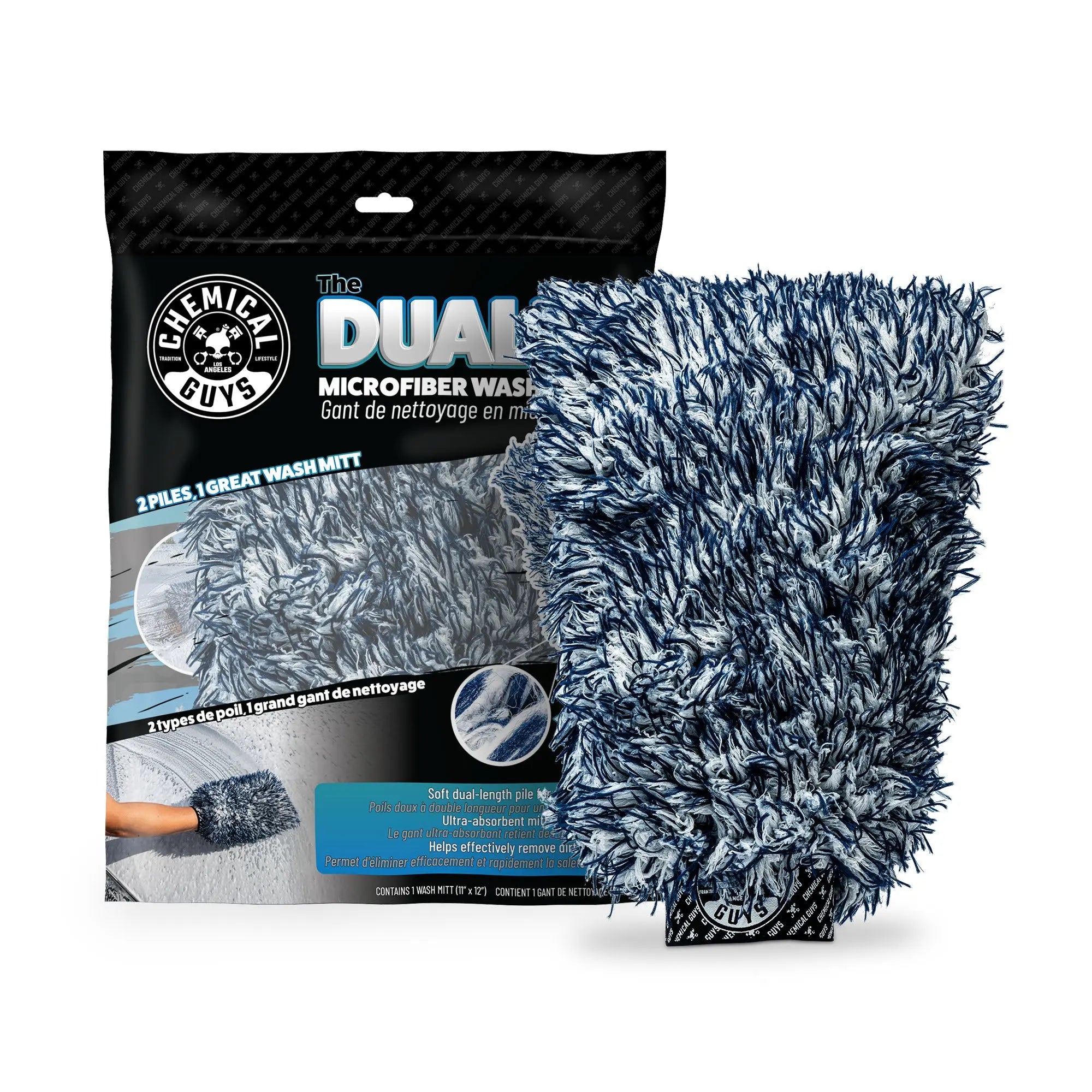
Microfiber and chenille materials prevent the micro-scratches caused by traditional sponges. Chemical Guys, a leading automotive care brand, produces chenille microfiber mitts designed to lift and trap dirt away from the paint surface rather than scrubbing it across the clear coat.
Traditional sponges often push grit into the paint, leading to permanent swirl marks. Microfiber’s structure allows it to absorb more suds and hold contaminants within the fibers. This transition toward “touchless” or “low-friction” cleaning is a primary trend in professional detailing to preserve the vehicle’s resale value.
Pro Tip: Always use two buckets—one for your soap solution and one for rinsing your mitt. This ensures you aren’t putting dirty water back onto your car.
What is the impact of biodegradable soaps on vehicle care?
Biodegradable soaps allow for a deep clean without damaging the environment or the car’s existing wax layer. Meguiar’s Gold Class Car Wash, for example, uses a biodegradable formula that combines cleaning and conditioning in one step.
These formulas are designed to be gentle enough to preserve wax protection while remaining effective on faded paint. Because they break down naturally, they are safer for use in driveways where runoff enters storm drains.
| Method | Avg. Cost | Paint Risk | Water Usage |
|---|---|---|---|
| Automatic Wash | $10–$30 | High (Brushes) | High |
| Hand Wash | Low (Supplies) | Low (Microfiber) | Low to Medium |
Will foam cannons replace traditional bucket washing?
Foam cannons are becoming the standard for minimizing friction during the wash process. Tools like the Tool Daily Foam Cannon mix soap, water, and air to create a thick foam that encapsulates dirt before a mitt ever touches the paint.
These devices typically require a pressure washer and can operate up to 3,000 pounds per square inch. By distributing a thick layer of suds, the cannon allows gravity and chemistry to do the heavy lifting, reducing the physical scrubbing required and further lowering the risk of scratches.
Why is the drying phase critical for a professional finish?
Improper drying leads to water spots and streaks that can etch into the clear coat. Experts recommend microfiber drying towels over cotton bath towels, which are abrasive and leave lint behind.
The Chemical Guys Miracle Dryer, measuring 36 by 25 inches, allows users to pat dry the vehicle rather than wipe. This “patting” technique avoids the friction that creates streaks. Using a high-pile side for liquid absorption and a short-pile side for final detailing ensures a lint-free finish.
Solving the “Interior Haze” Problem
Interior windshields often develop an oily film caused by off-gassing plastics and skin oils. Standard paper towels often smudge this film. Specialized telescoping tools with 180-degree rotating heads allow users to reach tight corners and remove the film using microfiber pads and rubbing alcohol or glass cleaner.
Q: Can I use dish soap to wash my car?
A: No. Dish soap is designed to strip grease from pans and will strip the protective wax and sealant off your car’s paint.
Q: How often should I hand wash my car?
A: Every two weeks is generally recommended to prevent grime and salt buildup from damaging the clear coat.
Q: Do I need a pressure washer for a foam cannon?
A: Yes, most foam cannons require a pressure washer. For those with only a garden hose, a “foam gun” is the appropriate alternative.
Share your routine: Do you prefer the speed of an automatic wash or the precision of hand detailing? Let us know in the comments below or subscribe to our newsletter for more vehicle maintenance guides.