
5 Best Dog Breeds for Anxiety Relief
According to the National Institute of Mental Health, approximately 19.1% of American adults experienced an anxiety disorder within the last year. Canine expert Evan Doggett suggests that while dogs aren’t a replacement for professional medical treatment, specific breeds can provide significant emotional support and stress reduction for those struggling with anxiety.
How do dogs impact anxiety levels?
Direct interaction with dogs can lead to a measurable improvement in mood. A 2019 study published in Animals magazine found that participants who interacted directly with a dog experienced a significantly greater reduction in anxiety compared to a control group.
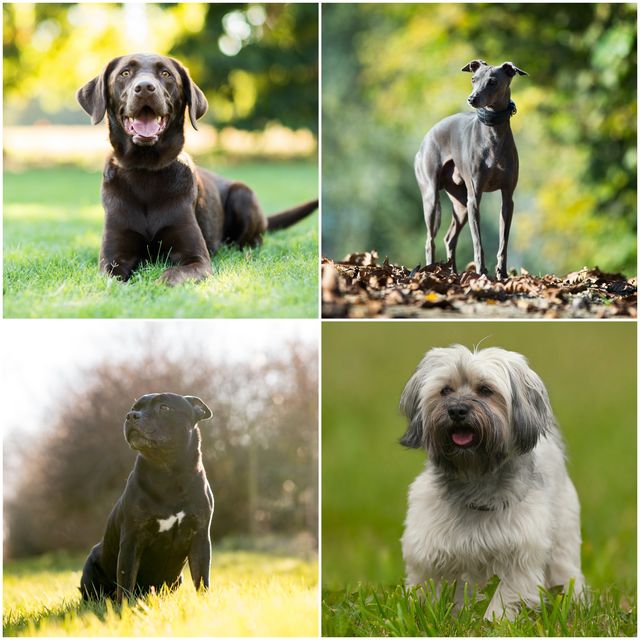
These animals provide a layer of emotional support that helps lower stress. They offer a consistent presence that can stabilize a person’s daily emotional state.
Which dog breeds are best for emotional support?
Evan Doggett identifies five breeds particularly suited for owners with anxiety disorders. Each offers different temperamental advantages.
The “Gentle Giants” and Retrievers
Newfoundlands are often called “gentle giants” due to their balanced temperament and strong attachment to owners. Doggett describes them as “giant little sunshine,” noting their natural gentleness makes them ideal therapy dogs.
Labrador Retrievers are highly popular in the U.S. and are staples in therapy programs. Their eagerness to please and enthusiasm help owners maintain a daily routine and stay active.
Golden Retrievers are similar to Labradors but are often viewed as more sensitive and gentle. Doggett describes them as “bigger, fluffier Labradors” who are frequently sought after for therapeutic work.
Specialized Support Breeds
Poodles are highly effective as healing or guide dogs. Once trained, Doggett notes they are deeply committed to ensuring their owners feel well.
Greyhounds, despite their racing history, are surprisingly calm at home. They often form intense bonds with one or two specific people, providing stability for anxious owners.
What are the considerations for choosing a support dog?
Ownership requires more than just selecting a breed. Doggett emphasizes that many of these supportive breeds require significant physical exertion to stay healthy and balanced.
The bond varies by breed. While some, like Labradors, thrive on general human interaction, Greyhounds tend to focus their emotional energy on a very small number of people.
What may happen next for canine-assisted support?
Given the success of therapy dogs, we may see an increase in the integration of specific breeds into structured mental health routines. The use of dogs for specialized tasks is already expanding; for instance, dogs have been trained to sniff out cancer, as seen in meetings with Queen Camilla.
:max_bytes(150000):strip_icc()/labrador-retriever-yellow-sitting-275580695-2000-9faa78e893f24bf5882d88efa90fc4d9.jpg "What may happen next for canine-assisted support?")
Future trends could involve a higher demand for Poodles and Golden Retrievers in professional healing environments. Owners may also seek more tailored breeding programs that prioritize the “gentle” traits identified by experts like Doggett.
Frequently Asked Questions
Can a dog replace professional treatment for anxiety?
No. According to the provided text, dogs are not a substitute for professional medical treatment.
Which breeds are specifically mentioned as being used in therapy?
Newfoundlands, Labrador Retrievers, Golden Retrievers, and Poodles are all noted for their frequent use in therapeutic or healing work.
Do all emotional support dogs have a calm nature?
Not necessarily. While some are naturally calm, like Newfoundlands, others like Labradors are known for their enthusiasm and energy, and many of these breeds require regular physical exercise.
Do you believe a pet’s temperament is more important than their breed when seeking emotional support?