
5 Slow-Motion Exercises to Relieve Stiffness After 60
Slow, controlled movements can improve mobility for adults over 60 by training the nervous system to recognize joint positions. According to a fitness trainer, this approach increases proprioception and allows the brain to feel safe in ranges of motion that traditional stretching may not permanently restore.
Flexibility depends on more than muscle length. A fitness trainer reports that the nervous system determines how much movement a body allows based on whether the brain perceives a position as safe.
If the brain does not trust a specific position, it often limits access to that range of motion. This is why some individuals who stretch daily still feel stiff or restricted.
Why does stretching sometimes fail to produce lasting results?
Stretching may temporarily lengthen tissue, but the body often returns to previous movement patterns if the nervous system remains uncomfortable. The brain constantly gathers data from connective tissues, muscles, and joints to assess safety.
As people age, particularly after 60, they naturally lose movement variability. This happens as individuals avoid uncomfortable positions and repeat the same patterns, leading the brain to become more protective of certain ranges of motion.
How does slow movement improve mobility?
Slow movement provides the nervous system more time to gather information. The cerebellum processes a constant stream of feedback from the fascia, muscles, and joints to refine movement.
This process improves proprioception, which is the body’s awareness of its position in space. The trainer compares this to switching from a blurry photograph to a high-definition image, giving the brain a clearer picture of the body.
What are the recommended slow-motion exercises?
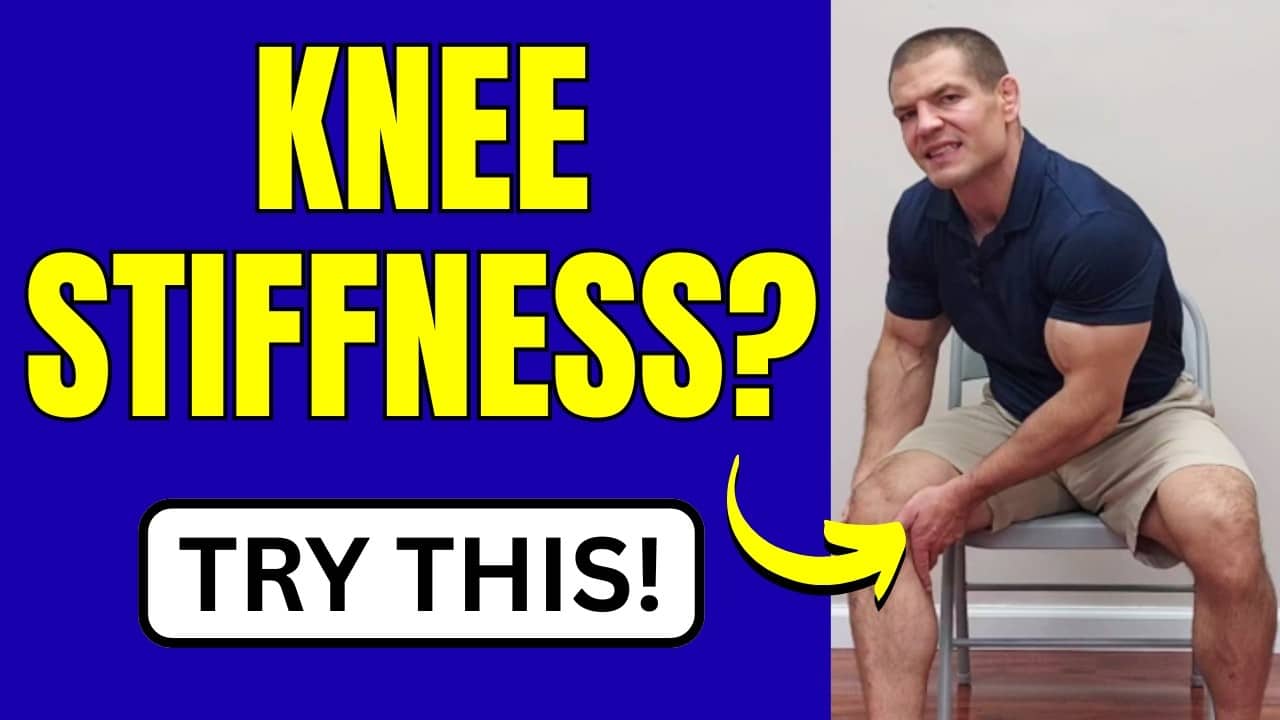
Slow Motion Squat
This exercise targets the quads, glutes, hamstrings, calves, and core. It trains the brain to recognize the movement of the ankles, knees, and hips.
- Set feet roughly under hips, slightly turned out or wider if needed.
- Tuck the pelvis under and lift the chest.
- Push knees forward slowly until they can go no further.
- Sit down slowly until thighs are roughly parallel to the floor, keeping the chin tucked and chest up.
- Return to the start position slowly.
The trainer recommends 60 to 90 seconds per set, focusing on maximum slowness. This typically results in three to four repetitions.
Slow Motion Pushup
This move targets the chest, shoulders, triceps, and core. The goal is to maintain a still posture while movement occurs only at the wrists, elbows, and shoulders.
- Place hands shoulder-width apart with hands directly under shoulders.
- Tuck the chin and maintain a neutral pelvis.
- Descend on a 10-count, then return up on a 10-count.
- Beginners may perform this exercise from the knees.
Practitioners should aim for 60 to 90 seconds, which may allow for six to seven repetitions.
Slow Motion Roll Up and Roll Down
This exercise focuses on the core, hip flexors, and spinal erectors. It teaches the body to move the spine one vertebra at a time.
- Start with hands on shins and lean back 10 to 15 degrees.
- Roll down slowly, touching each vertebra starting with the sacrum, then lumbar, then thoracic.
- Curl back up slowly through each vertebra.
- Extend the spine fully upon reaching the starting position.
The trainer suggests one to two sets of 60 to 90 seconds.
Slow Motion Windmill
The windmill targets the obliques, hamstrings, shoulders, and side body fascia. It incorporates rotation and reach.

- Step wide with feet straight and knees relatively straight (engaged quads).
- Raise the left hand and look toward it.
- Twist the body as slowly as possible, then lower toward the ground.
- If range allows, push the palm into the floor, hold briefly, then transition back up.
- Repeat on the other side.
Recommended sets are one to two per side for 60 to 90 seconds.
What may happen with consistent practice?
Consistent application of these movements could lead to improved movement quality and overall function. Because the brain receives a clearer picture of the joints in motion, movement may become smoother and more efficient.
Practitioners might find that they develop more strength through a full range of motion compared to faster exercises. This could potentially restore confidence in exploring ranges of motion that have been neglected for years.
Frequently Asked Questions
Why is slowing down more effective than aggressive stretching for some people?
Aggressive stretching may temporarily lengthen tissue, but if the nervous system does not feel safe in that position, it may return to previous patterns. Slow movement gives the cerebellum time to process information and refine the movement.
Which part of the brain is primarily involved in coordinating these slow movements?
The cerebellum is specifically mentioned as the area involved in processing information from the joints, muscles, and fascia to refine movement.
How often should these exercises be performed for the best results?
The trainer states that these exercises can have a powerful effect on flexibility and function when practiced consistently.
Do you prefer traditional stretching or controlled, slow-motion movements for your daily routine?