

$50 GLP-1 Drugs Are Coming for Medicare Recipients
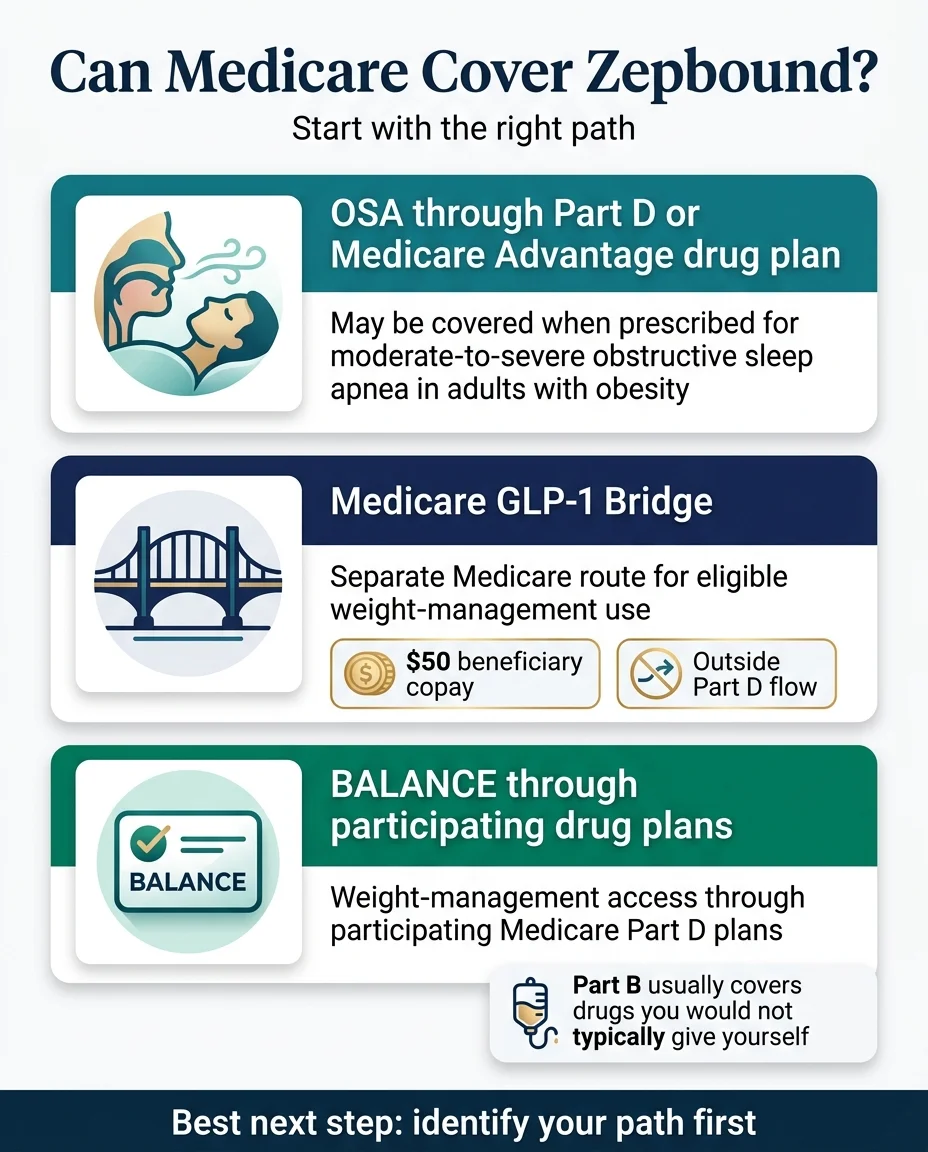
The Department of Health and Human Services (HHS) launched the Medicare GLP-1 Bridge pilot program, allowing eligible Medicare Part D recipients to obtain certain weight-loss medications for $50 per month. Starting July 1 and running through December 31, 2027, the program covers Wegovy, Foundayo, and Zepbound KwikPens for an estimated 14 million people.
How does the Medicare GLP-1 Bridge program work?
Eligible participants enrolled in Medicare Part D plans can purchase Wegovy, Foundayo, and Zepbound KwikPens for a guaranteed price of $50 per month. This pilot program lifts a previous federal restriction where Medicare did not cover medications prescribed for weight loss.
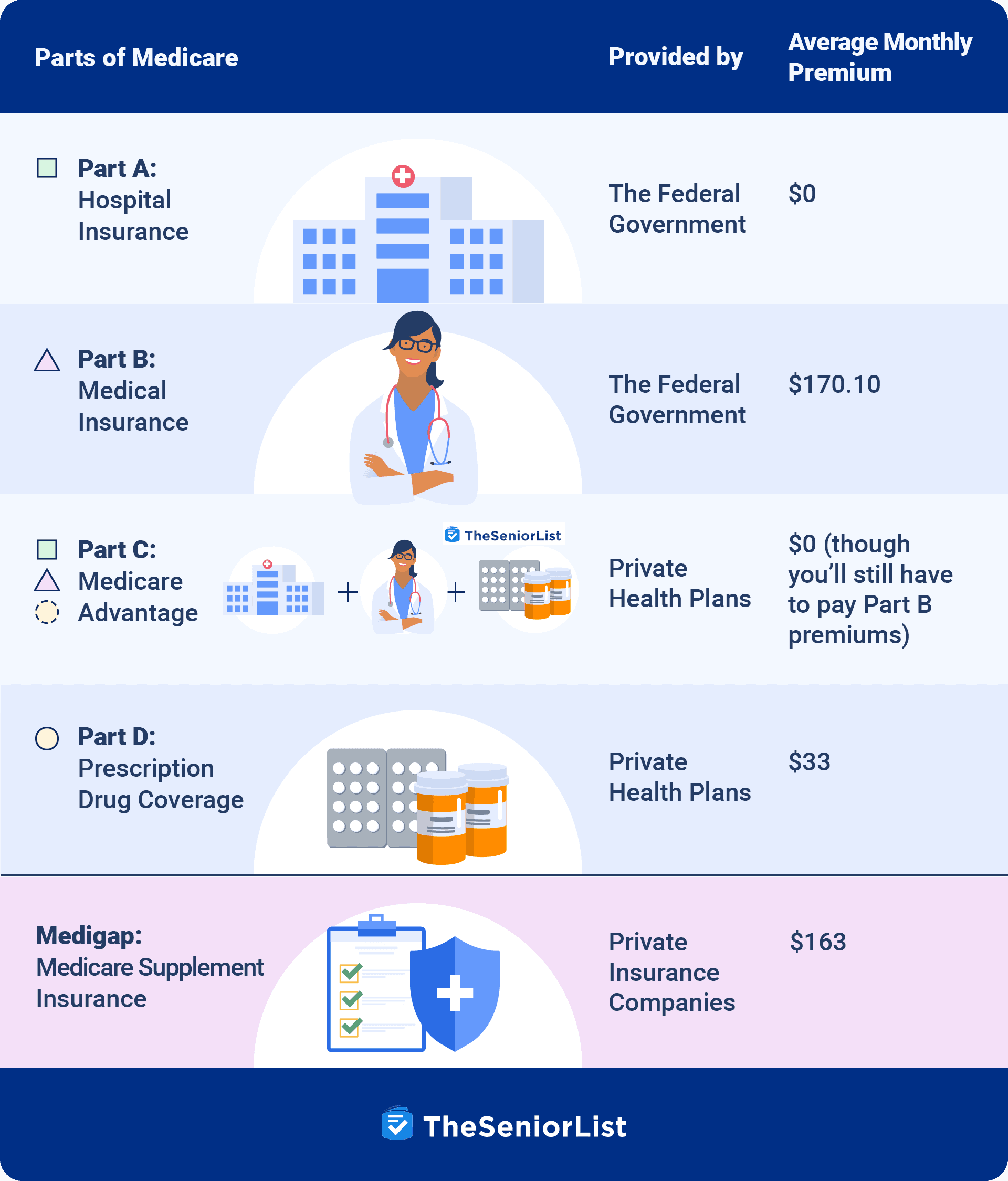
The $50 copayments do not count toward the annual Part D deductible, which can reach $615 in 2026. These payments also do not apply toward the 2026 yearly Part D out-of-pocket spending cap of $2,100.
According to the HHS, these costs are significantly lower than standard market rates. The cost of GLP-1 medications typically ranges from $149 per month via certain self-pay options to $1,349 per month.
Who is eligible for the $50 monthly cost?
To qualify for the program, a person must be at least 18 years old and be treated with GLP-1 medication for weight loss and weight management. The program does not cover Zepbound single-use pens and vials.
Mehmet Oz, MD, administrator of the Centers for Medicare and Medicaid Services, stated that the program makes these treatments more affordable and accessible for seniors who were previously unable to afford them. The program follows the launch of a Trump Rx program designed to lower costs for GLP-1s and other expensive drugs.
Recipients who are already covered for other uses of GLP-1 medications are not eligible for this specific bridge pilot program.
Why are medical experts concerned about the program’s limits?
Medical professionals warn that the program’s limited duration could create health risks. Kanwar Kelley, MD, CEO of Side Health, noted that because the program ends Dec. 31, 2027, patients may face increased costs or be forced to stop medication abruptly, which could lead to weight regain.
Meredith Freed, a senior policy manager with KFF’s Program on Medicare Policy, said the exclusion of copays from deductibles and spending caps could pose issues. Freed added that patients gaining access in 2026 or 2027 might lose that access in 2028.
Mir Ali, MD, medical director of MemorialCare Surgical Weight Loss Center, characterized the bridge program as a temporary solution. Ali stated that a long-term solution may not be available for several years and requires the participation of insurance companies to be feasible.
What happens next for Medicare patients?
The federal government will subsidize the medications covered under this plan. Kevin Schulman, MD, a professor of medicine at Stanford University, stated that Medicare officials will need to determine if the expenditure is worth the cost.
Schulman indicated the program could serve as a real-life experiment to assess how improved access to GLP-1s affects overall healthcare spending. Patients using these drugs may also need to implement lifestyle changes, as Dr. Kelley noted that nutrient-dense food, physical activity, strength training, and sleep remain critical to maintaining weight loss.
Frequently Asked Questions
Which specific medications are covered under the $50 copay?
The program covers Wegovy, Foundayo, and Zepbound KwikPens. Zepbound single-use pens and vials are not covered.
Do the $50 payments count toward the Medicare Part D deductible?
No. These copays do not count toward the annual Part D deductible or the yearly out-of-pocket spending cap.
What are the potential side effects of GLP-1 medications?
According to the provided data, side effects can include nausea, dizziness, headache, fatigue, diarrhea, constipation, and bloating.
Do you believe temporary subsidies are an effective way to introduce new medical treatments to seniors?