

50 years of punk: the LA misfits who changed American music and culture
The Skirball Cultural Center in Los Angeles is showcasing “Outsiders, Outcasts, Rebels and Weirdos: Punk Culture 1976–86,” a exhibit commemorating the 50th anniversary of punk rock’s emergence in the United States, according to Cate Thurston, the chief curator. The display highlights how Los Angeles’ punk scene, rooted in defiance of mainstream culture, shaped a generation of artists and activists.
What defined L.A.’s punk scene in the 1970s?
Los Angeles’ punk movement gained momentum in the mid-1970s as traditional venues prioritized soft rock, leaving underground bands to perform in unconventional spaces like the Ukrainian Cultural Center and roller rinks. Thurston noted that “there wasn’t the traditional club infrastructure for it,” forcing artists to create their own platforms.
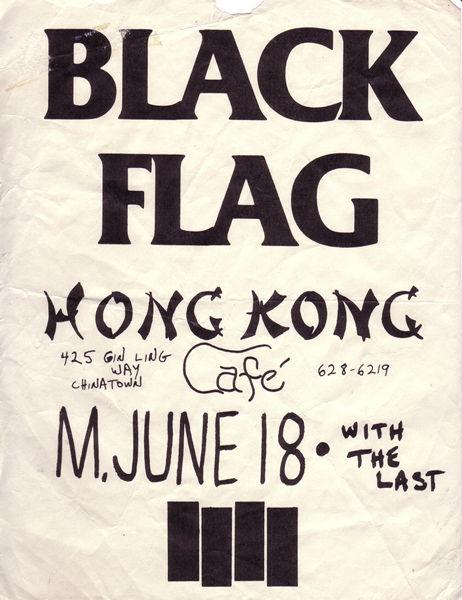
Two Chinese restaurants in Chinatown, Hong Kong Cafe and Madame Wong’s, became pivotal to the local scene. Amy, a caller on LAist’s AirTalk, stated her brother founded Hong Kong Cafe, which hosted bands like Black Flag and X. Both venues closed in the 1980s and 1990s, respectively, but their influence endured as “institutions that paved the way for all sorts of punk bands,” Thurston said.
Why did punk emerge in the 1970s?
Punk rock arose amid economic turmoil, including high gas prices and inflation, which fueled a backlash against corporate-dominated music. Thurston linked the genre’s rise to this context, calling it “a form of resistance” to overproduced mainstream culture. A UCLA student from the era recalled observing “pierced flesh, big paperclips” and realizing their band “was on the way out” during a transformative summer.
What does the exhibit include?
The exhibit features artifacts such as bondage pants, leather jackets, and a 1977 Vivienne Westwood anarchy shirt, alongside photographs of performances by bands like the Circle Jerks. Thurston emphasized the movement’s visual impact, stating it was “visually different than anything out there at that moment.”
What happens next?
The Skirball exhibit, which runs through September, could inspire renewed academic and public interest in punk’s historical impact. Local historians may explore its influence on later music scenes, while cultural institutions might consider similar retrospectives. However, no official plans for additional exhibits have been announced.
What is the title of the Skirball exhibit? “Outsiders, Outcasts, Rebels and Weirdos: Punk Culture 1976–86.”
When does the exhibit run? Through September, though specific end dates are not mentioned in the source.
Which bands were featured in L.A. punk venues? Black Flag, X, The Ramones, the Germs, and art bands like Nervous Gender and The Bags.
How might today’s music scenes draw from the punk movement’s legacy of grassroots creativity?