
6 Abandoned F1 Tracks You Can Still (Kind Of) Explore
Several former Formula 1 circuits remain accessible to the public as public roads, ruins, or municipal infrastructure. These sites include the restored pit buildings of Reims-Gueux in France, the A115 Autobahn in Berlin which encompasses the former AVUS track, and the deteriorating waterfront sections of the Valencia Street Circuit in Spain.
Where can you find abandoned Formula 1 tracks?
Former racing venues are currently located across Europe, often integrated into local traffic or preserved as historical markers. According to the source, these sites range from rural roads in France to urban highways in Germany.
Circuit de Reims-Gueux, France
Located in the Champagne region, this circuit consists of a fast snake of tarmac. The old pit buildings and grandstands remain and have been restored with fresh paint.
Pescara Circuit, Italy
This circuit ran nearly 16 miles along Italy’s Adriatic coast. It featured a multi-mile straight shot and passed through villages and railway crossings during its 1957 World Championship event.
Rouen-les-Essarts, France
This Normandy track was used for the French Grand Prix in the 1950s and 1960s. While the cobbled Nouveau Monde hairpin has been paved over, some cobblestones still peak through the asphalt.
Circuit de Charade, France
Situated near Clermont-Ferrand in volcanic terrain, the original layout wrapped around extinct volcanoes. A shortened modern circuit still exists, while the original road course, including the Gravenoire portion, has returned to public-road duty.
AVUS, Germany
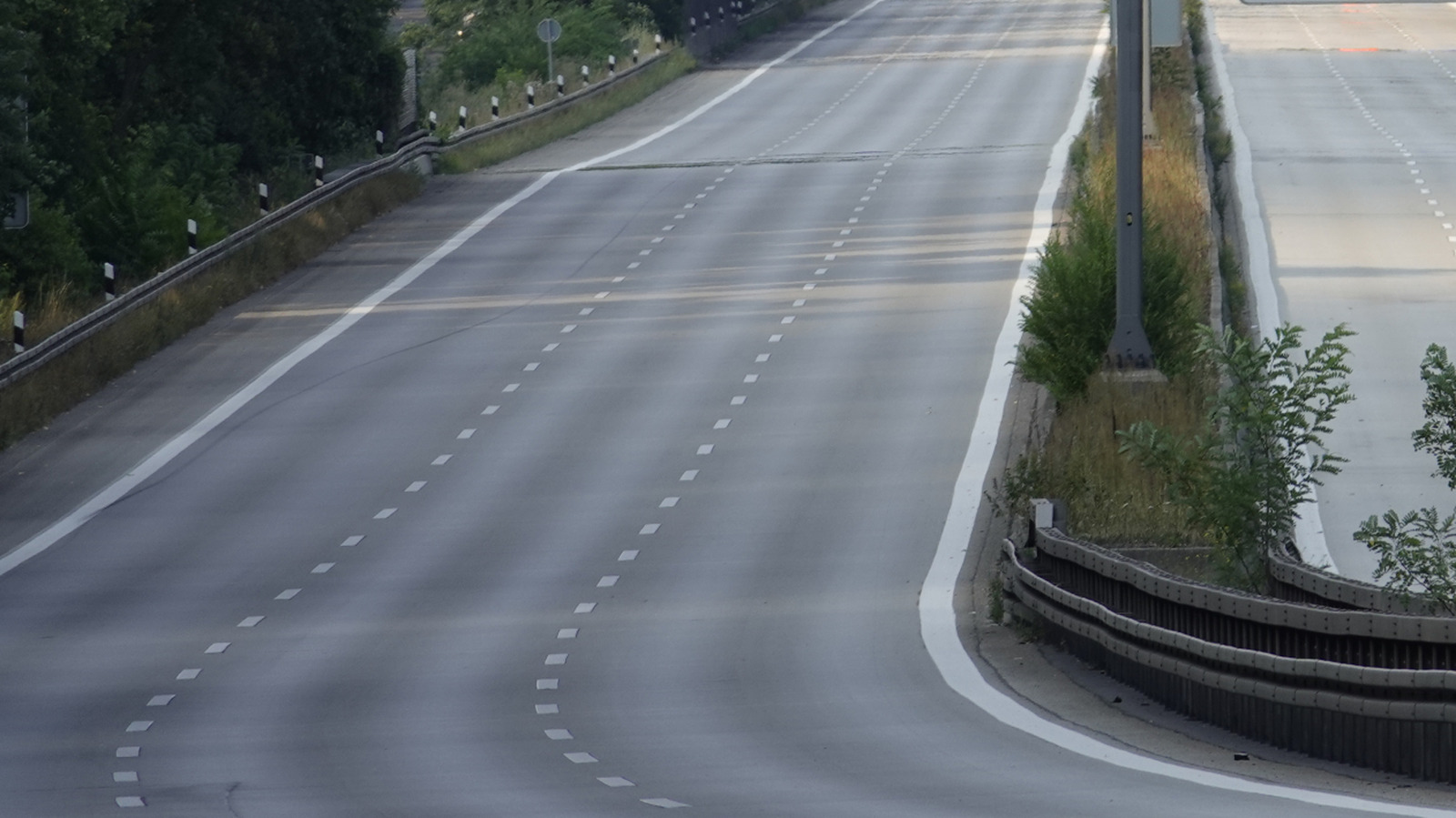
The Automobil Verkehrs und Übungs Straße in Berlin featured two long carriageways and a steep banked north curve. Much of the route is now part of the A115 Autobahn, though the old control tower and grandstand area remain.
Valencia Street Circuit, Spain
Built around the city’s harbor for the European Grand Prix, this venue hosted events from 2008 through 2012. Sections of the track are now fenced off and deteriorating.
Why did these circuits stop hosting F1 races?
Safety standards and automotive evolution rendered many early tracks obsolete. At Rouen-les-Essarts, advances in downforce made cars too fast for the track, leading F1 to discontinue its use in 1968.
The Pescara Circuit was deemed too dangerous by the early 1960s due to nascent safety consciousness. Similarly, the AVUS circuit was described as a simplistic loop with unpredictable, bumpy tar and undulations reaching nearly a foot high.
How do these venues differ in their current state?
The remaining sites fall into three distinct categories: restored ruins, integrated infrastructure, and civic decay. Reims-Gueux serves as a preserved historical site, while AVUS has been fully reabsorbed into Berlin’s commuter traffic.
Valencia represents a different outcome, described as a civic hangover. Unlike the rural French tracks, Valencia’s temporary sections were not removed, leaving empty buildings and vandalized surfaces near the harbor.
Future accessibility to these sites may depend on local government decisions. Some areas could remain as public roads, while others may continue to deteriorate or be further developed for municipal use.
Frequently Asked Questions
Which former F1 track is now part of a German highway?
The AVUS circuit in Berlin is now largely integrated into the A115 Autobahn.
Who won the 1959 German Grand Prix at AVUS?
Tony Brooks won the race for Ferrari.
What happened to the Nouveau Monde hairpin at Rouen-les-Essarts?
The famous cobbled hairpin has since been paved over, though some cobblestones remain visible.
Which of these historic racing sites would you prefer to visit?