
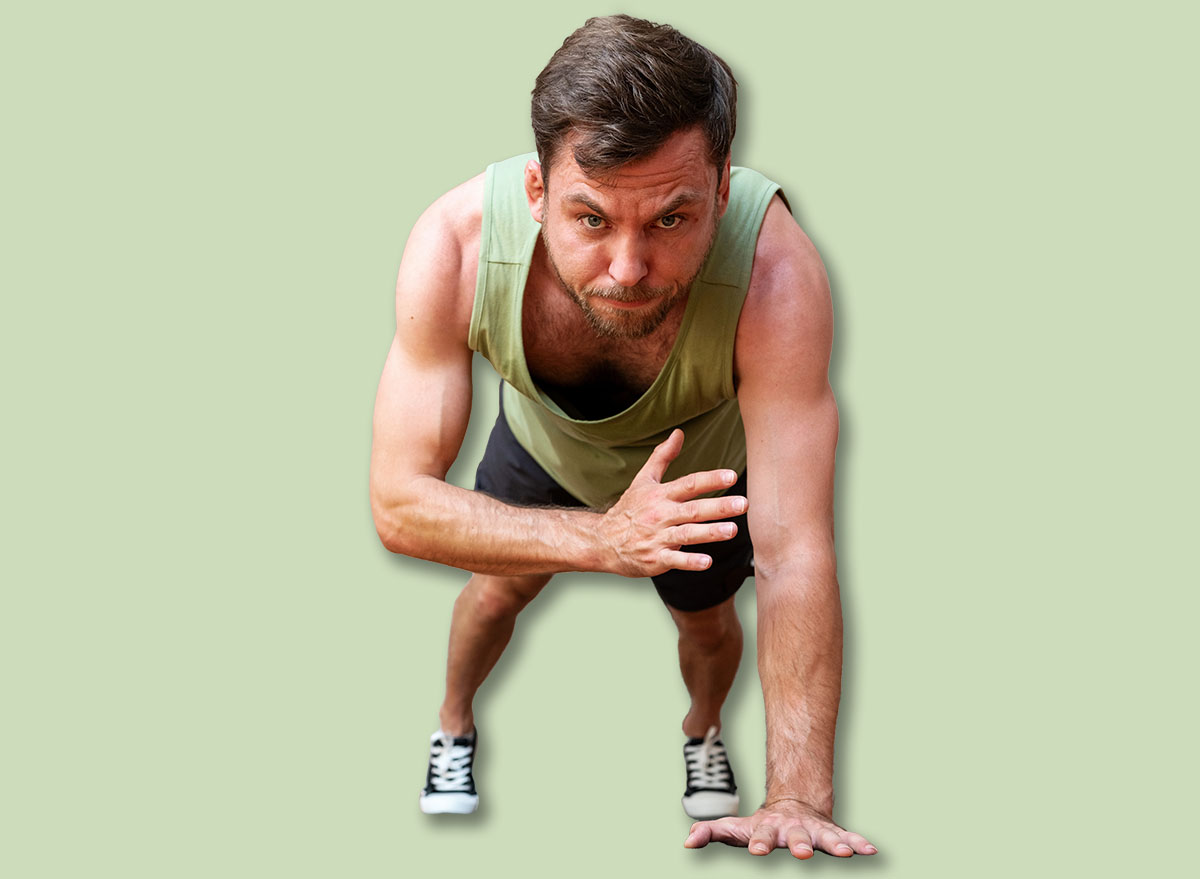
6 Best Bodyweight Exercises to Build Strength After 60 Without Weights
Building strength after age 60 does not require heavy gym equipment, as bodyweight exercises can provide sufficient resistance to improve muscle tone and functional movement. By utilizing techniques such as slower repetitions, deeper ranges of motion, and single-leg movements, individuals can effectively challenge their muscles while simultaneously improving balance, coordination, and joint control.
Unlike traditional weight training that loads the body from the outside, bodyweight training requires an individual to control their own mass through space, which engages core stability and posture alongside primary muscle groups.
Why Bodyweight Training is Effective for Aging Adults
Strength training is essential for maintaining independence, as it directly supports daily activities like standing, climbing stairs, and getting up from the floor. According to fitness coaching guidance, the primary advantage of no-equipment training is its accessibility and ease of repetition. Without the need for machines or specific gym schedules, individuals can incorporate strength training into their daily routines, such as during the morning or between errands. Consistency remains the most critical factor, as muscle strength improves when the body receives a clear, frequent signal to adapt.
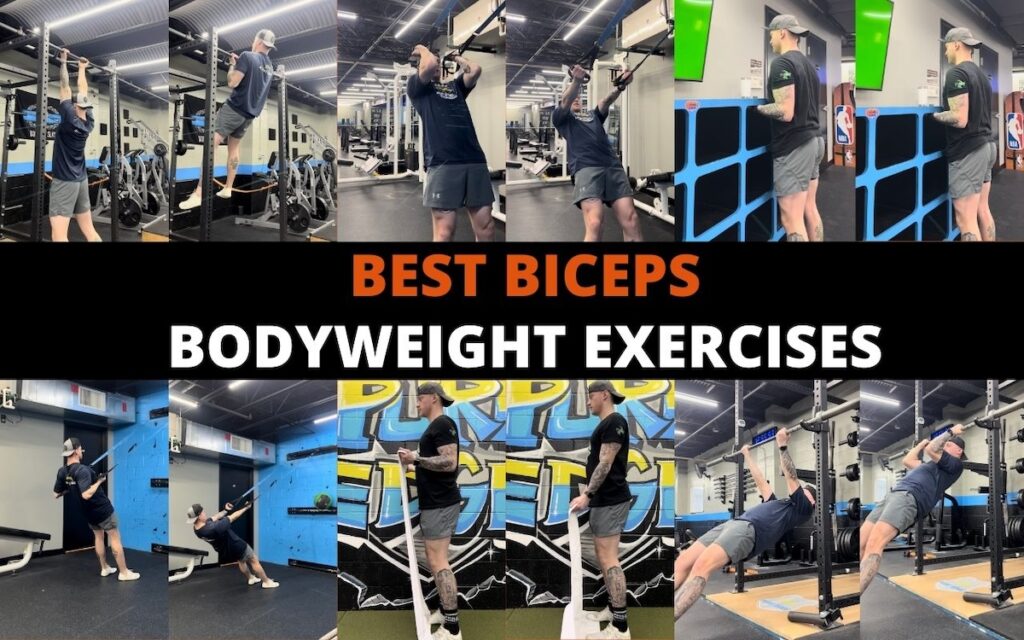
The shift toward bodyweight training represents a transition from focusing solely on isolated muscle growth to emphasizing functional movement patterns. For adults over 60, the integration of balance and core engagement into strength work provides a more practical foundation for preventing falls and managing daily physical demands, effectively turning standard household items like chairs or walls into training tools.
Six Essential Moves for Strength
To build strength effectively, exercises must target large muscle groups and provide meaningful resistance. Coaches recommend the following six movements:
- Chair Squats: Target the quadriceps, glutes, hamstrings, and core. Using a chair as a target helps maintain proper form during 3 sets of 10 to 15 repetitions.
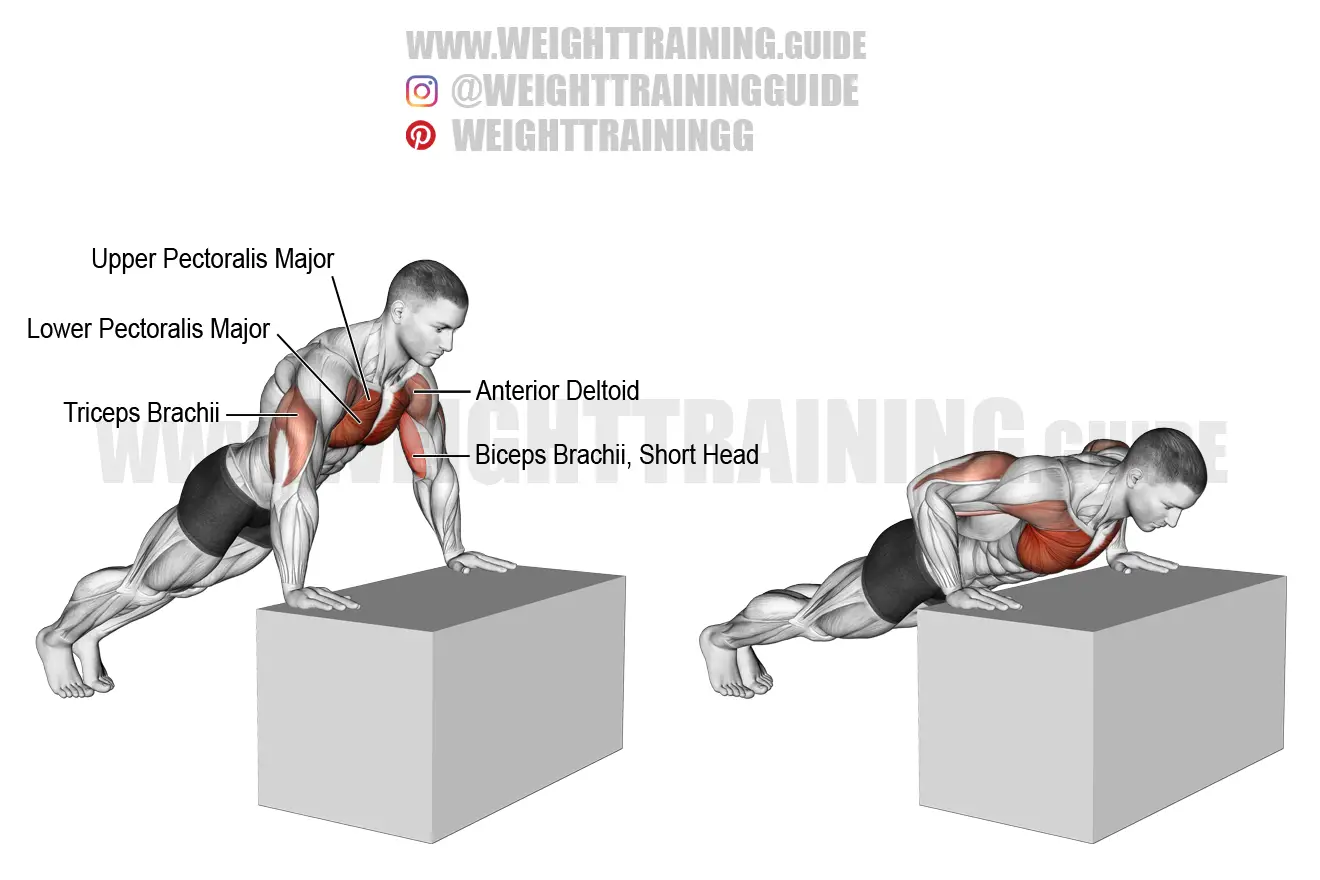
- Incline Push-Ups: By using a wall or counter, individuals can build chest and shoulder strength. Aim for 3 sets of 6 to 12 repetitions.
- Reverse Lunges: These challenge balance and individual leg strength. Perform 3 sets of 8 to 10 repetitions per side.
- Glute Bridge Walkouts: This movement focuses on the posterior chain, including the lower back and hamstrings. Complete 3 sets of 6 to 8 walkouts.
- Wall Sit Marches: This exercise builds leg endurance and core stability under constant tension. Perform 3 sets of 8 to 12 marches per side.
- Plank with Shoulder Taps: This move engages the deep core and obliques to resist rotation. Aim for 3 sets of 8 to 12 taps per side.
How to Increase Intensity Without Weights
As the body adapts to these movements, intensity can be increased by manipulating tempo and positioning. Lowering the body slowly for 2 to 3 seconds during squats or push-ups creates greater muscle tension. Adding pauses at the most difficult points of a movement, such as the bottom of a squat or the peak of a bridge, further increases the challenge. Training one side at a time, as seen in reverse lunges, also forces the body to improve control and stability.
What May Happen Next
For those who maintain a consistent schedule of 3 to 5 days per week, the body is likely to experience increased muscle tone and improved endurance in daily tasks. As strength gains occur, individuals may find they can progress to more challenging variations, such as lowering the height of the surface used for incline push-ups or increasing the duration of wall sit holds. If the routine is neglected, the body may lose the adaptive signal required to maintain or build muscle tissue, potentially leading to a plateau in functional strength.
Frequently Asked Questions
Is bodyweight training as effective as lifting weights?
Yes, bodyweight training can be highly effective for building strength after 60 when exercises are performed with control and intensity, such as by slowing down repetitions or increasing the range of motion.
How many days a week should I train?
Coaches recommend performing these routines 3 to 5 days per week, or incorporating a few movements daily as short strength breaks to maintain consistency.
What should I do if an exercise is too difficult?
You can utilize variations or modifications, such as using a wall for support during lunges or starting with higher surfaces for push-ups and squats, to ensure form remains clean and safe.
Which of these movements could you realistically incorporate into your daily routine starting tomorrow?