

7.2 Magnitude Earthquake Hits Northern Japan, No Tsunami Warning
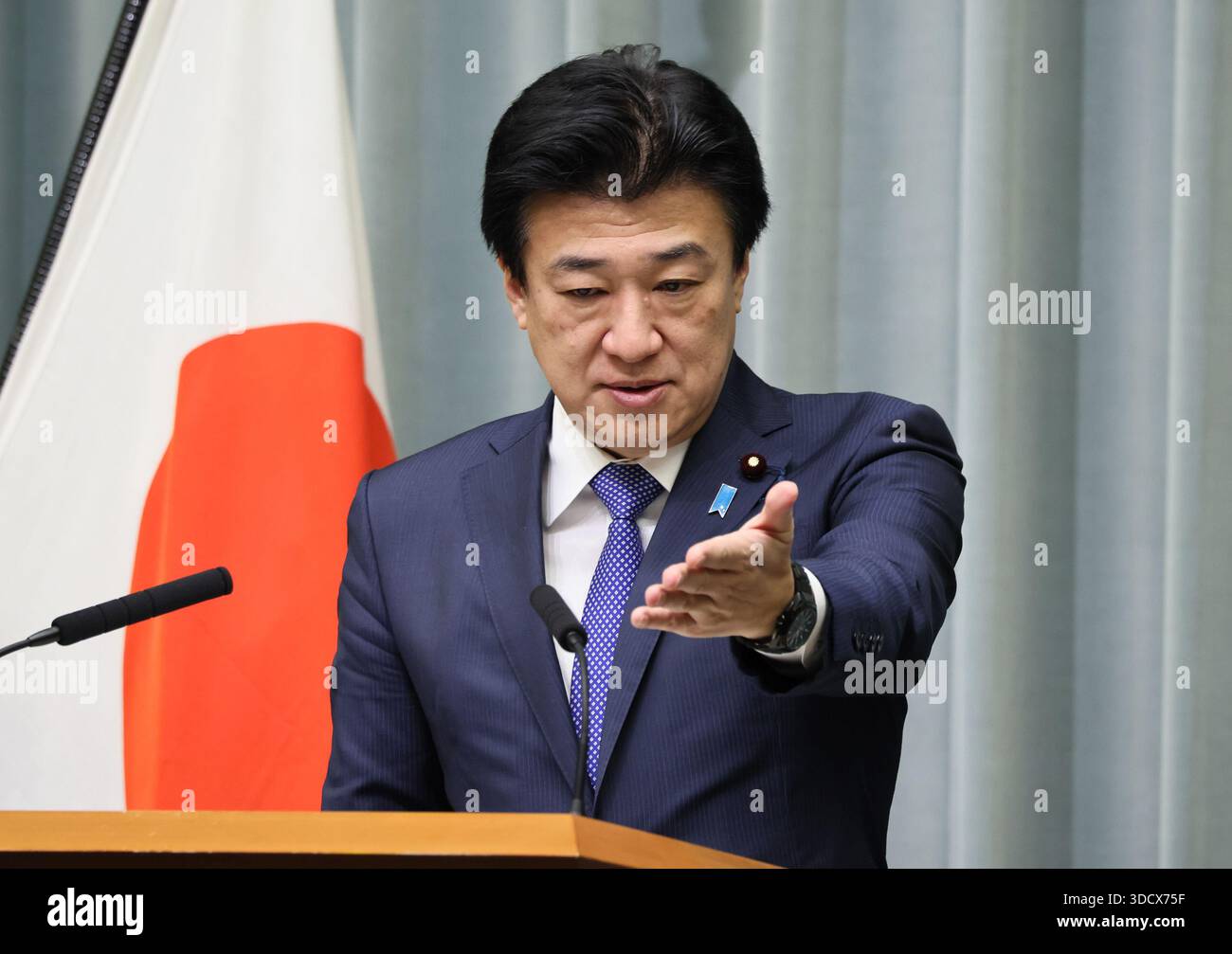
A magnitude 7.2 earthquake struck the northern coast of Japan on Thursday morning, prompting temporary rail suspensions but causing no reported injuries or tsunami threats, according to the Japan Meteorological Agency and government spokesperson Minoru Kihara.
The quake occurred at a depth of 50 kilometers off the eastern coast of Iwate prefecture, the Japan Meteorological Agency reported. While the agency initially estimated the magnitude at 6.9, it later updated the figure to 7.2. The U.S. Geological Survey also reported the event, maintaining its estimate at 6.9.
How did the earthquake affect Japan’s infrastructure?
The tremor hit during the Thursday morning rush hour, causing slight shaking in Tokyo and more significant impacts in the northeast. East Japan Railway Co. suspended several bullet train and local line services to conduct safety inspections, according to the company.
Public broadcaster NHK reported that residents in Sendai and Morioka felt the quake for several minutes. However, NHK images showed traffic flowing normally and signals functioning in the city of Hachinohe, with no visible damage reported by journalists on the ground.
What is the current status of nuclear facilities?
Government spokesperson Minoru Kihara stated that no anomalies were reported at regional nuclear plants. This includes the Fukushima Daiichi plant, which was damaged during the 2011 earthquake and tsunami, as well as a spent fuel reprocessing facility in Aomori.
Authorities confirmed there is no risk of a tsunami in the Pacific, a detail that differs from previous seismic events in the region, according to official reports.
Why does this region face recurring seismic activity?
The area has experienced repeated strong tremors in recent months. In December, one such event led to a week-long caution notice regarding a possible “mega-earthquake,” according to reports.
Prime Minister Sanae Takaichi told reporters that government emergency teams are prioritizing human lives while coordinating potential aid operations. She urged residents in affected regions to remain cautious of possible aftershocks.
What may happen next?
Given the Prime Minister’s warnings, the region may experience further aftershocks. Rail services operated by East Japan Railway Co. could face further intermittent delays if safety reviews identify structural concerns.
Government teams may likely continue evaluating the situation in Iwate and surrounding prefectures to determine if aid operations are necessary.
Frequently Asked Questions
Was a tsunami triggered by the earthquake?
No. The Japan Meteorological Agency and other authorities confirmed there is no danger of a tsunami in the Pacific.
Were there any casualties or major damages?
Government spokesperson Minoru Kihara reported no injuries or damages at the time of the announcement.
Which transportation services were interrupted?
East Japan Railway Co. temporarily suspended some local lines and bullet train services for safety checks.
How do these recurring seismic events influence your perspective on infrastructure resilience in high-risk zones?