
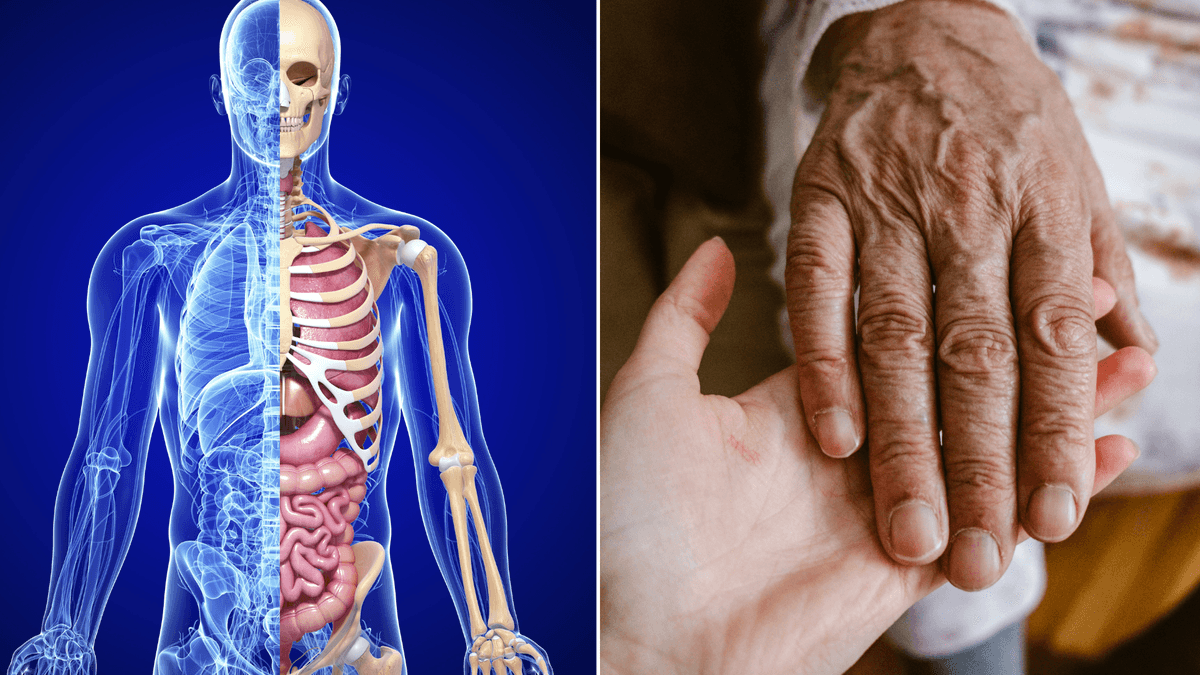
7 Essential Tips to Slow Down Aging and Improve Health
Physical activity is among the most effective methods for slowing the aging process, with guidelines recommending 150–300 minutes of moderate activity or 75–150 minutes of high-intensity training per week. Other essential factors include maintaining a blood pressure of 120/80 mmHg and securing 7–9 hours of nightly sleep.
How does physical activity slow the aging process?
Regular movement helps decelerate aging. Reddy told HuffPost that finding a physical activity you enjoy and look forward to is essential for establishing a lasting routine. All forms of movement contribute to these health goals.
How can individuals manage cholesterol and blood pressure?
Elevated LDL cholesterol increases the risk of cardiovascular diseases. To balance these levels, guidelines suggest increasing fiber intake through foods like avocado, beans, olive oil, and fruit, while avoiding smoking and staying active.
Blood pressure targets should be around 120/80 mmHg to reduce the risk of serious illness. Reducing salt intake, limiting alcohol, managing stress, and exercising regularly are key strategies for maintaining these values.
Why are blood sugar and weight stability critical for health?
Chronic high blood sugar can cause damage to organs, nerves, and blood vessels. Even small elevations in blood sugar levels can be harmful, making regular monitoring and balanced meals necessary to maintain stability.
Maintaining a stable and healthy weight reduces the risk of various diseases and contributes to slower aging. The combination of proper nutrition and regular movement is more effective than relying on fast diets.
What role do sleep and smoking cessation play in aging?
Smoking accelerates the body’s aging process and increases the risk of multiple diseases. Quitting is described as one of the most significant actions a person can take for their overall health.
Sleep is necessary for the body to recover. Most adults require between 7 and 9 hours of sleep per night. Insufficient sleep may negatively impact the brain, heart, and immune system.
What may happen next for those following these guidelines?
Individuals who adopt these lifestyle changes could see a reduction in the risk of cardiovascular and metabolic diseases. Consistently meeting sleep and activity targets is likely to support better immune function and potentially slow the physical signs of aging.

Frequently Asked Questions
How much exercise is recommended weekly?
The recommendation is 150–300 minutes of moderate activity or 75–150 minutes of high-intensity training per week.
Which foods help lower LDL cholesterol?
Fiber-rich foods such as avocado, beans, olive oil, and fruit can contribute to better cholesterol levels.
What is the target blood pressure for a healthy adult?
Guidelines suggest striving for blood pressure values around 120/80 mmHg.
Which of these lifestyle adjustments do you find most challenging to maintain in your daily routine?