
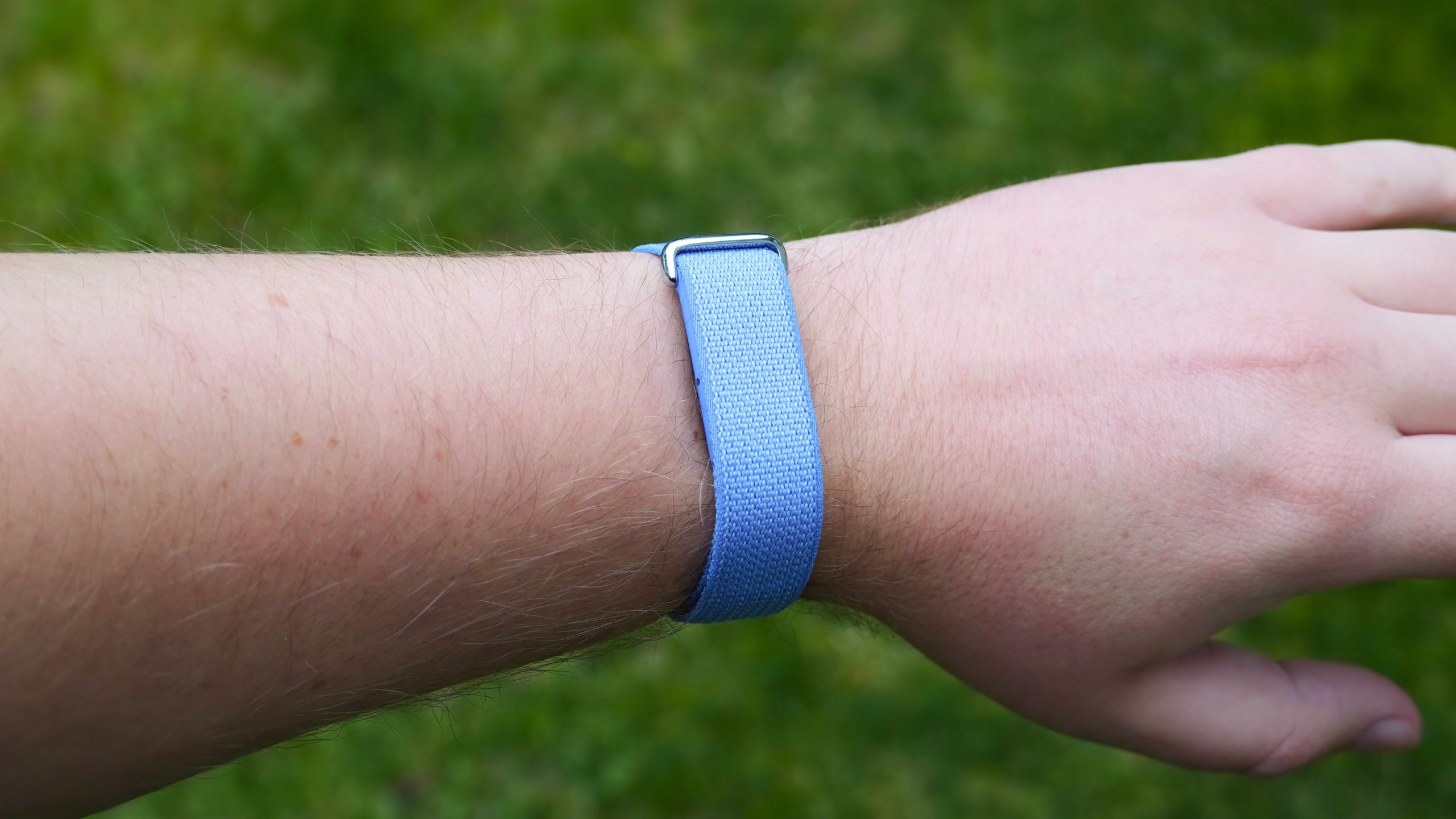
7 Things to Do First With Your Fitbit Air
The Rise of Invisible Tech: Why Screenless Wearables are the Future of Health
For years, the trajectory of wearable tech was simple: more screens, more notifications, and more distractions. We turned our wrists into miniature smartphones, only to find ourselves overwhelmed by “notification fatigue.”
However, a significant shift is occurring. The arrival of minimalist devices like the Fitbit Air signals a move toward ambient health monitoring—technology that works in the background, recording critical data without demanding our constant attention.
This isn’t just a design choice; it’s a psychological one. By removing the screen, we move from “active tracking” to “passive wellness,” allowing the data to serve us, rather than us serving the device.
From Reactive to Predictive: The New Era of Preventative Medicine
We are moving away from a world where we visit a doctor only when we feel sick. The integration of medical-grade features—such as irregular heart rhythm notifications and AFib detection—into affordable hardware is turning wearables into early-warning systems.
Imagine a future where your wearable doesn’t just tell you that your heart rate is high, but predicts a potential illness 48 hours before you feel the first symptom. Here’s already happening through Heart Rate Variability (HRV) analysis and skin temperature sensors.
Recent data suggests that continuous monitoring can lead to earlier detection of cardiovascular issues, potentially reducing emergency room visits by providing users with actionable data to share with their physicians via global health standards.
The Role of AI in Bio-Optimization
The next frontier is the marriage of passive data and Generative AI. Instead of a graph showing you slept poorly, your health ecosystem will provide a specific directive: “Your recovery is low today; skip the high-intensity workout and prioritize 20 minutes of mobility work to avoid injury.”
This shift toward hyper-personalized bio-optimization means the device becomes a coach, not just a ledger. We are seeing this trend emerge in high-performance athletics, but it is rapidly trickling down to the general consumer market.
The “Ownership” Pivot: Challenging the Subscription Economy
For a while, the industry trend was “Hardware as a Service.” Companies sold devices cheaply but locked the actual data behind a monthly paywall. This created a barrier to entry for those who wanted health insights without a recurring bill.
The move toward high-quality, subscription-free devices is a strategic pivot. By lowering the financial barrier, companies can gather larger, more diverse datasets, which in turn improves the accuracy of their health algorithms for everyone.
This democratization of data means that a $99 device can now offer insights that were reserved for $500 luxury trackers just a few years ago. It encourages long-term adherence to health goals rather than short-term engagement driven by a subscription cycle.
Seamless Ecosystems: The End of the “Siloed” Workout
One of the most promising trends is the erasure of boundaries between different fitness brands. The ability for a single wearable to broadcast heart rate data to Peloton, Strava, and gym equipment simultaneously is a glimpse into a unified health identity.
In the near future, your health data will likely follow you across platforms seamlessly. Your smart bed will communicate your sleep quality to your coffee maker, which will then adjust the caffeine strength of your morning brew based on your recovery score.
For more on how to integrate your devices, check out our guide on optimizing your smart home for wellness.
Frequently Asked Questions
Are screenless trackers as accurate as smartwatches?
Yes. In many cases, they are more accurate for sleep and recovery because their smaller form factor allows for a tighter, more consistent fit against the skin, reducing “noise” in the sensor data.
Do I need a smartphone to use a passive tracker?
While the device records data independently, a smartphone app is required to sync, analyze, and visualize that data. The “intelligence” lives in the cloud, not on the wrist.
Will screenless wearables replace smartwatches entirely?
Unlikely. They serve different purposes. Smartwatches are for communication and productivity; screenless trackers are for health and longevity. Many users are now adopting a “hybrid” approach, wearing both.
Join the Conversation
Are you embracing the “invisible tech” trend, or do you prefer having all your data right on your wrist? Let us know in the comments below or subscribe to our newsletter for the latest insights into the future of biohacking!