
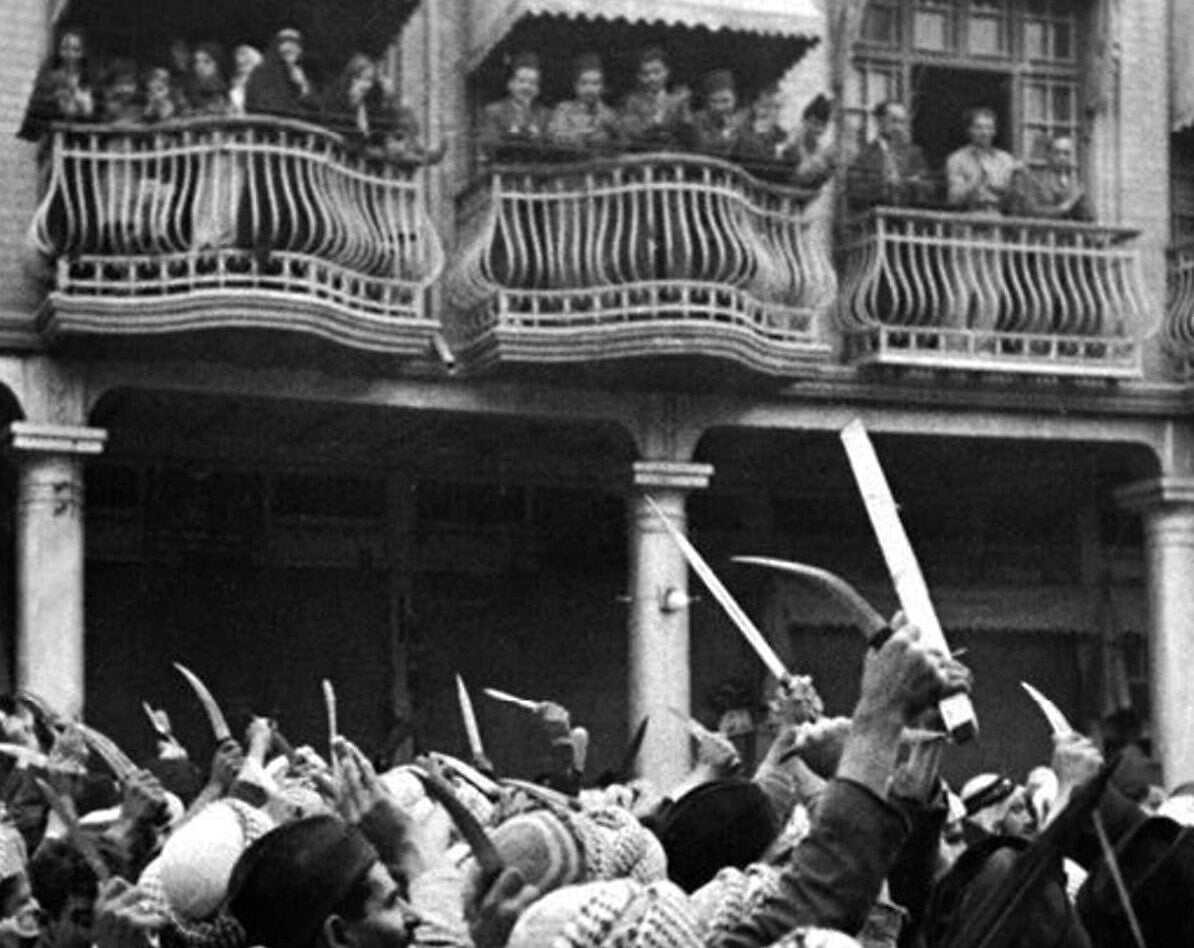
85 Years After the Farhud: Survivors Fight to Preserve the History of Iraqi Jewry
The Farhud Legacy: Why Remembering Iraq’s “Forgotten Holocaust” Is Critical for the Future
For decades, the Farhud—the violent 1941 pogrom that decimated Baghdad’s Jewish community—remained a footnote in global history. Yet, as the last generation of survivors shares their harrowing testimonies, the event is undergoing a profound cultural reappraisal. This shift in historical awareness is not just about the past; it is a vital lens through which we must view the future of Middle Eastern geopolitics and global antisemitism.
From Silence to Recognition: The New Wave of Historical Documentation
The recent commemoration at Israel’s President’s Residence marks a turning point. For years, the trauma of the Farhud was often suppressed or relegated to private family conversations. Today, initiatives like personal digital archives, documentary filmmaking, and public exhibitions are changing the narrative.
As we look toward the future, we can expect a surge in “intergenerational truth-telling.” With the physical presence of survivors dwindling, the responsibility is shifting to grandchildren and historians to digitize oral histories. This ensures that the Farhud is no longer an “absent” chapter in the history of the Holocaust, but a recognized pillar of Jewish collective memory.
The Farhud, which translates to “violent dispossession,” was significantly influenced by Nazi-inspired propaganda circulating in Iraq at the time. It serves as a stark reminder that antisemitism is not, and has never been, exclusively a European phenomenon.
The Echoes of October 7: Connecting Past Pogroms to Modern Reality
The heartbreaking story of Shlomo Mantzur—a survivor of the Farhud who was later abducted during the October 7 Hamas attacks—serves as a haunting bridge between the past and the present. His story highlights a recurring pattern: the vulnerability of Jewish communities when state protection fails.
Future trends in historical research will likely focus on the cyclical nature of antisemitic violence. Historians are increasingly drawing parallels between the “marking of houses” in 1941 Baghdad and the digital and physical targeting of Jews in the 21st century. This analytical shift will force policymakers and NGOs to view historical pogroms not as isolated tragedies, but as early warning systems for contemporary human rights abuses.
Digital Preservation: Protecting Testimonies for the Next Century
How do we ensure these stories don’t fade into oblivion? The future of historical preservation lies in interactive digital memorials. We are moving beyond static textbooks into immersive experiences where students can interact with AI-driven testimonies or explore digitized maps of pre-1941 Baghdad.
If you are researching your family history, start by recording audio or video interviews with elderly relatives now. Platforms like the Yad Vashem archives provide excellent resources on how to document and preserve these invaluable primary sources.
Shifting Geopolitics and the Mizrahi Narrative
As the Middle East undergoes normalization processes and shifting alliances, the story of Mizrahi Jews (Jews from Arab and Muslim lands) is gaining diplomatic weight. Recognizing the Farhud is essential for a comprehensive understanding of the region’s demographics. Future discourse will likely see an increased demand for historical justice and a more nuanced understanding of the “Jewish refugee” crisis that followed the 1948 establishment of Israel.
Frequently Asked Questions (FAQ)
Q: What was the Farhud?
A: The Farhud was a two-day violent pogrom against the Jewish community in Baghdad, Iraq, in June 1941, resulting in hundreds of deaths and widespread looting.

Q: Why is the Farhud often called the “Forgotten Holocaust”?
A: It is often referred to by this name because, despite its severity and its role in ending 2,500 years of Jewish life in Iraq, it received significantly less global attention than the events of the Holocaust in Europe.
Q: How can I learn more about the history of Iraqi Jews?
A: You can explore resources from the ANU Museum of the Jewish People or search for documentaries produced by independent historians focusing on the Middle Eastern Jewish experience.
Q: Why does this history matter today?
A: Understanding the Farhud provides critical context for modern antisemitism and the history of Jewish displacement, helping to prevent the erasure of these experiences from the global historical record.
What are your thoughts on the importance of preserving these oral histories? Do you have a family story that needs to be told? Join the conversation in the comments below or subscribe to our newsletter for deep dives into historical narratives that shape our world.