

A 31-year-old man in Louisiana suffers a severe penetrating injury to the neck after being attacked by a 60-pound white marlin while fishing.
A 31-year-old fisherman in Louisiana suffered a rare cranial injury after a white marlin’s bill penetrated his skull during an ocean fishing trip, according to a medical report. The man, who was brought to the hospital by boat and helicopter, presented with bleeding from the mouth, severe neck pain, and stiffness. Doctors discovered a tear in the back of his throat and later identified a 1.4-inch fish bill fragment lodged in his spinal canal, piercing the foramen magnum—a first in medical literature, the report states.
What caused the injury and how was it diagnosed?
The man was fishing off the Louisiana coast when the marlin he caught jumped and struck him in the mouth with its bill, causing him to fall backward into the boat. Initial X-rays of his upper spine showed no abnormalities, but escalating pain led to a CT scan, which revealed a wedge-shaped, hyperdense object in his spinal canal. Surgeons confirmed the object was a broken fish bill tip, requiring complex removal due to its position near the base of the skull.
Why is this case significant in medical history?
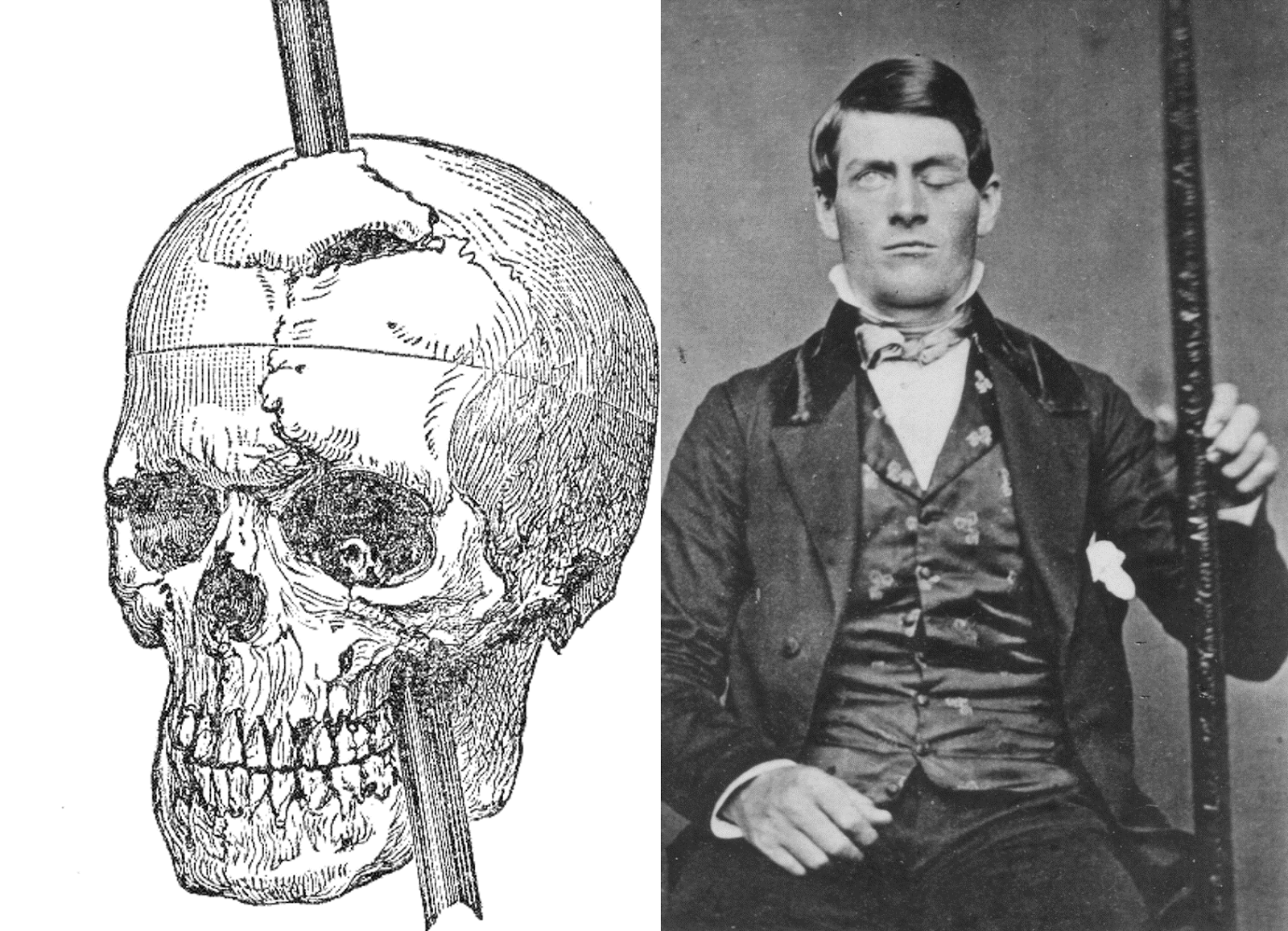
This case marks the first documented injury to the foramen magnum caused by a fish bill, according to the report. Historically, similar cranial traumas have involved objects like iron bars, oil cans, and crochet hooks, but none have targeted the foramen magnum. The 1848 case of Phineas Gage, who survived a metal rod injury to the brain, and a 1895 incident involving an oilcan spout, are cited as precedents for foreign body intrusions into the skull.
What are the potential long-term implications?
The patient fully recovered after surgery and antibiotic treatment, with no neurological deficits at his final follow-up. However, experts note that such injuries could lead to complications like infection or spinal cord damage if not addressed promptly. The case highlights the importance of thorough imaging in trauma cases, particularly when symptoms persist despite initial negative scans.

Did You Know? The foramen magnum, the opening at the base of the skull through which the spinal cord passes, has only been previously injured by non-fish objects in medical records. The 1848 case of Phineas Gage, a railroad worker who survived an iron rod injury, is one of the earliest documented cranial trauma cases.
Expert Insight: Samantha Carter, a trauma surgeon with 20 years of experience, notes that this case underscores the unpredictability of traumatic injuries. “While fish bills are not typically considered hazardous, the anatomy of the foramen magnum makes it a high-risk area for severe complications. This emphasizes the need for vigilance in diagnosing foreign body intrusions, even in seemingly low-risk scenarios,” she says.
Frequently Asked Questions
What was the size of the fish involved? The white marlin weighed approximately 60 pounds (27 kilograms), though the species can grow up to 180 pounds (82 kilograms).
How was the fish bill removed? Surgeons made an additional incision above the topmost vertebra to extract the 1.4-inch fragment, which had become embedded in the spinal canal.
What infections were prevented? The patient received five antibiotics to guard against throat microbes and marine-specific bacteria, given the object’s origin.
Could similar incidents occur with other large fish species? What precautions might fishermen take?