
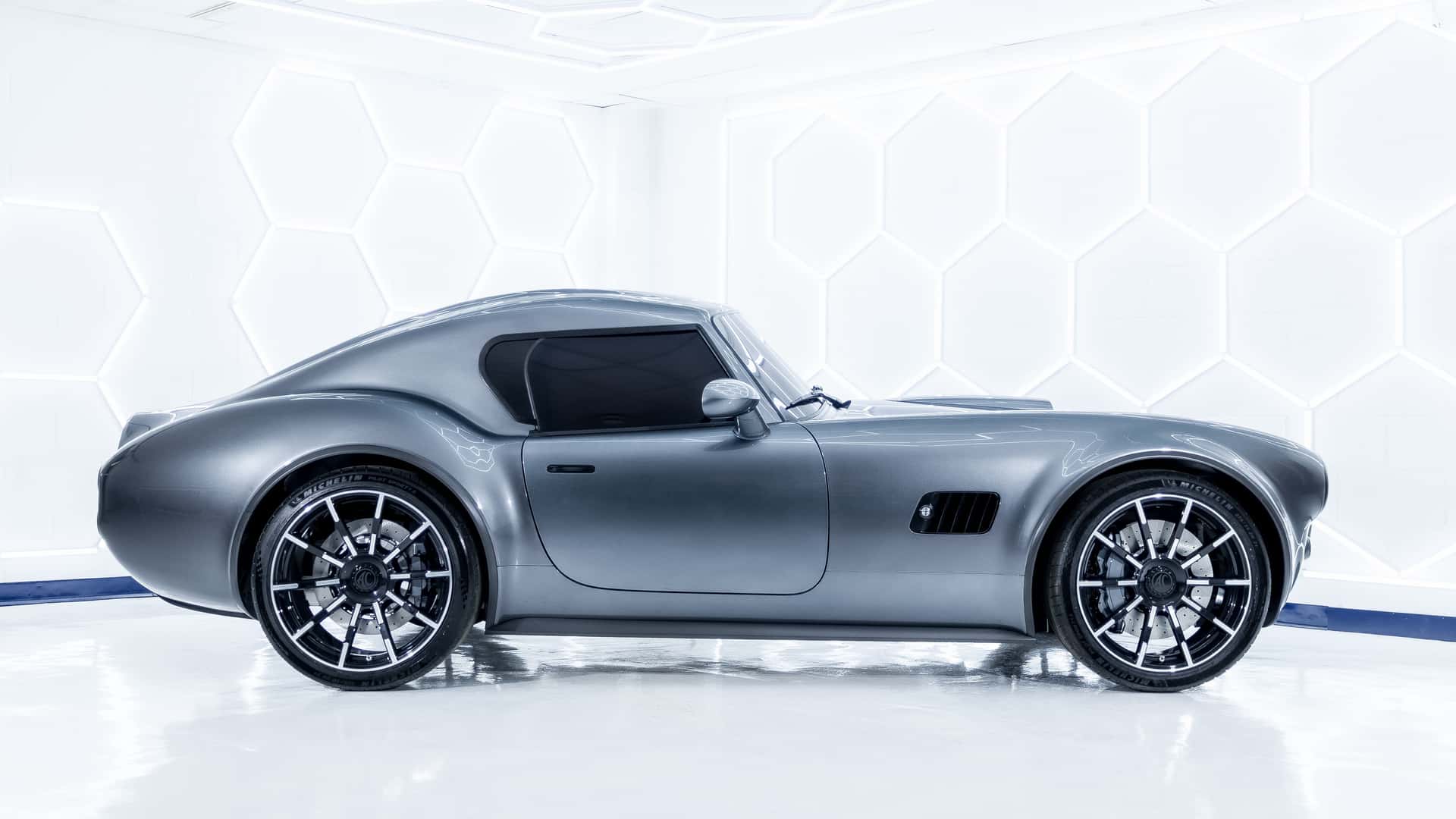
A British Icon Returns With 720 Horsepower
The Cobra Renaissance: How Boutique Automakers Are Scaling the Impossible
For 125 years, AC Cars has been a name synonymous with British motoring heritage. But today, the brand isn’t just looking back at its trophy cabinet; it is aggressively pivoting toward a high-volume future. The announcement of the new Cobra GT Coupe—a machine blending Le Mans-inspired aerodynamics with a fire-breathing Ford V8—signals a massive shift in the boutique automotive landscape.
AC Cars isn’t an outlier. We are witnessing a broader industry trend where low-volume manufacturers are leveraging modern carbon-fiber technology and automated production to transition from “cottage industry” shops to serious, 1,000-unit-per-year players. This is the new era of the bespoke performance car.
The Formula: Why the “Big V8” Remains King
In an era where every major manufacturer is racing toward electrification, AC Cars is doubling down on the visceral experience of a 5.0-liter Ford V8. By offering both naturally aspirated and supercharged configurations—topping out at a staggering 720 horsepower—AC is tapping into a specific, high-net-worth demographic that prioritizes mechanical purity over battery range.
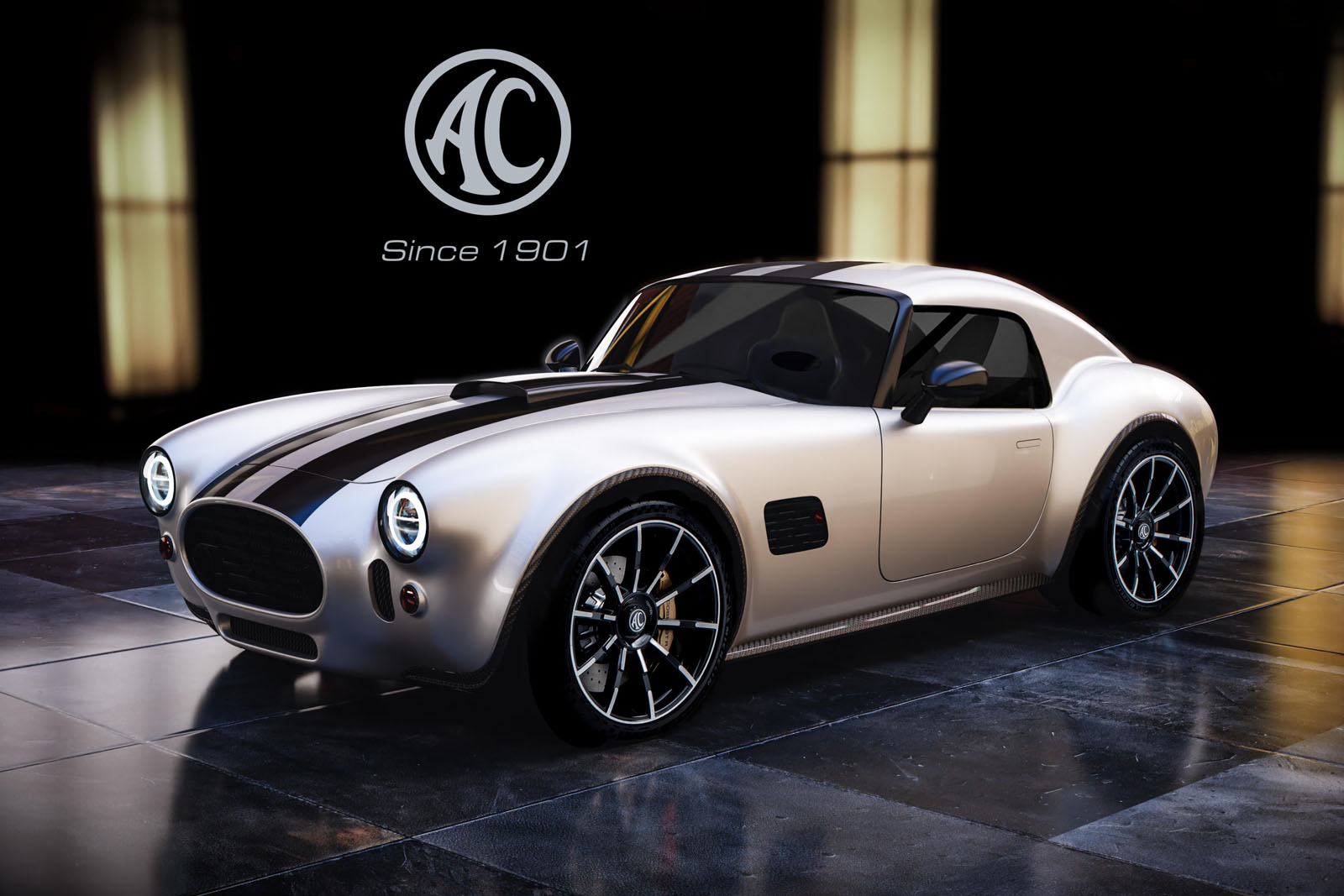
The engineering approach here is classic yet sophisticated. By pairing an extruded aluminum chassis with a lightweight carbon-fiber body, the Cobra GT Coupe achieves a perfect 50:50 weight distribution. This ensures that while the car has the raw output of a muscle car, it retains the handling precision of a track-focused sports car.
Scaling Production: From Hand-Built to High-Volume
Scaling from 100 to 1,000 cars annually is the “valley of death” for many automotive startups. It requires more than just a bigger factory; it requires a complete overhaul of supply chain management and quality control processes.
Industry experts have long pointed to the “Morgan Motor Company” model as the gold standard for this transition. By modernizing production lines without losing the “hand-built” soul of the vehicle, manufacturers can maintain their premium pricing while increasing accessibility. For AC Cars, the move to a new production facility is the essential catalyst needed to bridge the gap between niche collector item and legitimate luxury brand.
The Economics of the Modern Boutique Sports Car
With a starting price hovering around $315,000, the Cobra GT Coupe sits firmly in the ultra-luxury performance segment. However, the move toward higher production numbers is a strategic play. Increased volume allows for better amortization of R&D costs, which could eventually lead to more stable pricing and a wider range of variants, including potential classic-styled editions.
As the market for internal combustion engines (ICE) potentially shrinks, the value of “analog” supercars is expected to rise. Collectors are increasingly viewing these limited-production, high-performance vehicles as blue-chip assets rather than simple toys.
Frequently Asked Questions
Q: What makes the AC Cobra GT Coupe different from previous models?
A: Unlike the classic Cobra roadsters, the GT Coupe features a modern extruded aluminum chassis and carbon-fiber bodywork, specifically designed for improved aerodynamics and high-speed stability inspired by the AC A98 Le Mans car.

Q: Will the increase in production affect the car’s resale value?
A: While higher production can sometimes dilute rarity, for a brand like AC Cars, 1,000 units per year is still extremely exclusive. The increased production is intended to meet global demand, which has historically remained high for the Cobra nameplate.
Q: Are there plans for an electric version of the Cobra?
A: While AC Cars is focusing on the Ford-sourced V8 for the GT series, the brand has explored various powertrain integrations in the past. Currently, the company’s focus remains on high-performance combustion engines for the purist market.
Join the Conversation
Do you believe that boutique manufacturers should stick to ultra-low production to maintain exclusivity, or is the move to 1,000 units a year the right path for survival in the modern market? Share your thoughts in the comments below or subscribe to our weekly newsletter for more deep dives into the future of performance engineering.