
A single dose of psilocybin provides months of relief from chronic suicidal thoughts in new study
A single dose of psilocybin, administered with structured psychological support, may rapidly and safely reduce chronic suicidal ideation in adults with severe depression, according to a study published in The Journal of Clinical Psychiatry. Researchers found that 75% of participants experienced a significant reduction in suicidal thoughts by the third week, with 45% achieving full remission. The findings suggest that this psychedelic-assisted therapy could offer durable relief for patients who have not responded to standard psychiatric treatments.
How the study was conducted
The research team, led by Scott T. Aaronson of the Institute for Advanced Diagnostics and Therapeutics at Sheppard Pratt, conducted an open-label trial with 20 adults aged 18 to 65. All participants had a confirmed diagnosis of major depressive disorder and a history of treatment resistance, meaning they had not improved after at least two trials of standard antidepressants. Before the study, participants completed a supervised process to taper off their existing psychiatric medications.
The intervention involved three preparatory sessions, a single 25-milligram oral dose of synthetic psilocybin, and three follow-up integration sessions. During the eight-hour dosing session, participants were monitored by two trained therapists in a room designed for physical and psychological comfort. Researchers used the Modified Scale for Suicidal Ideation and the Montgomery-Asberg Depression Rating Scale to track progress at one, three, and 12 weeks post-dosing.
Did You Know? The study was an open-label trial, meaning both the researchers and the participants were aware that the substance being administered was psilocybin, rather than a placebo.
Why this research matters
Chronic suicidal ideation is a persistent challenge in psychiatric care, often failing to respond to standard interventions like cognitive behavioral therapy or antidepressants. While rapid-acting treatments such as ketamine exist, their anti-suicidal effects often fade within days or weeks. Researchers suggest that psilocybin may work by stimulating serotonin receptors to temporarily disrupt the “default mode network,” a brain region associated with rumination and rigid, negative thought patterns.
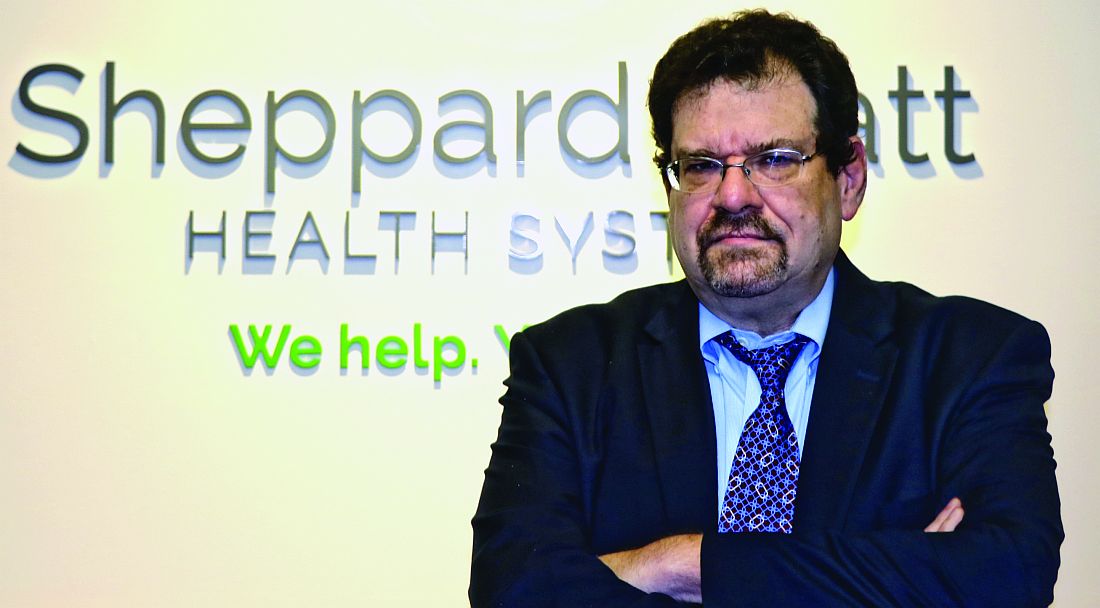
Aaronson noted that the study helps address a critical gap in scientific knowledge, as patients with suicidal ideation are historically excluded from most depression trials due to safety concerns. The trial results provided no evidence that a single dose of synthetic psilocybin increases the risk of suicidal ideation. Instead, the data indicated that psilocybin might exert specific anti-suicidal effects that are distinct from its general antidepressant qualities.
Expert Insight: The use of psilocybin in a controlled, therapeutic setting represents a shift toward addressing the underlying rigid thought patterns of depression rather than just managing symptoms. However, the reliance on an open-label design means researchers must be cautious, as participant expectations—often high in psychedelic studies—can influence subjective reporting of symptom relief.
What happens next
Future research will likely focus on larger, randomized, placebo-controlled trials to confirm these initial findings and isolate the specific effects of the drug from the placebo effect. Because more than half of the participants in this trial resumed standard psychiatric medications after the third week, scientists aim to conduct longer follow-up periods to better understand the long-term durability of the treatment. There is also potential for future studies to investigate whether additional dosing sessions or ongoing integration therapy could help maintain these mental health gains for patients over time.
Frequently Asked Questions
Who were the participants in this study?
The study included 20 adults, aged 18 to 65, who had been diagnosed with major depressive disorder and suffered from chronic suicidal thoughts despite having failed at least two previous antidepressant treatments.
What were the primary side effects observed during the trial?
The intervention was generally well-tolerated with no severe adverse events. Reported side effects were transient and included mild to moderate nausea, headache, and anxiety.
Did the researchers find that psilocybin increased suicidal risk?
No. The study found no significant evidence of increased suicidal risk following the single dose of synthetic psilocybin. In fact, 14 of the 20 volunteers showed remission or near-remission of their suicidal ideation three months after the session.
Do you believe that targeted, short-term interventions like this could eventually replace or supplement traditional long-term depression treatments?