

A Week of Promise: What to Expect Ahead
Modern astrology is evolving from simple newspaper columns into a data-driven tool for mental wellness and self-actualization. By blending ancient celestial patterns with psychological frameworks, millions are using zodiac trends to manage stress and improve interpersonal relationships in an increasingly digital age.
Why is the interest in astrology surging among Gen Z and Millennials?
People aren’t just looking for “lucky numbers” anymore. They’re searching for a sense of order in a chaotic global climate. According to a Pew Research Center study on spiritual trends, there’s a marked shift toward “spiritual but not religious” identities. This shift allows individuals to curate their own belief systems, using astrology as a mirror for self-reflection rather than a rigid set of rules.
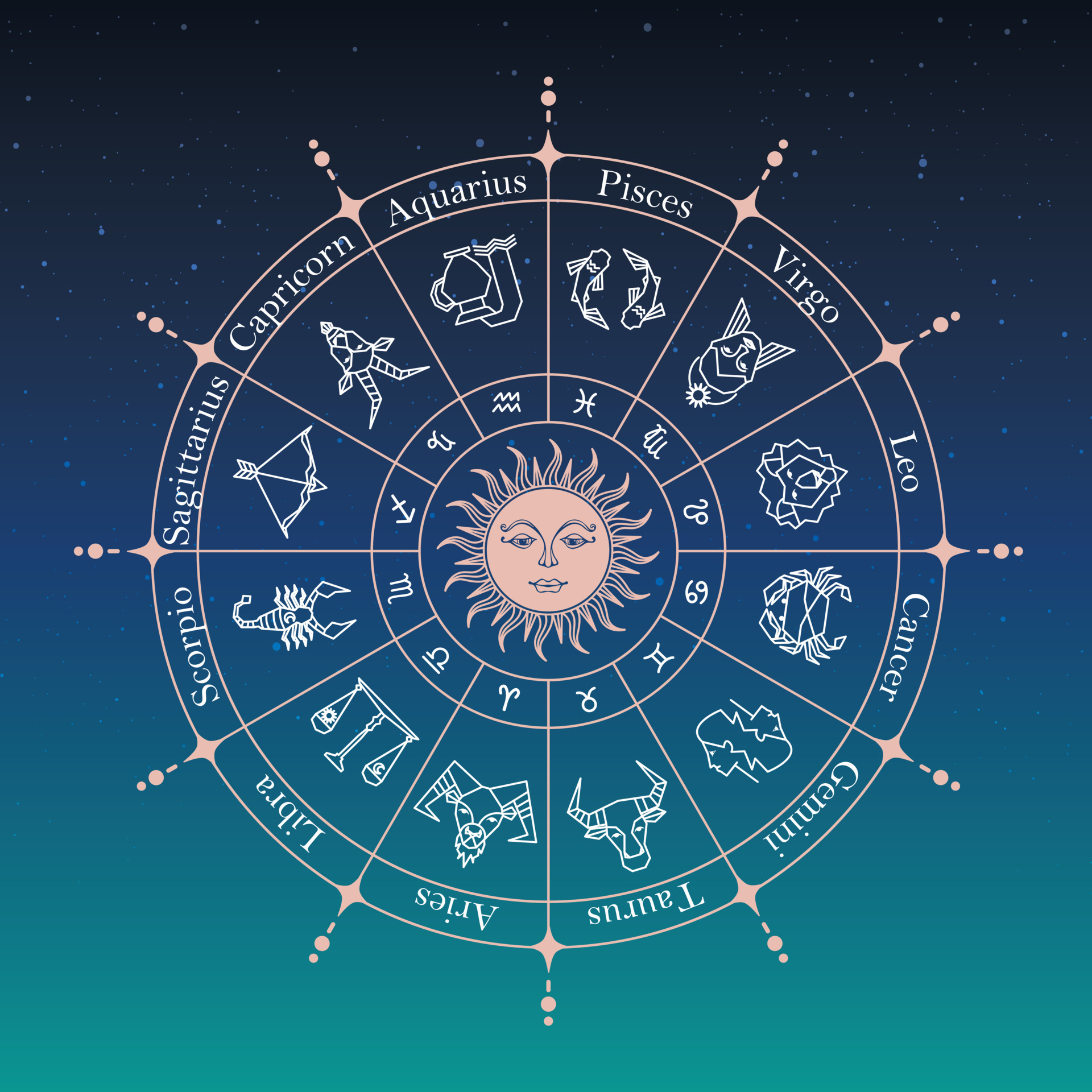
Astrology provides a vocabulary for emotions. When someone describes themselves as a “classic Scorpio” or a “typical Leo,” they’re often communicating a boundary or a personality trait that feels hard to articulate. It’s a social shorthand that fosters immediate connection in a world where genuine intimacy is often filtered through screens.
How is “Astrology 2.0” integrating with technology?
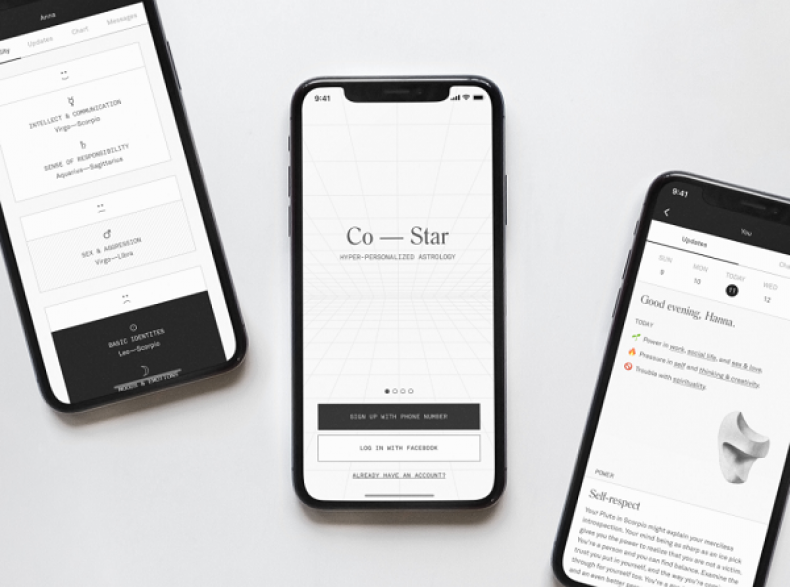
The transition from print to pixels has changed how we consume celestial guidance. Apps like Co-Star and The Pattern have moved away from vague predictions. Instead, they use NASA data and complex algorithms to provide hyper-personalized “birth charts” that analyze the exact position of planets at the moment of birth.

We’re seeing a convergence of AI and mysticism. Future trends suggest a move toward “Predictive Wellness,” where AI analyzes your astrological transits alongside your wearable health data (like sleep patterns from an Oura ring or Apple Watch). Imagine an app telling you that because Mercury is in retrograde and your cortisol levels are high, today is the perfect day for a low-stimulation walk rather than a high-stakes boardroom meeting.
The shift from prediction to prescription
Traditional astrology told you what would happen. Modern astrology tells you how to handle what is happening. This is a critical distinction. It turns a passive experience into an active one, aligning closely with the goals of cognitive behavioral therapy (CBT) by encouraging users to identify patterns in their behavior.
What happens when spirituality meets the corporate world?
It’s no longer just for the “crystal crowd.” Corporate wellness programs are starting to acknowledge the value of “mindset shifts.” While CEOs might not put a zodiac chart in the employee handbook, they are adopting the core tenets of astrological timing—understanding the ebb and flow of energy and productivity.

Contrast this with the 1990s, where astrology was relegated to the “lifestyle” section of tabloids. Today, it’s a billion-dollar industry. The “Mystical Services” market is growing because it fills a gap that traditional medicine and corporate structure ignore: the need for cosmic belonging and existential meaning.
For more on managing your mental state during stressful periods, check out our guide on mindfulness techniques for high-pressure environments.
Comparing Traditional vs. Psychological Astrology
The way we interpret “promise” in a horoscope has changed. Here is how the approach has evolved:
| Feature | Traditional Astrology | Psychological Astrology |
|---|---|---|
| Focus | Fate and Prediction | Growth and Archetypes |
| Goal | Avoid bad luck/Find wealth | Self-awareness/Healing |
| Delivery | Generic daily columns | Data-driven birth charts |
Frequently Asked Questions
Is astrology considered a science?
No. Astrology is a pseudoscience. It lacks empirical evidence and a peer-reviewed mechanism. However, as Psychology Today often explores, its value lies in its utility as a tool for introspection and narrative-building, not as a predictive science.
Can astrology actually help with mental health?
While it isn’t a replacement for therapy, it can act as a “gateway” to mindfulness. By focusing on their “signs,” people often begin the process of identifying their strengths and weaknesses, which is the first step in any therapeutic journey.
Why do some people find horoscopes so accurate?
This is largely due to confirmation bias—the tendency to remember the hits and forget the misses. When a horoscope mentions “promise” or “conflict,” the human brain naturally scans the day for an event that fits that description.
Do you rely on your zodiac sign to make big life decisions, or do you view it as a fun curiosity?
Share your thoughts in the comments below or subscribe to our newsletter for more insights into the intersection of wellness and modern living.