
A Year in the Kimberley: One of Earth’s Last Great Tropical Wildlands
The Kimberley’s Wild Heart: A Year in the Life of Earth’s Last Great Tropical Wildland
The Kimberley region of northwest Australia spans 400,000 square kilometers, a vast tropical wilderness where First Nations communities have lived for over 50,000 years. This land, known as Country, is defined by extreme climates, unique biodiversity, and a cultural heritage that shapes its survival. But today, it faces unprecedented threats from mining, water extraction, and climate change, according to the Martuwarra Fitzroy River Council.
What Makes the Kimberley Unique?
The Kimberley’s biodiversity is unmatched. Over 40 frog species call the region home, with a quarter found nowhere else on Earth. The Martuwarra (Fitzroy River), one of the last free-flowing rivers on the planet, sustains ecosystems and First Nations communities alike. “The river is a living entity,” says Mark Coles Smith, a Nyikina elder and advocate for the Martuwarra. “It’s the cause of countless generations of life.”
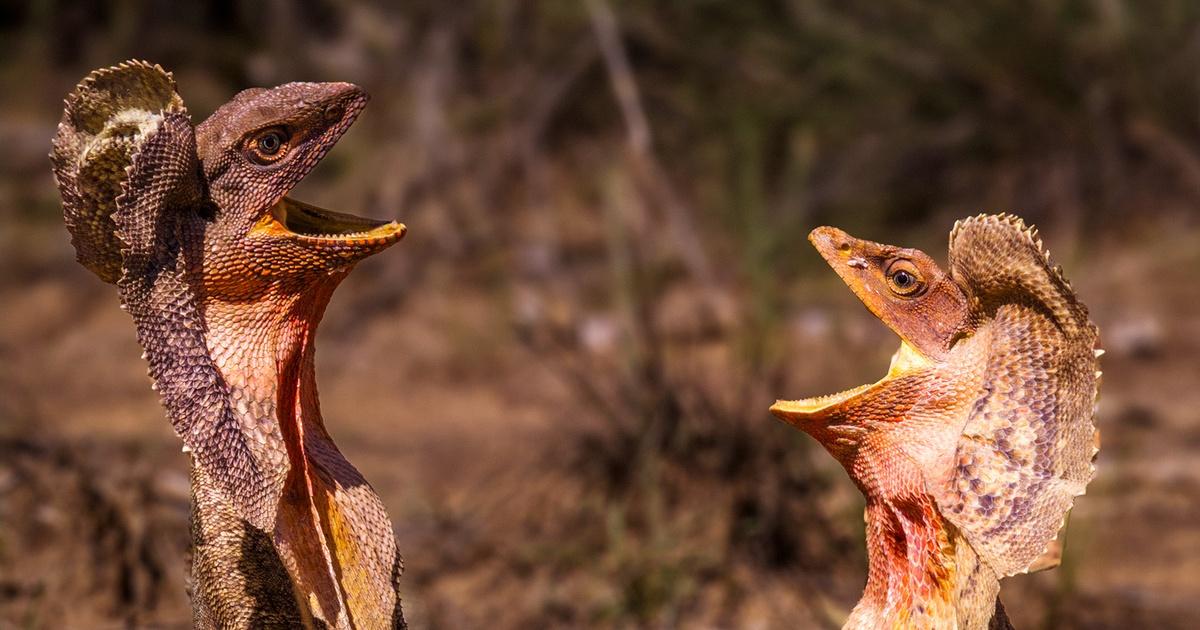
Seasonal cycles dictate life here. During the dry season, known as Lalin, water becomes a scarce resource. Animals like wallabies and crocodiles battle for survival, while frill-necked lizards like Gulamana prepare to lay eggs. “The dry season tests every creature,” says ecologist Ian Bool. “But it’s also a time of preparation for the wet season’s abundance.”
How Are First Nations Communities Protecting Their Land?
First Nations leaders have formed the Martuwarra Fitzroy River Council to safeguard the region. The coalition works to balance traditional knowledge with modern conservation efforts. “We don’t just protect the river; we speak to it,” says Coles Smith. “It’s not ours to own, but it’s ours to care for.”
Recent threats include proposed mining projects and water extraction plans. “The Kimberley is being targeted for activities that could destroy its ecosystems,” warns the council. “We’re fighting to preserve this land for future generations.”
What Happens During the Wet Season?
The wet season, Wilakarra, transforms the Kimberley. Rainfall revives rivers, wetlands, and wildlife. Migratory birds like brolgas and magpie geese arrive to feast on tubers and fish. Crocodile hatchlings emerge, though only 1% survive to adulthood. “Life here is brutal, but resilient,” says Bool. “Every species has adapted to these extremes.”
Scientists and Indigenous guides collaborate to study the region. Expeditions reveal hidden biodiversity, from rare frogs to ancient rock formations. “These tributaries are refuges,” says Bool. “They sustain life through cycles of drought and flood.”
Why Does the Kimberley Matter to the World?
The Kimberley’s ecosystems provide critical insights into climate resilience. Its rivers support species like the Kimberley spadefoot frog, which survives droughts by burrowing underground. “These adaptations could inform global conservation strategies,” says Bool. “But we need to act before it’s too late.”
Climate change is already altering the region. Rising temperatures and unpredictable rainfall patterns threaten both wildlife and Indigenous communities. “The Kimberley’s story is a microcosm of Earth’s challenges,” says Coles Smith. “It’s a reminder of what’s at stake.”
FAQ: Answers to Common Questions
What is the Martuwarra Fitzroy River Council?
The Martuwarra Fitzroy River Council is a coalition of First Nations leaders working to protect the Kimberley’s river systems. They advocate for the river’s rights and collaborate with scientists to document its biodiversity.
How does climate change affect the Kimberley?
Climate change intensifies droughts and alters rainfall patterns, stressing ecosystems and communities. Rising temperatures also threaten species like the frill-necked lizard, which relies on specific climate conditions to breed.
Why is the Kimberley’s biodiversity unique?
The region’s isolation and extreme environments have led to evolutionary adaptations found nowhere else. Over 40 frog species, including the Kimberley spadefoot, thrive in this landscape, showcasing its ecological significance.
Did You Know?
The Kimberley’s wetlands are so biodiverse that they host over 10 frog species in a single night. Yet, 80% of the region remains unsurveyed by Western scientists, highlighting the need for more research.

Pro Tip
Support Indigenous-led conservation efforts. Organizations like the Martuwarra Fitzroy River Council rely on community engagement and advocacy to protect the Kimberley’s ecosystems.
Call to Action
Learn more about the Kimberley’s challenges and solutions. Explore the Martuwarra Fitzroy River Council’s website or read about First Nations environmental stewardship. Your awareness can help preserve one of Earth’s last great wildlands.