

Abortion Bans Force Doctors to Delay Pregnancy Care and Endanger Lives
A new study published Monday by public health researchers highlights how total abortion bans in nine U.S. states are disrupting standard pregnancy care, according to findings shared with medical professionals. The research, conducted by five researchers affiliated with top hospitals and universities, found that doctors in obstetrics, family medicine, and emergency care are delaying treatment for conditions like ectopic pregnancies and early pregnancy loss due to legal uncertainty. These delays, the study says, endanger patients and erode physician-patient trust.
The study interviewed 40 doctors in Alabama, Idaho, Indiana, Kentucky, Mississippi, Oklahoma, Tennessee, Texas, and West Virginia—states with total abortion bans. Physicians reported needing additional lab testing and institutional approvals for procedures, even in life-threatening cases. In one instance, a mother with severe heart failure at 21 weeks required letters from cardiology and legal counsel before a cesarean birth was approved. Another doctor described performing an abortion-like procedure for a molar pregnancy while fearing legal repercussions.
Why It Matters
The study links total abortion bans to a near-doubling of pregnancy-related mortality risks for women in affected states, with Black patients facing more than three times the mortality risk compared to white patients. Researchers also warn of long-term consequences, including worsened healthcare inequities and reduced capacity to provide safe pregnancy care. The findings underscore tensions between legal frameworks and medical practice, as physicians navigate evolving state laws while prioritizing patient safety.
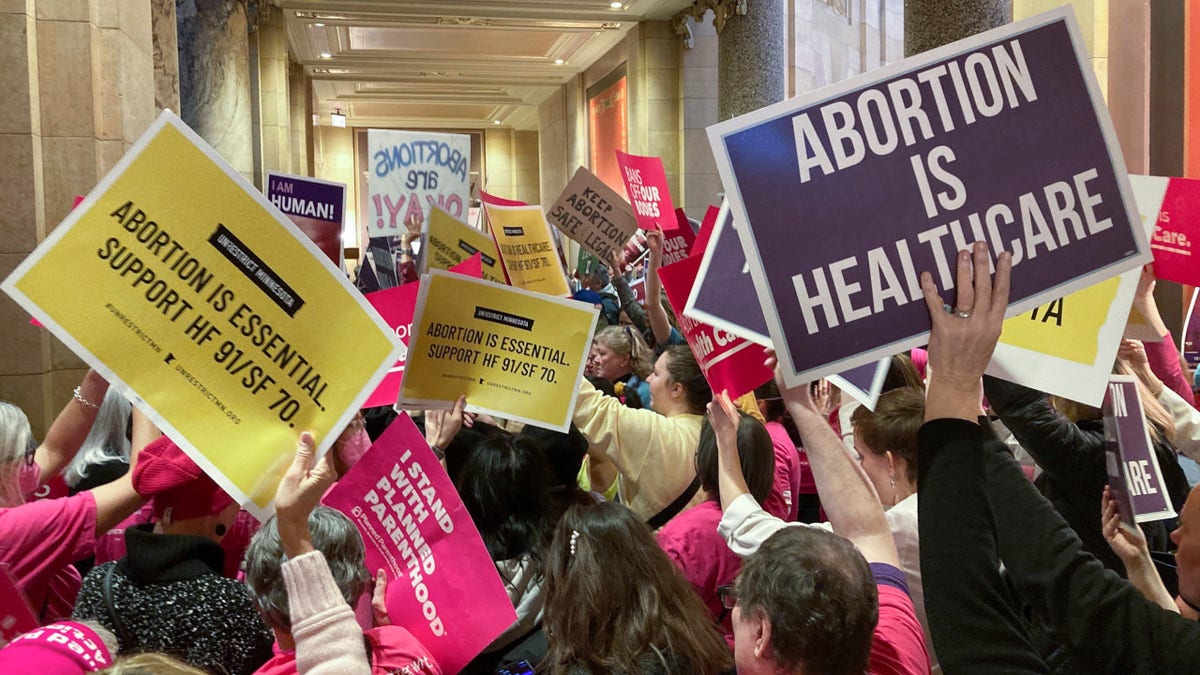
What May Happen Next
Legal challenges to abortion bans could intensify as healthcare providers face further restrictions. States with gestational limits may see increased scrutiny over procedures like ectopic pregnancy management. The study’s authors suggest policymakers could face pressure to address disparities in maternal care, though any legislative action would depend on political shifts. Employers in affected states may also reassess workforce strategies amid reports of talent shortages linked to restrictive policies.
Frequently Asked Questions
What states are included in the study? The research focused on nine states with total abortion bans: Alabama, Idaho, Indiana, Kentucky, Mississippi, Oklahoma, Tennessee, Texas, and West Virginia. A separate count identified 13 states with similar restrictions, including South Dakota, North Dakota, and Louisiana.
How do abortion bans affect maternal mortality? The study found that pregnant women in states with total abortion bans are nearly twice as likely to die during pregnancy, childbirth, or the postpartum period. Black patients face more than three times the mortality risk compared to white patients in these states.
What economic impact do abortion restrictions have? A separate report estimated the average annual economic cost of abortion restrictions at $140 billion, a $7 billion increase from the previous year. This figure includes factors like reduced workforce participation and increased healthcare expenses.
How might healthcare providers adapt to ongoing legal uncertainties?