
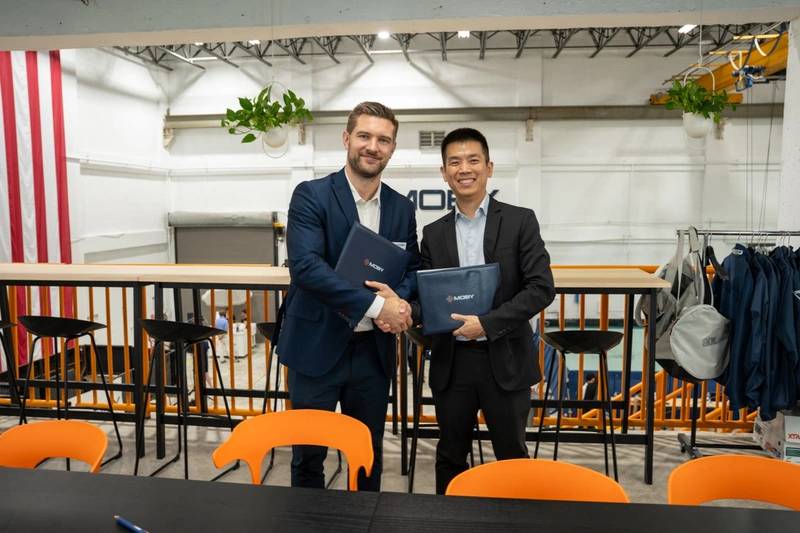
ABS And MOBY Robotics Sign Mou On Subsea Mining
ABS and MOBY Robotics Inc. have signed a memorandum of understanding (MoU) to develop and certify autonomous robotic systems for subsea mining and offshore mineral transport. According to the agreement, ABS will provide the certification, technical review, and classification framework needed to ensure MOBY’s autonomous platforms meet safety and engineering standards for critical mineral extraction.
How will ABS and MOBY Robotics scale subsea mining?
The partnership establishes a formal framework for ABS to support MOBY in the development and eventual classification of autonomous robotic systems. ABS will use its “Requirements for Subsea Mining” and “ABS Offshore Rules” to vet these technologies, according to the company.
Under the terms of the MoU, MOBY provides technical documents and design submissions. ABS reviews these to issue statements of maturity and “approvals in principle” for various subsystems. This process allows the companies to identify necessary standards for autonomous subsea and surface robotics before full-scale deployment.
What technologies are being certified for offshore mineral transport?
The collaboration targets a full chain of mineral recovery. According to the MoU, the focus areas include:
- Subsea and surface robotics: Autonomous systems designed for deep-ocean navigation and extraction.
- Vertical lifting systems: The mechanism used to transport minerals from the seabed to the surface.
- Production platforms: Ocean surface systems used for the storage and offloading of critical minerals.
- Transport vessels: Specialized surface ships designed to move minerals from offshore sites to land.
Alexander Petersen, Co-Founder and CEO of MOBY Robotics, stated that meeting high engineering and operational standards is “non-negotiable” as the company scales platforms for defense, offshore infrastructure, and critical minerals.
Why does autonomous certification matter for the deep-sea industry?
Deep-sea environments present extreme pressures and corrosive conditions that can cause catastrophic equipment failure. Michael Kei, ABS Vice President of Technology, noted that the industry requires “clear pathways” to assess novel systems with technical rigor and safety at the forefront.
Without a standardized classification process, autonomous systems struggle to gain insurance or regulatory approval. By integrating ABS’s technical reviews early, MOBY reduces the risk of design flaws that could lead to environmental accidents or loss of expensive assets. This shift toward autonomous certification mirrors trends seen in the International Maritime Organization (IMO)‘s ongoing discussions regarding Maritime Autonomous Surface Ships (MASS).
What happens next for autonomous mineral extraction?
The immediate next step involves the submission of MOBY’s design documents for ABS review. This will likely lead to the creation of new industry guidelines for autonomous robotics, as the two organizations have pledged to work together to identify these standards.
The demand for critical minerals—such as cobalt, nickel, and manganese—is driving the urgency. These materials are essential for battery technology and the energy transition. By automating the transport and extraction process, companies aim to reduce the cost and human risk associated with ultra-deepwater operations.
Frequently Asked Questions
What is the main goal of the ABS and MOBY Robotics MoU?
The goal is to create a pathway for the development, certification, and classification of autonomous robots used in subsea mining and mineral transport.
Which specific ABS rules apply to this partnership?
The project follows the ABS Requirements for Subsea Mining and the ABS Offshore Rules.
What are “critical minerals” in the context of subsea mining?
These are minerals like cobalt and nickel, often found in polymetallic nodules on the ocean floor, which are vital for high-tech electronics and green energy batteries.
Join the Conversation: Do you think autonomous robotics will make deep-sea mining safe enough for wide-scale adoption, or are the environmental risks too high? Let us know in the comments below or subscribe to our newsletter for more updates on maritime tech.