
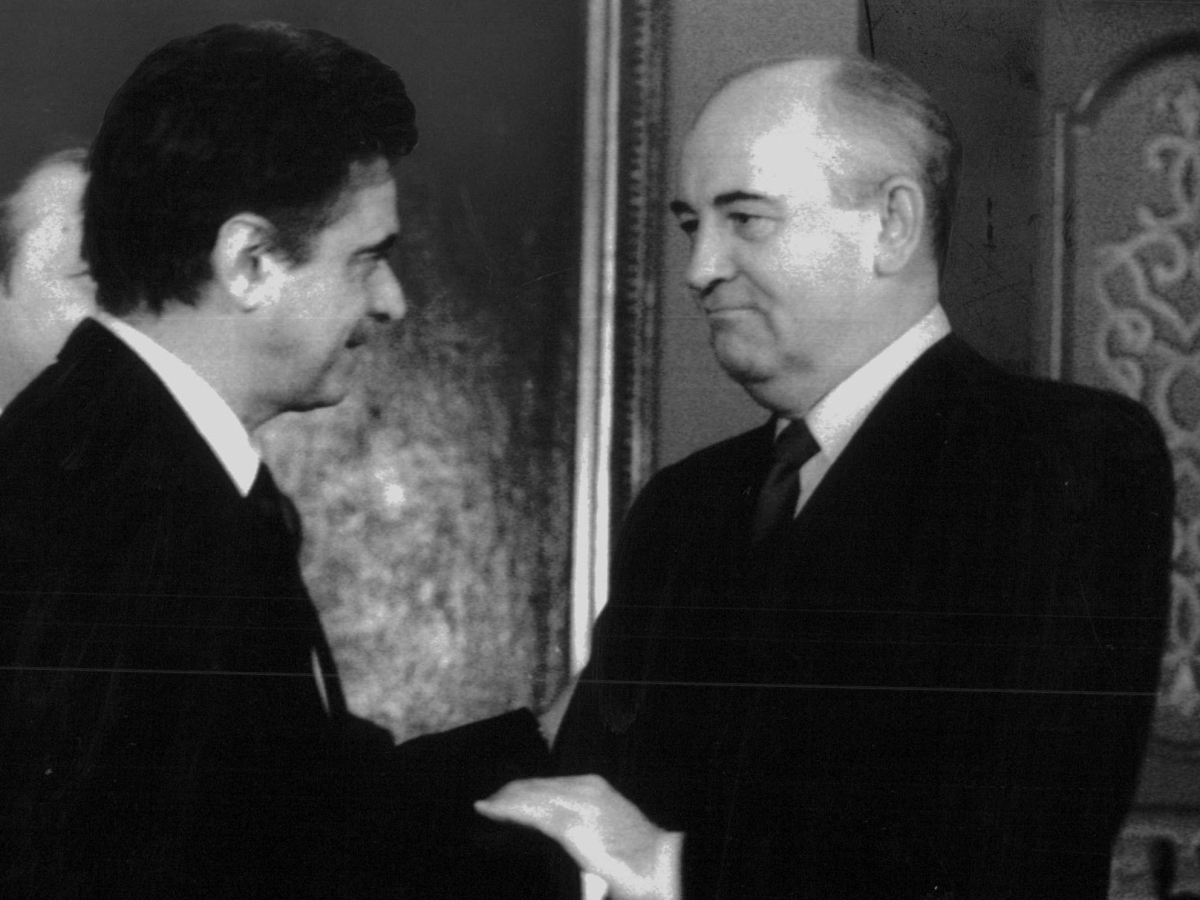
Achille Occhetto: The Gorbachev Meeting and the PCI Turning Point
Achille Occhetto, the final secretary of the Italian Communist Party (PCI), revealed that three senior party officials attempted to lobby Mikhail Gorbachev against his proposed “Svolta”—the fundamental shift that led to the party’s dissolution and rebranding—during a state visit to Rome on November 30, 1989. According to Occhetto, Gorbachev refused to meet with the trio, who were later identified as Armando Cossutta, Pietro Ingrao, and Aldo Tortorella, marking a departure from historical Soviet interference in Italian party affairs.
The 1989 Confrontation
Occhetto recalls that while preparing to greet the Soviet leader, he feared potential opposition to his reformist agenda. Gorbachev, however, informed him privately that he had declined a request from three prominent PCI figures to speak with him earlier that morning. Occhetto states that Gorbachev’s refusal to engage with the dissidents signaled a shift in political protocol; the Soviet leader explicitly avoided intervening in the PCI’s internal debates, a departure from the “guiding party” role the Soviet Union had historically assumed.
Did You Know? Before the 1989 “Svolta,” former PCI leader Enrico Berlinguer had already considered changing the party’s name and identity, as evidenced by a private discussion he once held with Occhetto during a trip to Sicily.
Historical Context and External Scrutiny
Occhetto’s account of his interactions with Gorbachev extends back to 1987, when he visited Moscow as the deputy to then-secretary Alessandro Natta. During that visit, he encountered resistance from Kremlin hardliners like Egor Ligaciov, who maintained that the Soviet system was functioning perfectly. In contrast, Gorbachev’s private conversations with Occhetto emphasized the “terribly difficult” contradictions within the Soviet party and his own admiration for European social democratic models.
Declassified documents from the U.S. embassy in Moscow, reported by Ambassador Jack Matlock, suggest that American officials monitored the PCI during this period. Records indicate that some within the PCI suspected Occhetto sought “instructions” from Gorbachev regarding the party’s upcoming 18th Congress. Occhetto vehemently denies this, stating that seeking permission from Moscow would have been “naive or foolish.”
Expert Insight
Expert Insight: The transition of the PCI represents a unique case study in political evolution. By refusing to act as an arbiter for the Italian hardliners, Gorbachev effectively stripped the “old guard” of their ultimate lever of power: the direct support of the Soviet Union. This highlights the fragility of ideological systems when their primary external sponsor pivots toward reform, ultimately leaving domestic party factions to resolve their internal conflicts without a traditional “guiding” authority.
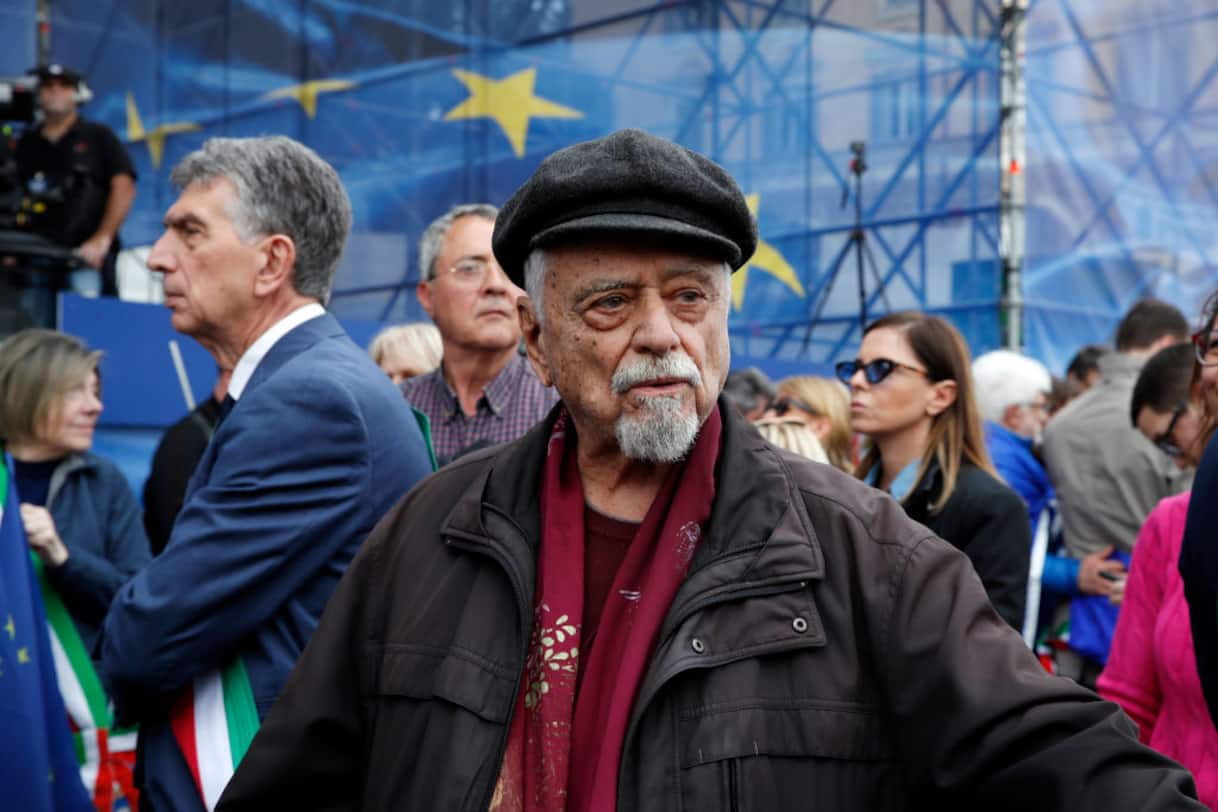
The Aftermath of the Svolta
Occhetto argues that the eventual collapse of the Soviet system was not inevitable but was accelerated by a failure to reconcile socialism with democratic ideals. He notes that the Russian population, disillusioned by years of authoritarianism, proved unwilling to support Gorbachev’s reformist vision. Occhetto also suggests that Western powers contributed to the ensuing power vacuum by favoring a transition that ultimately led to new forms of authoritarianism rather than democratic stability.
Frequently Asked Questions
Who were the three PCI leaders who tried to speak with Gorbachev?
According to Achille Occhetto, the three officials were Armando Cossutta, Pietro Ingrao, and Aldo Tortorella.
Did Gorbachev provide Occhetto with the names of the dissidents?
No. Occhetto states that Gorbachev remained professional and did not disclose their identities during their conversation; he learned who they were later.
Was the “Svolta” initiated because of instructions from Moscow?
Occhetto denies this, stating he never asked for instructions from Moscow and that the decision to reform the party was an internal Italian initiative.
How do you interpret the impact of external political pressure on the evolution of national parties during the Cold War?