
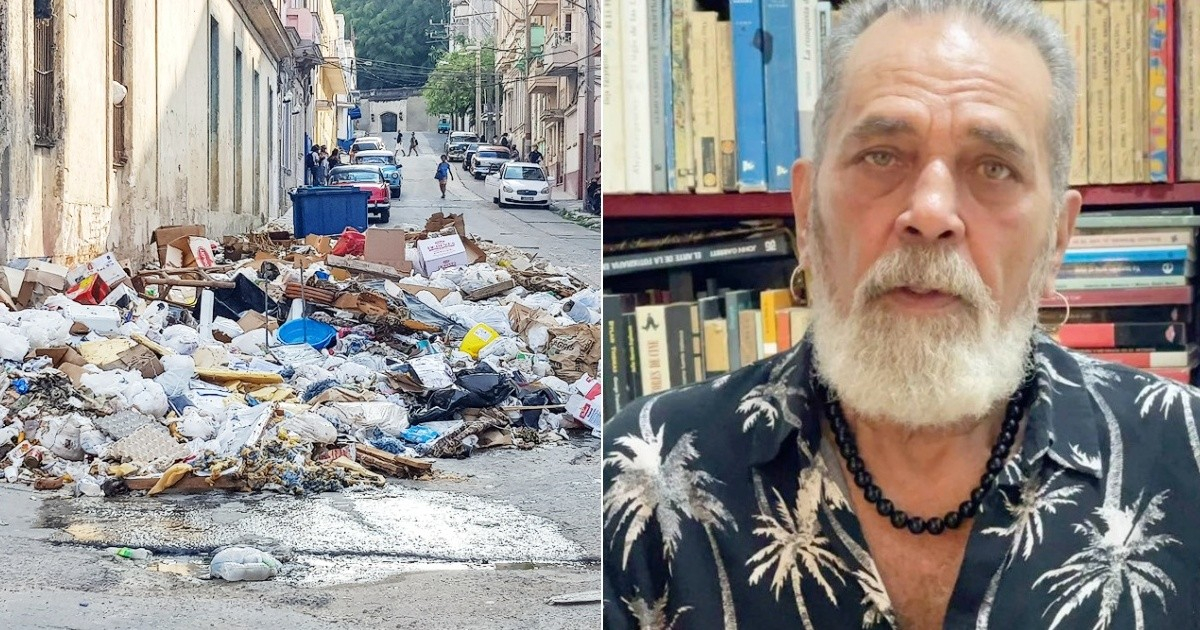
Actor Luis Alberto García Alerta sobre Inminente Colapso Sanitario en Cuba por Epidemias
Cuban actor Luis Alberto García Novoa has issued a public warning regarding a potential epidemiological collapse in Cuba as the country enters the summer months. According to social media statements released by the actor, the convergence of high temperatures, inadequate waste management, and vector-borne disease risks could lead to a significant surge in illnesses similar to dengue fever.
In February 2026, only 44 of the 106 garbage collection trucks in Havana were operational, despite the city producing between 24,000 and 30,000 cubic meters of waste daily.
Official Health Warnings and Current Risks
The concerns raised by García align with recent statements from the Cuban Ministry of Public Health (Minsap). On June 12, 2026, Vice Minister of Public Health Carilda Peña stated that the country faces a risk of localized outbreaks if factors favoring the Aedes aegypti mosquito are not addressed. According to Peña, the circulation of all four dengue serotypes creates a climate where a major epidemic is possible without immediate corrective action.
Health authorities in Matanzas confirmed the first cases of dengue for the 2026 season on June 12. Officials also reported a number of suspected cases currently under surveillance, which they characterized as significant. These reports coincide with a broader trend of rising health concerns, including the expansion of hepatitis A across provinces such as Havana, Santiago de Cuba, Ciego de Ávila, and Camagüey.
Samantha Carter notes that the intersection of infrastructure failures—specifically electricity shortages that force water storage in containers—creates an ideal breeding environment for the Aedes aegypti mosquito. The historical data from 2025, which recorded 81,909 cases of dengue and chikungunya, suggests that current systemic vulnerabilities, such as limited waste collection and power outages, are directly linked to the country’s capacity to contain these annual seasonal surges.
Context of the Health Crisis
The current situation follows a difficult 2025 health cycle. Data from the Pan-American Health Organization (OPS) indicates that 2025 concluded with at least 81,909 cases of dengue and chikungunya, resulting in 65 deaths. The Ministry of Public Health officially declared a dengue epidemic in November 2025, months after the initial outbreaks were identified.
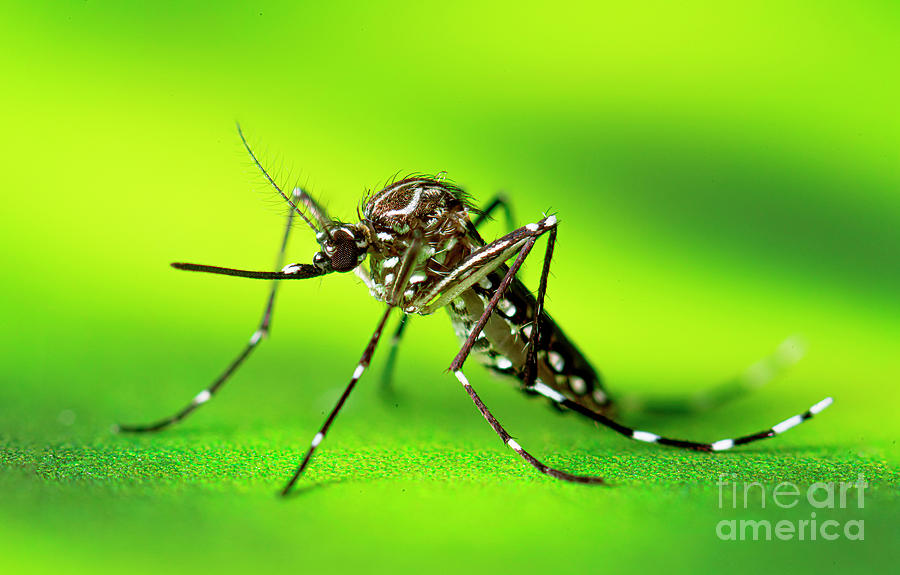
García’s recent public interventions highlight the connection between these health risks and the country’s broader social and economic conditions. In his statements, he noted that the lack of consistent electricity forces families to store water, which often becomes a breeding ground for mosquitoes. He further challenged the perspective that external embargoes are the sole cause of the current domestic crisis, urging government officials to address the internal management of resources.
What May Happen Next
As Cuba moves into July and August, which are typically characterized by higher heat and humidity, health risks associated with the Aedes aegypti mosquito are likely to increase. If current waste management and water storage issues persist, analysts suggest that the frequency of vector-borne diseases may rise, potentially straining the existing public health system beyond its current capacity. The continuation of power outages remains a critical factor in how families manage water, directly impacting the transmission rates of illnesses.
Frequently Asked Questions
What is the primary health risk identified for the summer of 2026?
The primary risk is a potential epidemic of vector-borne diseases, specifically dengue, driven by the Aedes aegypti mosquito, according to Minsap and public warnings.
How do power outages contribute to the spread of disease?
Intense power outages force households to store water in containers, which, if not properly managed, serve as breeding sites for mosquitoes that transmit diseases.
What is the current status of waste collection in Havana?
As of February 2026, only 44 of Havana’s 106 garbage collection trucks were operational, while the city continues to produce up to 30,000 cubic meters of waste daily.
What steps do you believe are most critical for public health authorities to take before the peak of the summer season?