

ADA CEO Apologizes for Expelling Members Over NIH Funding Protest
American Diabetes Association CEO Charles Henderson apologized Wednesday to five members expelled from the organization’s annual scientific sessions in New Orleans. The members were escorted out by security for distributing an editorial criticizing federal research cuts to the National Institutes of Health, according to reports.
Why were ADA members expelled from the New Orleans meeting?
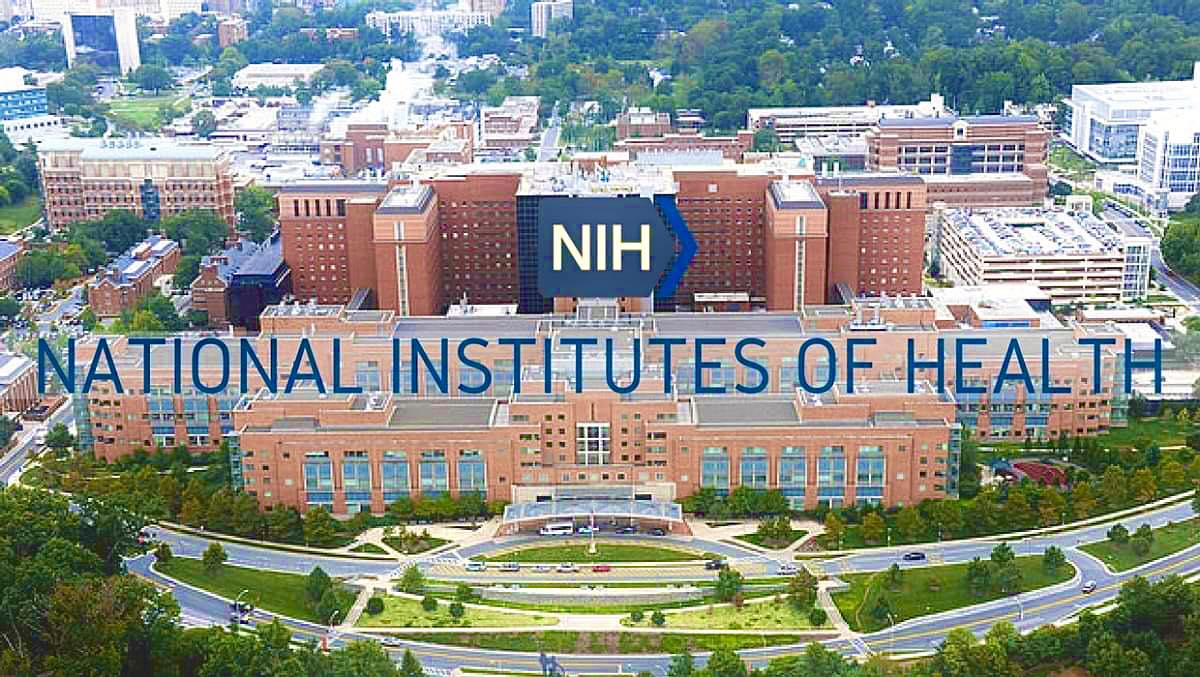
Police and security officers marched five members out of the conference center after they handed out an editorial criticizing the National Institutes of Health (NIH). The editorial, which appeared in one of the ADA’s own journals, expressed concern over diminished funding and changes to the NIH grant-making process.
The document was labeled as the views of its authors rather than the ADA. Members distributed the copies in the hall where NIH senior adviser Richard Woychik was speaking. Woychik filled the keynote slot after NIH Director Jay Bhattacharya backed out of the event.
How did the ADA and medical community respond?
CEO Charles Henderson issued a three-minute video apology to the broader diabetes community and the five expelled individuals: Dr. Steven Kahn, Dr. Desmond Schatz, Dr. Aaron Kelly, Dr. Maureen Gannon, and Dr. Justin Ryder. Henderson stated he was “deeply sorry” for the pain, frustration, and hurt resulting from the event.
Reactions from the medical community varied. John Buse, a former ADA president, told STAT on Monday that the incident was “inconceivable.” While he called the apology a “great first step” on Wednesday, Buse noted that explicit clarification of staff policies and member rights is needed.
Mark Atkinson, a professor of pathology at the University of Florida and ADA eminent scholar, resigned his position as chair of the scientific session committee on Saturday. Atkinson stated that the situation serves as a “wake-up call” for the community to find better ways to make their voices heard.
What happens next for the American Diabetes Association?
The ADA has commissioned a review of the Friday events and the subsequent response. Early messages from the organization defended the removals and cited IRS rules governing 501(c)(3) organizations before the CEO’s apology.
Henderson stated that trust must be earned back through actions. A possible next step could involve the implementation of new policies regarding member rights, as suggested by John Buse.
The organization may continue to face skepticism from some members. Jay Skyler, an endocrinologist at the University of Miami Miller School of Medicine, described the apology as “too little, and way too late.”
Frequently Asked Questions
Who were the members expelled from the session?
The members were Dr. Steven Kahn, Dr. Desmond Schatz, Dr. Aaron Kelly, Dr. Maureen Gannon, and Dr. Justin Ryder.
What was the content of the distributed editorial?
The editorial expressed concern regarding diminished funding and changes to the grant-making process at the National Institutes of Health.
What action has the ADA taken to address the incident?
The ADA CEO issued a video apology and the organization has commissioned a review of the events that took place on Friday and the following weekend.
How should professional medical associations balance institutional funding needs with the free speech of their members?