
Africa CDC chief warns of difficult operating environment as Ebola outbreak expands-Xinhua
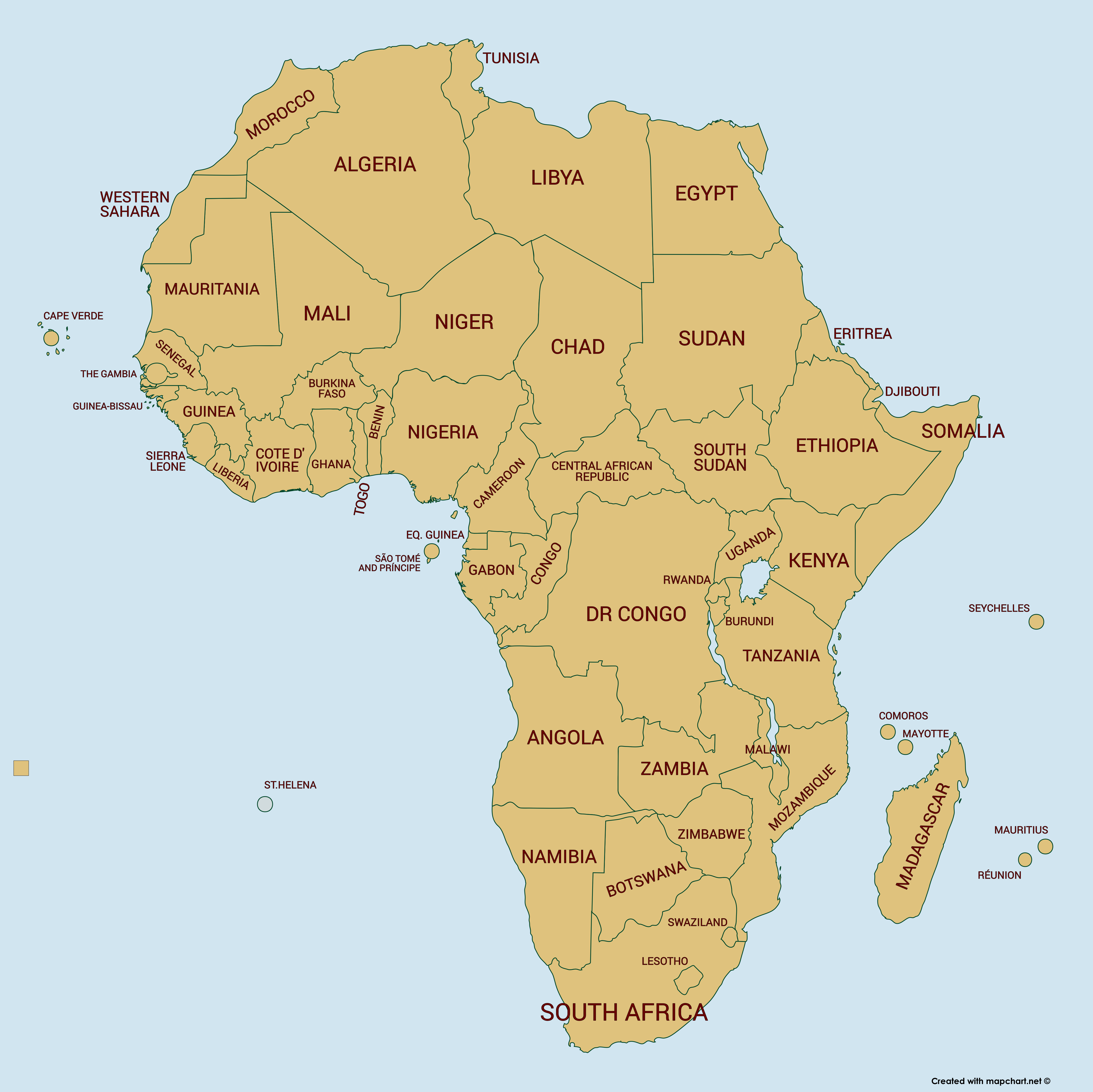
The Ebola outbreak currently affecting the Democratic Republic of the Congo (DRC) and Uganda has reached 827 confirmed cases and 194 deaths, according to Africa CDC data. Director General Jean Kaseya reports that the response is facing significant operational hurdles, as the virus spreads across 31 health zones in the DRC and one district in Uganda.
The current outbreak involves the Bundibugyo strain of the Ebola virus, for which there is currently no approved vaccine or specific treatment, making traditional public health interventions the primary defense.
Operational Challenges and Constraints
Response efforts are currently hampered by a “difficult operating environment,” according to Africa CDC Director General Jean Kaseya. Critical gaps include a lack of trained response personnel, insufficient laboratory capacity, and shortages of essential supplies like ambulances and infection prevention materials. These logistical failures are further exacerbated by insecurity in affected regions, which complicates the safe transport of medical samples and the delivery of supplies.
The combination of regional insecurity and high population mobility creates a high-stakes environment where traditional containment measures—such as contact tracing and isolation—are consistently disrupted. Without the ability to maintain stable health corridors, the risk of transmission across borders remains a significant concern for regional health authorities.
Response Strategy and Future Outlook
To combat the spread, the Africa CDC is working alongside the World Health Organization (WHO) and local governments to prioritize community engagement and active case finding. Officials are currently advising against trade and travel restrictions, emphasizing that keeping health and humanitarian corridors open is essential for the response.
Analysts suggest that if the current operational gaps in financing and logistics are not addressed, the outbreak may continue to expand in regions with fragile health systems. A possible next step for international partners involves the rapid mobilization of flexible financing to reinforce surveillance and support frontline workers. Future outcomes depend heavily on the ability to maintain community trust and strengthen preparedness systems that can withstand the current emergency.
Frequently Asked Questions
What is the current death toll of the outbreak?
According to Africa CDC data, there have been 194 deaths reported across the DRC and Uganda.
Why are travel and trade restrictions being discouraged?
The Africa CDC and WHO advise against such restrictions to ensure that health and humanitarian corridors remain functional for the delivery of supplies and medical support.
What measures are being used to stop the transmission?
Because no approved vaccine or specific treatment exists for the Bundibugyo strain, officials are relying on early detection, rapid isolation, contact tracing, and safe care practices.
What strategies do you believe are most effective in maintaining community trust during a public health crisis?