

Africa: What the Global Partnerships Conference and World Health Assembly Tell Us About the Future of Global Health
The New Era of Global Health: Why Local Leadership is the Future
For decades, international development followed a top-down model. Global health organizations would swoop into nations with pre-packaged solutions, often bypassing the very people they intended to help. However, a seismic shift is underway. From the high-level corridors of London’s Global Partnerships Conference to the policy halls of the World Health Assembly in Geneva, the consensus is clear: the future of health equity is local.

Shifting Power: Moving Beyond “Delivery” to Systems Strengthening
The traditional model of “delivering” medicine is being replaced by a commitment to “strengthening systems.” This isn’t just a semantic change—It’s a fundamental shift in how resources are allocated. The goal is to move power and funding closer to the ground, where community health workers, local civil society organizations, and national governments can make decisions based on the realities they face daily.
Consider the fight against malaria. For years, the focus was on distributing bed nets. While effective, this ignored the underlying need for robust supply chains, data management, and primary healthcare infrastructure. By investing in these local systems, we don’t just tackle malaria; we build a resilient foundation capable of detecting the next pandemic, managing climate-related health shocks, and ensuring routine care continues during crises.
Why Fragmented Action is a Relic of the Past
In the past, global health agendas were often siloed. A donor might fund an initiative for HIV, while another focused on maternal health, and a third on pandemic preparedness. This fragmentation creates inefficiencies. The modern approach treats these as connected priorities. If a country has a strong, integrated health system, it is inherently better prepared for any health threat, whether it is an Ebola outbreak or antimicrobial resistance.
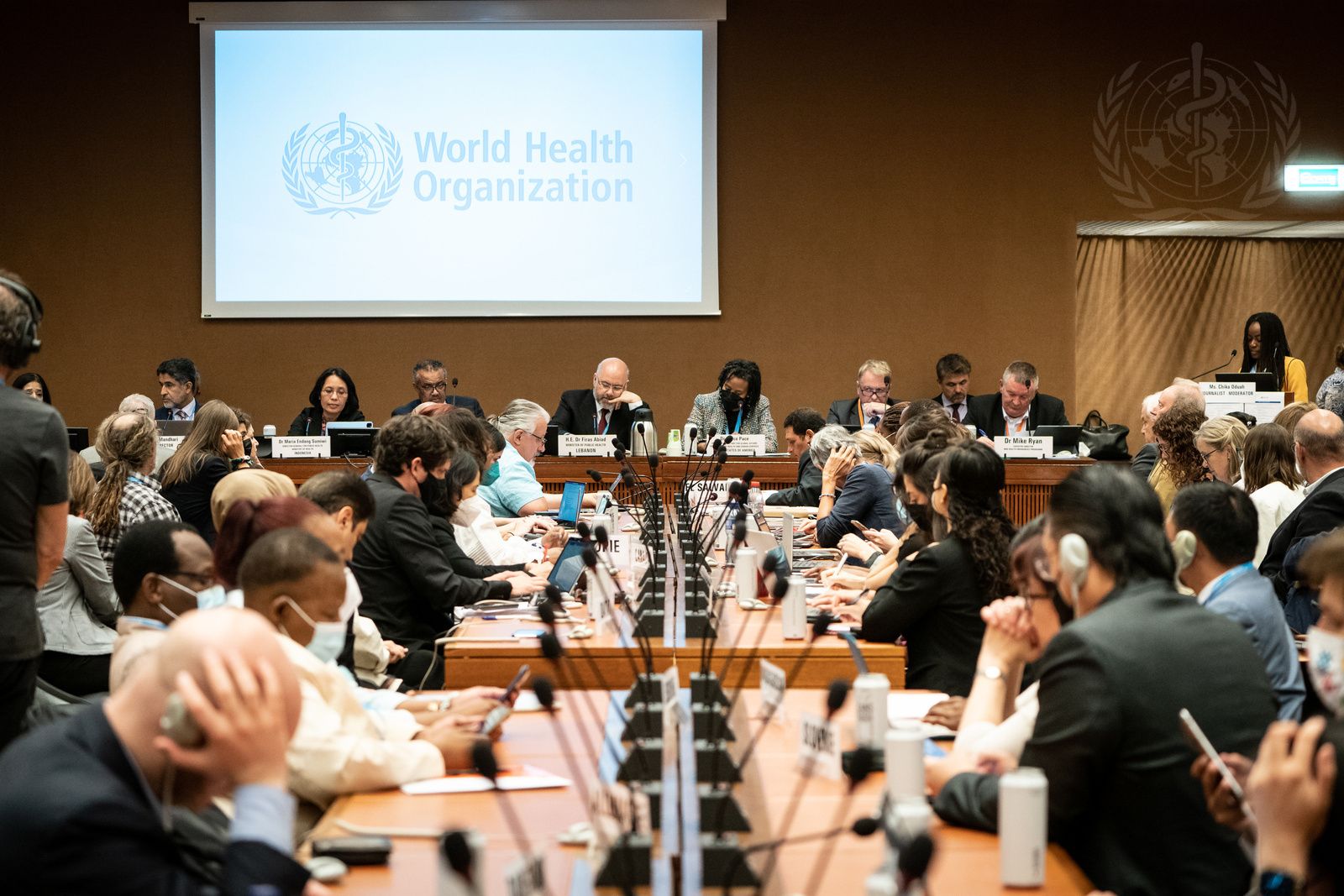
As World Health Organization discussions have highlighted, pandemic preparedness is no longer a niche topic. It is an economic and social imperative. When health systems are treated as an investment in human capital—rather than a line item for disease control—national development accelerates.
The Economics of Equitable Partnerships
Financial sustainability is the final piece of the puzzle. We are seeing a move away from dependency-based funding toward “equitable partnerships.” This means that international organizations act as supporters rather than substitutes for local leadership. When funding flows directly to local actors, it fosters innovation and accountability that is often lost in international bureaucracy.
Frequently Asked Questions (FAQ)
- What is meant by “locally led” global health?
- It means shifting decision-making power and financial resources to local and national actors who understand their community’s specific needs, rather than relying on international NGOs to run programmes.
- Why is this shift happening now?
- The COVID-19 pandemic exposed the fragility of global supply chains and the importance of strong national health systems, forcing a re-evaluation of how international cooperation is structured.
- How does this affect disease control, like malaria?
- By strengthening local systems—such as primary care and data surveillance—we create a “dual-purpose” infrastructure that fights specific diseases while simultaneously improving general health outcomes.
Looking Ahead: A Call for Sustained Investment
The challenge remains: doing more with fewer resources. This constraint is driving a new wave of transformative thinking. By aligning global commitments with national priorities, One can ensure that every dollar spent acts as an investment in a more resilient future. The path forward is not through isolated, short-term projects, but through the patient, consistent work of building, empowering, and sustaining local health systems.
What are your thoughts on this shift? Are you seeing more local leadership in your community’s health initiatives? Join the conversation by leaving a comment below or subscribing to our newsletter for deep-dive analysis on global development trends.