
Africa’s richest man is now worth more than the economies of 33 African nations
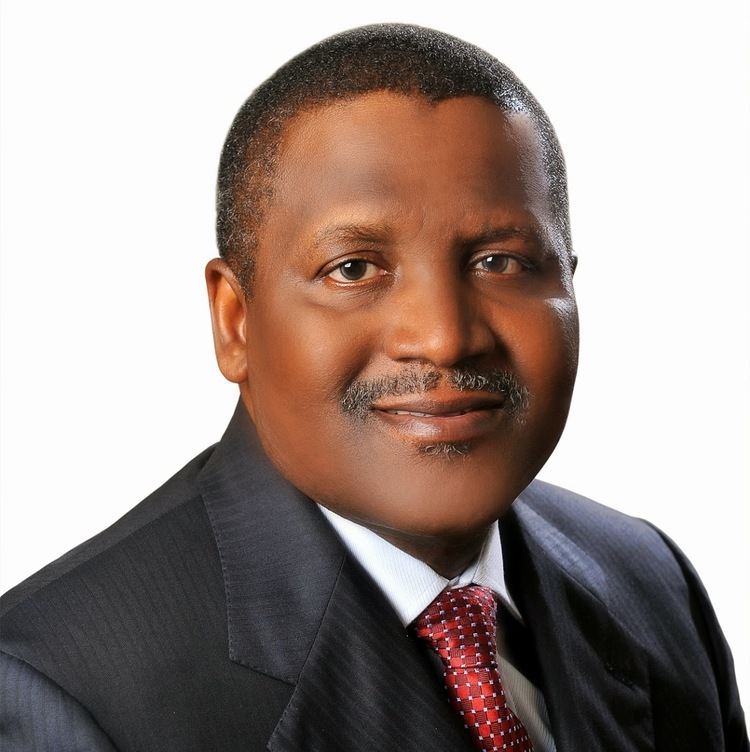
The net worth of Nigerian industrialist Aliko Dangote has reached a scale that rivals the annual economic output of several sovereign African nations. According to the Bloomberg Billionaires Index and International Monetary Fund (IMF) 2026 nominal GDP projections, Dangote’s estimated $36.5 billion fortune now exceeds the projected economic output of multiple countries, including Mali, Burkina Faso, and Gabon.
How Dangote’s wealth compares to African economies
The scale of Dangote’s business empire is increasingly defined by the rising value of his industrial assets. Based on IMF 2026 projections, Mali’s economy is expected to reach $33.85 billion, a figure that currently sits below the billionaire’s estimated net worth. Other nations with smaller projected GDPs than Dangote’s fortune include Burkina Faso ($32.51 billion), Guinea ($29.93 billion), Benin ($27.79 billion), Chad ($25.63 billion), Niger ($24.81 billion), Gabon ($23.36 billion), Mozambique ($23.27 billion), Botswana ($21.94 billion), and Madagascar ($21.18 billion).
The role of the Dangote Petroleum Refinery
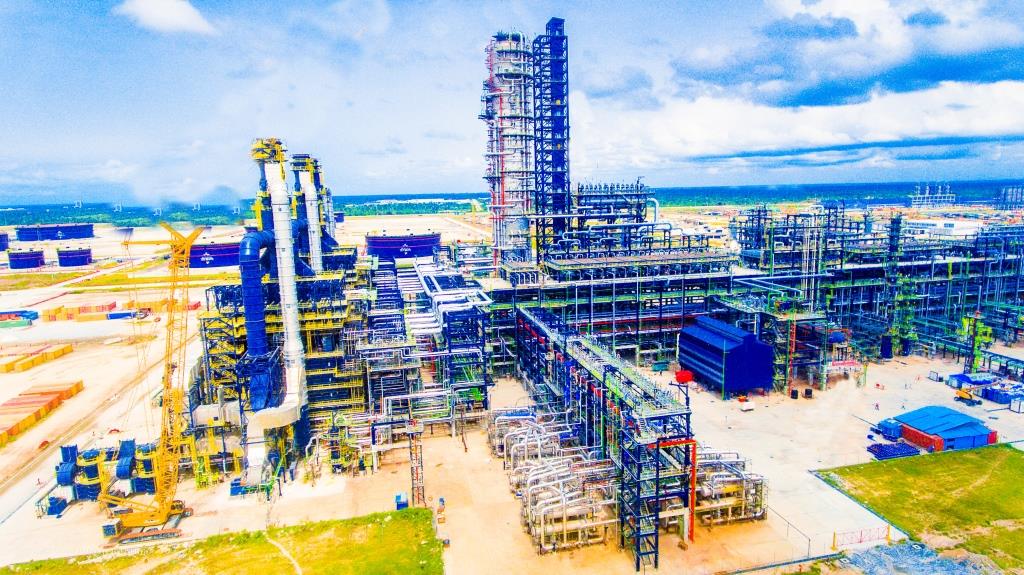
The primary driver behind this recent surge in valuation is the Dangote Petroleum Refinery. While the conglomerate was historically built on sugar, cement, and manufacturing, the Lagos-based refinery has emerged as a central pillar of the business. The facility is currently seeking to raise approximately $1 billion through a private placement, which values the refinery at $39.1 billion.
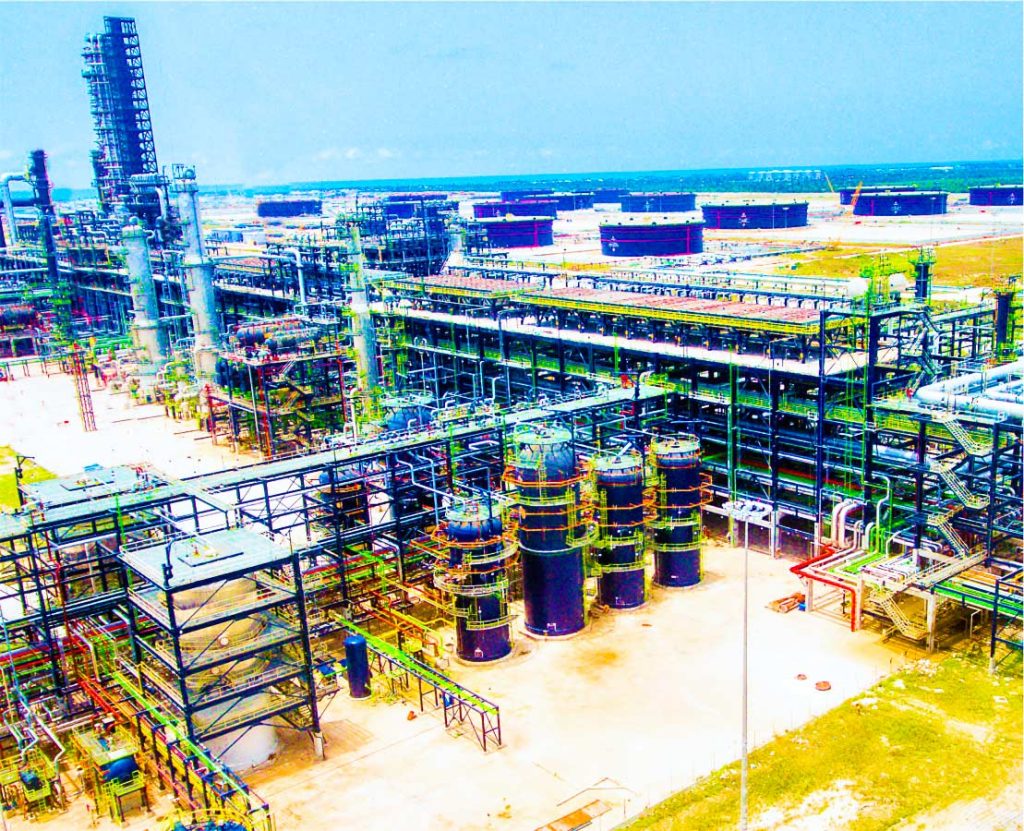
Investor interest in the project has reportedly exceeded the $1 billion target. Notably, Nigeria’s pension regulator has provided special approval for fund managers to participate in the refinery’s planned initial public offering, bypassing standard restrictions that typically apply to companies lacking a long-term history of profitability and dividends.
What happens next for the conglomerate
The company is preparing for a stock market listing, a process that will likely test the long-term confidence of investors in the refinery’s operational prospects. As the refinery continues to supply diesel, aviation fuel, and petrol to both domestic and export markets, its ability to maintain output levels above its installed capacity may influence its final market valuation.
While Dangote’s fortune currently remains smaller than the projected 2026 economies of Senegal ($40.47 billion) and Zambia ($41.24 billion), the continued expansion of his industrial assets suggests his influence on the continent’s economic structure may grow. Policymakers are watching these developments closely, as the refinery serves as a potential template for how private capital can address infrastructure gaps where government investment has historically struggled.
Frequently Asked Questions
What is the primary factor driving the increase in Aliko Dangote’s net worth?
The growth is closely linked to the rising value and operational scale of the Dangote Petroleum Refinery, which has become one of the most valuable privately held industrial assets in Africa.
How does Dangote’s wealth compare to the GDP of African nations?
His estimated $36.5 billion fortune is larger than the projected 2026 GDP of several countries, including Mali, Burkina Faso, Guinea, Benin, Chad, Niger, Gabon, and Botswana.
What is the status of the Dangote Petroleum Refinery’s funding?
The refinery is currently seeking to raise about $1 billion through a private placement ahead of a planned stock market listing. Reports indicate that investor demand has already exceeded this amount.
Does the rise of large-scale private industrial projects in Africa fundamentally change the role of the state in economic development?