
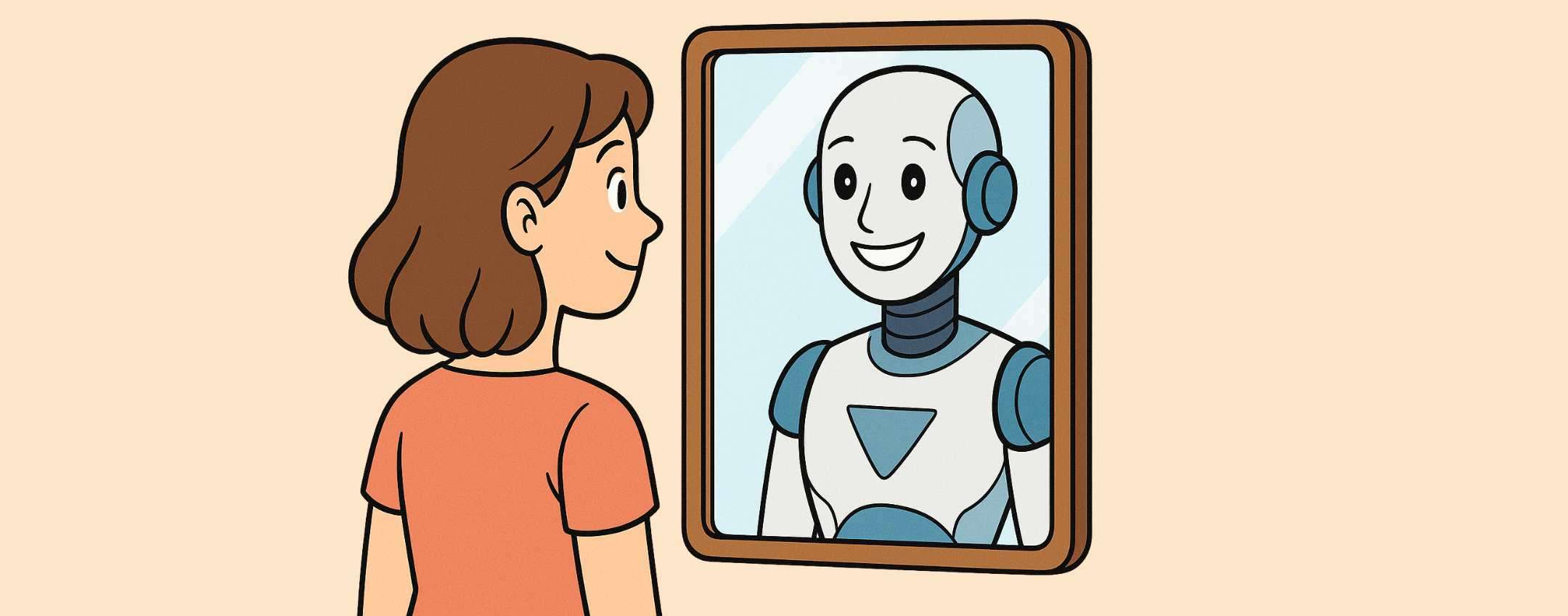
AI-Generated Beauty: The Rise of Unrealistic Plastic Surgery Expectations
The AI Mirror: How Generative Beauty is Redefining Plastic Surgery and Mental Health
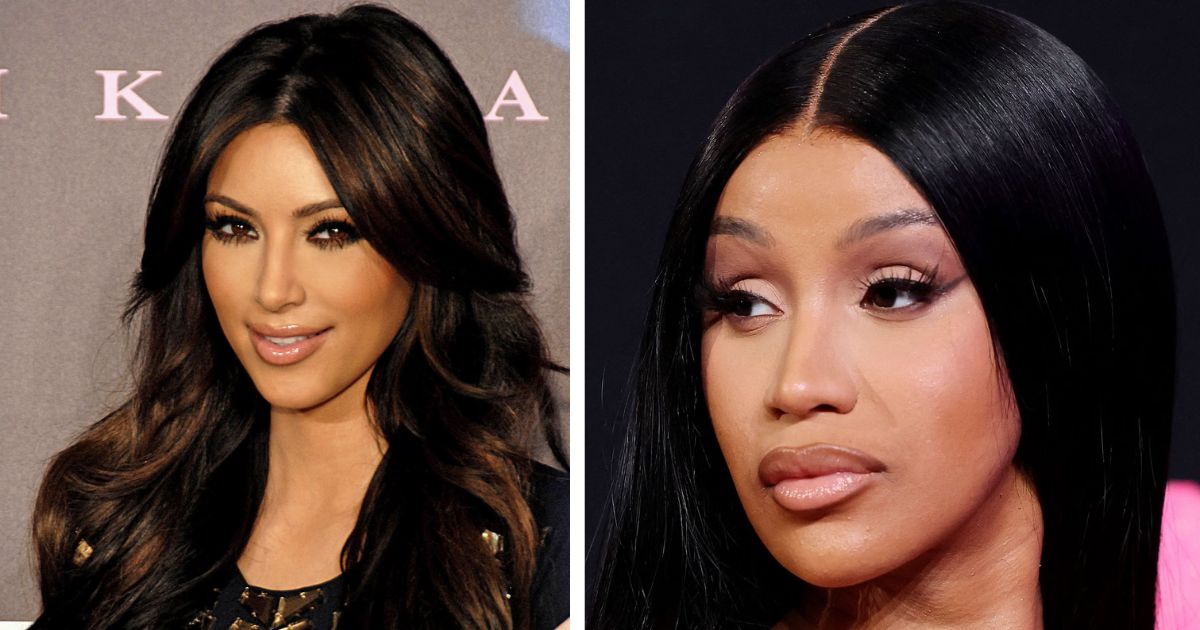
For decades, the blueprint for plastic surgery was the celebrity. Patients walked into clinics with photos of Angelina Jolie’s lips or Rihanna’s jawline. But a seismic shift is occurring. Today, the reference image isn’t a famous stranger—it’s a digitally perfected version of the patient themselves.
Generative AI tools and hyper-realistic filters have moved beyond simple retouching. They are now creating “idealized” versions of our own faces that ignore the laws of biology, bone structure, and aging. This phenomenon is creating a dangerous gap between digital possibility and surgical reality.
The Biological Wall: Why AI Images Are Surgical Dead-Ends
The core of the problem lies in the “hallucination” of AI. When a tool like Midjourney or a specialized AI beauty filter generates a portrait, it isn’t calculating skin elasticity or the placement of the zygomatic bone. We see predicting pixels based on a dataset of “beauty.”
Surgeons are reporting a surge in patients requesting “AI-skin”—a poreless, luminous texture that is biologically impossible for human skin to maintain. When a 70-year-old patient presents an AI image of themselves looking 25, they aren’t asking for a facelift; they are asking for a biological impossibility.
This creates a psychological trap. Because the image looks like them (their eyes, their hair, their smile), the brain perceives the result as achievable. This is no longer about vanity; it is a distortion of perception that can lead to chronic dissatisfaction and a cycle of unnecessary procedures.
The Rise of “Algorithmic Beauty”
We are entering an era of algorithmic beauty, where a handful of AI models determine what a “perfect” face looks like. This leads to a homogenization of features—the same nose, the same chin, the same eye shape—regardless of the patient’s ethnic background or unique facial harmony.
Industry experts suggest that this trend could lead to a “uncanny valley” effect in real life, where people look structurally similar but lack the natural nuances that make a human face expressive and authentic.
Future Trends: Where the Intersection of AI and Aesthetics is Heading
As AI continues to evolve, the relationship between our digital and physical selves will likely follow these three trajectories:

1. The Integration of “Expectation Management” AI
To combat unrealistic demands, the next generation of surgical software will likely move away from “idealized” renders and toward “predictive” AI. Instead of showing what a patient wants to see, these tools will analyse the patient’s actual skin density and bone structure to show a medically accurate outcome.
2. The “Authenticity” Premium
Historically, every extreme beauty trend triggers a counter-culture. As AI-perfection becomes the baseline, we expect a surge in the “Authenticity Movement.” Natural aging, unique “imperfections,” and distinct ethnic features will likely become high-status symbols, signaling that a person is “real” in a world of digital clones.
3. Mandatory Disclosure and “Digital Literacy” in Medicine
We may see a push for legislation similar to the laws in some European countries that require influencers to disclose when a photo is filtered. In a medical context, this could evolve into mandatory psychological screenings for patients who rely heavily on AI-generated imagery for their surgical goals.
The Psychological Toll: Beyond the Scalpel
The danger of AI-driven dysmorphia is that it is a moving target. Once a patient achieves a certain look, the AI can generate a “slightly better” version in seconds. This creates a loop of perpetual dissatisfaction.
Psychologists are noting that the “me, but better” narrative is more damaging than comparing oneself to a celebrity. When the benchmark is a fake version of yourself, the failure to reach that goal feels like a personal failure of your own body, rather than an unrealistic standard set by a stranger.
For more on how technology is reshaping our mental health, see our analysis on The Evolution of Digital Wellness or explore the latest research on Body Dysmorphic Disorder.
Frequently Asked Questions
Can AI accurately predict the results of plastic surgery?
No. Most consumer AI filters are designed for aesthetics, not anatomy. While professional medical imaging (like 3D morphing) is more accurate, it still cannot account for how an individual’s body will heal or how skin will drape over new contours.
What is AI-driven dysmorphia?
It is a psychological state where an individual develops a distorted perception of their appearance based on AI-generated or filtered images of themselves, leading to an obsessive desire to “correct” their physical appearance to match the digital version.
How can I tell if my beauty standards are being influenced by AI?
If you find yourself dissatisfied with your appearance only after using specific apps, or if you are seeking features that seem “too perfect” (perfectly symmetrical, poreless skin), you may be experiencing the effects of algorithmic beauty standards.
Join the Conversation
Do you think AI filters are changing how we see ourselves, or are they just the modern version of makeup? We want to hear your thoughts.
Leave a comment below or subscribe to our newsletter for more insights into the intersection of tech and humanity.