
AI Industrial Zones: The New Real Estate Premium in Korea
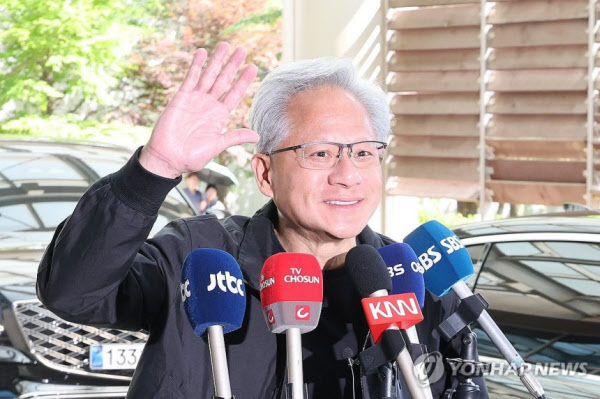
Nvidia CEO Jensen Huang visited South Korea from June 5 to 9, 2026, to collaborate on AI infrastructure with leaders from SK, Hyundai, LG, and Naver. According to analyst Kim Hak-ryeol, this visit signals the emergence of “AI industrial zones” as a new premium driver for South Korean commercial and residential real estate.
Huang departed from the Seoul Gimpo Business Aviation Center on June 9 after a series of high-level meetings. During the trip, he met with SK Group Chairman Chey Tae-won, Hyundai Motor Group Chairman Eui-sun Chung, LG Group Chairman Koo Kwang-mo, and Naver Chairman Hae-jin Lee. His itinerary also included meetings with Deputy Prime Minister and Minister of Science and ICT Bae Kyung-hoon, as well as various universities, startups, and platform companies.
Why is the Nvidia visit impacting real estate?
The visit is viewed by industry analysts not as a promotional event, but as a catalyst for a mid-to-long term re-evaluation of property locations. Kim Hak-ryeol, head of the SmartTube Real Estate Research Institute, stated on his blog that AI industrial zones will likely form a new real estate premium.

According to Kim, real estate value in Korea has historically followed job growth, citing the development of Gangnam and Pangyo. He suggests that as the industrial axis shifts and high-income jobs move, property values will respond to the accumulation of corporate investment in specific regions.
Which regions are likely to see an “AI Premium”?
Kim identifies a new set of criteria for property value, adding “AI industrial zones” to traditional markers like school districts and subway access. This premium may apply to areas linked to semiconductors, robots, data centers, autonomous driving, cloud computing, advanced packaging, HBM, and power infrastructure.

Commercial real estate is expected to react first. Kim suggests that industrial complexes, factory land, R&D sites, and land near power infrastructure may see more immediate impact than apartments. He notes that for industrial sites, the availability of power, water, transport, and permits is now more critical than simply having large plots of land.
Recommended commercial regions include:
- Gyeonggi Province: Yongin, Hwaseong, Pyeongtaek, and Icheon.
- North Chungcheong Province: Cheongju.
- South Chungcheong Province: Cheonan and Asan.
How will residential markets respond?
The impact on the apartment market is expected to be slower and more specific. Kim argues that preferred residential areas will not be those immediately adjacent to factories, but rather those that offer a balance of commuting convenience with education, commerce, medical, and cultural amenities.
Key residential areas highlighted by Kim include:
- Gyeonggi: Core residential zones in Yongin (Giheung and Suji), Hwaseong (Dongtan), and Pyeongtaek (Godeok and Jije Station area).
- Seoul: Areas near business and research hubs in Gangnam, Magok, Seongsu, and Yongsan.
- Seongnam: Pangyo and Bundang, where IT companies are concentrated.
Frequently Asked Questions
Who did Jensen Huang meet during his June 2026 visit?
He met with the chairmen of SK Group, Hyundai Motor Group, and LG Group, Naver’s chairman, Deputy Prime Minister Bae Kyung-hoon, and representatives from universities, startups, and platform companies.
What defines an “AI industrial zone” in real estate terms?
According to Kim Hak-ryeol, these are regions connected to semiconductors, robots, data centers, autonomous driving, cloud services, advanced packaging, HBM, and power infrastructure.
Which residential areas are recommended for those looking at AI growth?
Recommended areas include Yongin (Giheung/Suji), Hwaseong (Dongtan), Pyeongtaek (Godeok/Jije), and Seoul hubs such as Gangnam, Magok, Seongsu, and Yongsan, as well as Pangyo and Bundang.
Do you believe infrastructure capabilities like power and water will eventually outweigh school districts as the primary driver of residential property value?