
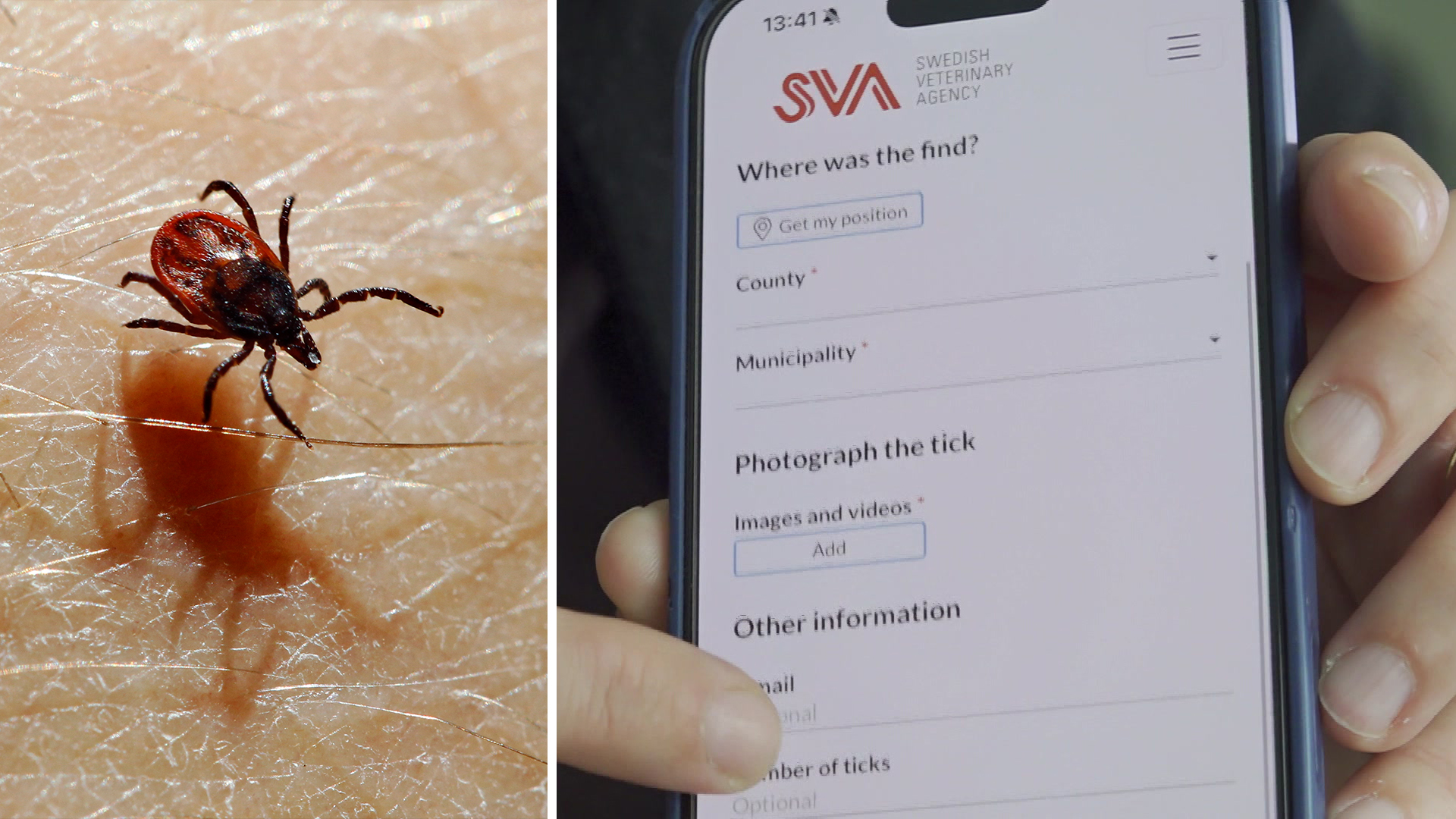
AI to Help Detect Invasive Tick Species
Researchers at the State Veterinary Medicine Institute (SVA) are developing an AI model to analyze 35,000 tick images submitted via the “Rapportera fästing” app. According to tick researcher Anna Omazic, the AI will help identify non-native species that could carry new viruses or bacteria, though human oversight remains essential for final verification.
Why is AI being integrated into tick reporting?
Since the “Rapportera fästing” app launched three years ago, users have submitted 35,000 images of ticks to the SVA. Reviewing each of these images manually is a time-consuming process for researchers.
Anna Omazic, a tick researcher at SVA, states that AI could quickly scan these images to flag specific specimens of interest. This allows the team to prioritize ticks that are not currently found in Sweden and may introduce new bacteria or viruses.
What is the threat of the migratory bird tick?
One primary target for the AI model is the Hyalomma marginatum, also known as the migratory bird tick. According to the researchers, this species is particularly concerning because it can carry hemorrhagic fever.
While only occasional specimens of this tick have appeared in Sweden, they do not seem to survive well in the local climate. However, the AI is intended to provide an early warning system if these dangerous species are detected.
How will the AI model evolve?
Najmeh Abiri, a lecturer in machine learning at Malmö University, is collaborating with Omazic to build the model. Abiri notes that automatic species identification is difficult because photo quality varies and ticks are often in motion during photography.

The research team hopes to launch the AI model within one or two years. A possible next step could involve expanding the system to neighboring countries.
Abiri suggests that a shared app for Northern Europe could be a goal. This would allow researchers to access shared data simultaneously to track the movement of dangerous ticks.
Frequently Asked Questions
How many images have been submitted to the SVA app?
Users have submitted 35,000 tick images since the “Rapportera fästing” app was launched three years ago.
What specific risks does the Hyalomma marginatum tick pose?
This migratory bird tick can carry hemorrhagic fever and is capable of hunting prey from up to 200 meters away.
Will AI completely replace human researchers in this process?
No. Anna Omazic stated that a human will always still be needed behind the process, as the AI is intended to flag images for human review.
Do you think AI-driven public reporting is the most effective way to track invasive species?