
Aid Agencies Race to Support DRC Health Workers Amid Virus Outbreak
Beyond the Crisis: The Future of Global Health Security in the Heart of Africa
When we hear reports of viral outbreaks in the Democratic Republic of Congo (DRC), the narrative is often the same: a race against time, underequipped clinics, and a heartbreaking death toll. But if we look closer, these crises are not just isolated medical emergencies; they are sirens warning us about the fragility of our global health architecture.
The struggle of health workers in the DRC isn’t just a local failure—it’s a systemic gap. To prevent the next global pandemic, we have to shift how we view “aid” and start talking about “resilience.”
The Shift from Reactive Aid to Proactive Infrastructure
For decades, the international community has operated on a “firefighting” model. When an outbreak hits, aid agencies rush in, set up temporary tents, and leave once the numbers drop. While this saves lives in the short term, it leaves the local health system just as fragile as it was before the crisis.
The future trend is moving toward integrated health systems. Instead of building a specialized Ebola centre that sits empty for years, the focus is shifting toward strengthening general primary healthcare. When a clinic can treat malaria, maternal health issues, and malnutrition daily, it is far better equipped to spot and contain a new virus before it becomes a catastrophe.
We are seeing a rise in “dual-use” infrastructure—facilities designed for everyday care that can be rapidly pivoted into isolation wards during an outbreak. This represents the only way to ensure that health workers aren’t left fighting 21st-century viruses with 19th-century tools.
The Role of Localized Manufacturing
One of the biggest hurdles in the DRC has always been the supply chain. Waiting for PPE or vaccines to arrive from Europe or North America costs lives. A growing trend in global health is the decentralization of medical production.
By establishing vaccine manufacturing hubs within Africa—a move supported by the World Health Organization (WHO)—the continent can reduce its reliance on volatile global shipping lanes and political whims.
Digital Leapfrogging: Tech on the Frontlines
In areas where roads are impassable, technology is becoming the primary bridge. We are seeing a transition toward “digital leapfrogging,” where developing regions skip old technologies and move straight to the cutting edge.
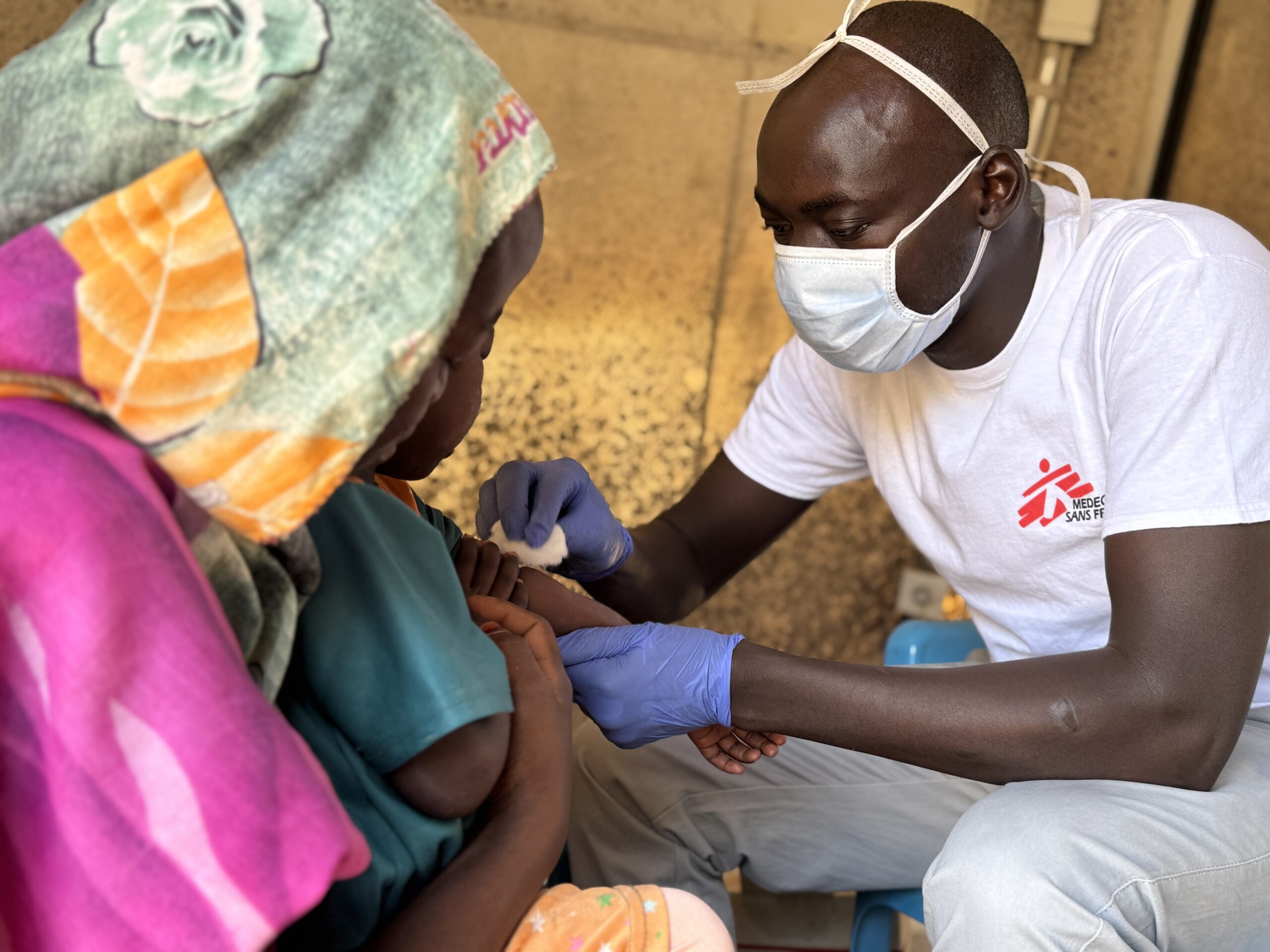
Telemedicine and AI Diagnostics: Imagine a rural health worker using a smartphone-linked diagnostic tool to identify a pathogen in minutes, rather than waiting days for a sample to reach a city lab. AI-driven surveillance is already being tested to track unusual clusters of symptoms in real-time, allowing agencies to intervene weeks earlier than previously possible.
Drones: The New Logistics Backbone
Real-life examples, such as the use of Zipline drones in Rwanda and Ghana, are providing a blueprint for the DRC. Drones can deliver blood products and vaccines to remote villages in minutes, bypassing collapsed infrastructure. As this tech scales, the “underequipped” label for rural clinics may finally become a thing of the past.
The “One Health” Approach: Connecting Nature and Medicine
We cannot talk about the future of health in the DRC without talking about the environment. The trend is moving toward a “One Health” framework, which recognizes that human health is inextricably linked to the health of animals and the environment.
Deforestation and urban expansion into wildlife habitats increase the frequency of “spillover events.” Future health strategies will likely involve ecologists and veterinarians working alongside doctors to monitor viral loads in animal populations, creating an early-warning system that stops the virus before it ever reaches a human host.
If we continue to treat human medicine as separate from environmental health, we are simply waiting for the next outbreak to happen. You can read more about our analysis on emerging zoonotic threats here.
Frequently Asked Questions
Why is the DRC more prone to these outbreaks?
A combination of dense rainforests, high biodiversity, political instability, and a lack of basic healthcare infrastructure makes it a high-risk zone for viral emergence and spread.

Can vaccines completely stop these viruses?
Vaccines are critical for containment, but they are not a silver bullet. Without strong “surveillance” (the ability to find the virus early) and “logistics” (the ability to get the vaccine to the person), the tool is useless.
How can the international community help beyond donating money?
The shift is toward “capacity building”—training local doctors, investing in permanent clinics, and supporting local pharmaceutical production rather than providing temporary relief.
Join the Conversation
Do you think the world is doing enough to prepare for the next pandemic, or are we repeating the mistakes of the past? We want to hear your perspective.
Leave a comment below or subscribe to our newsletter for deep dives into global health security.