
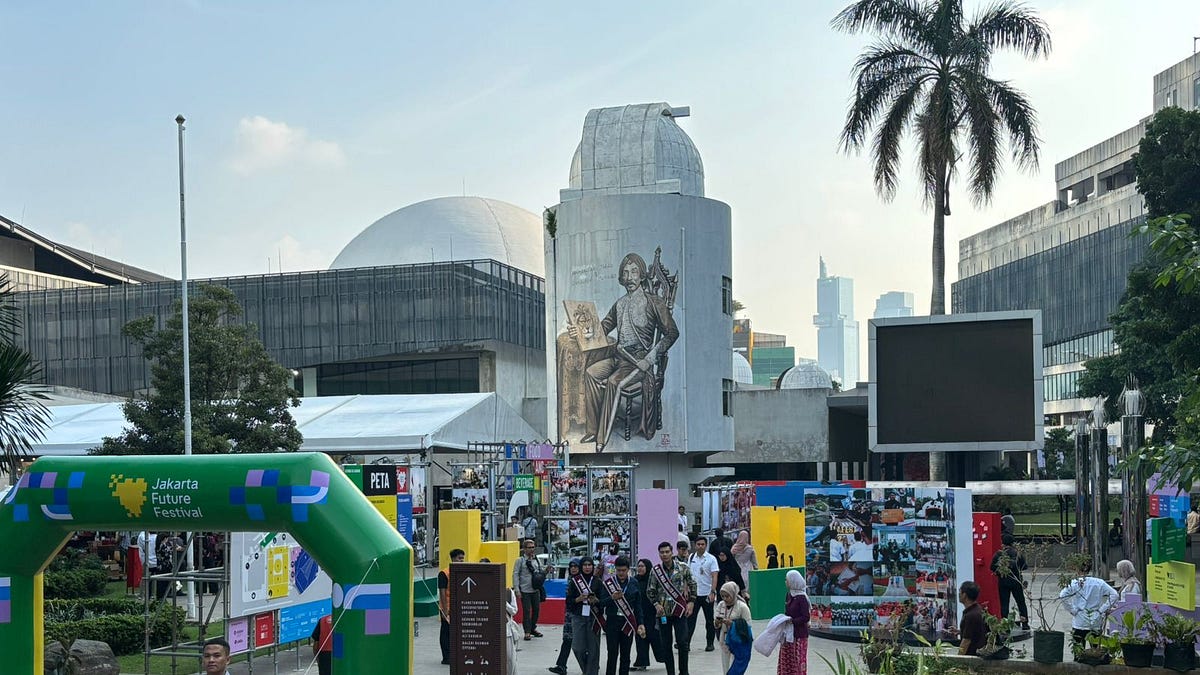
akarta Future Festival 2026 Explores Resilience, Innovation, and the Capital’s Future
Jakarta hosted the Jakarta Future Festival (JFF) 2026 from June 5–7 at Taman Ismail Marzuki, drawing over 80,000 visitors to discuss urban resilience. Organized by the Regional Development Planning Agency (Bappeda DKI Jakarta), the three-day event united more than 500 collaborators and 250 speakers to address the city’s long-term development strategies ahead of its 500th anniversary in 2027.
Did You Know? The Jakarta Future Festival was launched in 2024 to strengthen the city’s Urban Knowledge Management Ecosystem, specifically to help the capital transition into its post-capital era following the national government’s relocation to Nusantara.
Shifting Toward Collaborative Governance
The festival signaled a departure from traditional top-down policymaking, focusing instead on a participatory model that includes residents, academics, and businesses. According to Atika Nur Rahmania, Head of Bappeda DKI Jakarta, building a resilient city requires active collaboration rather than relying on government efforts alone. The event centered on four pillars: shaping, deliberating, showcasing, and engaging.
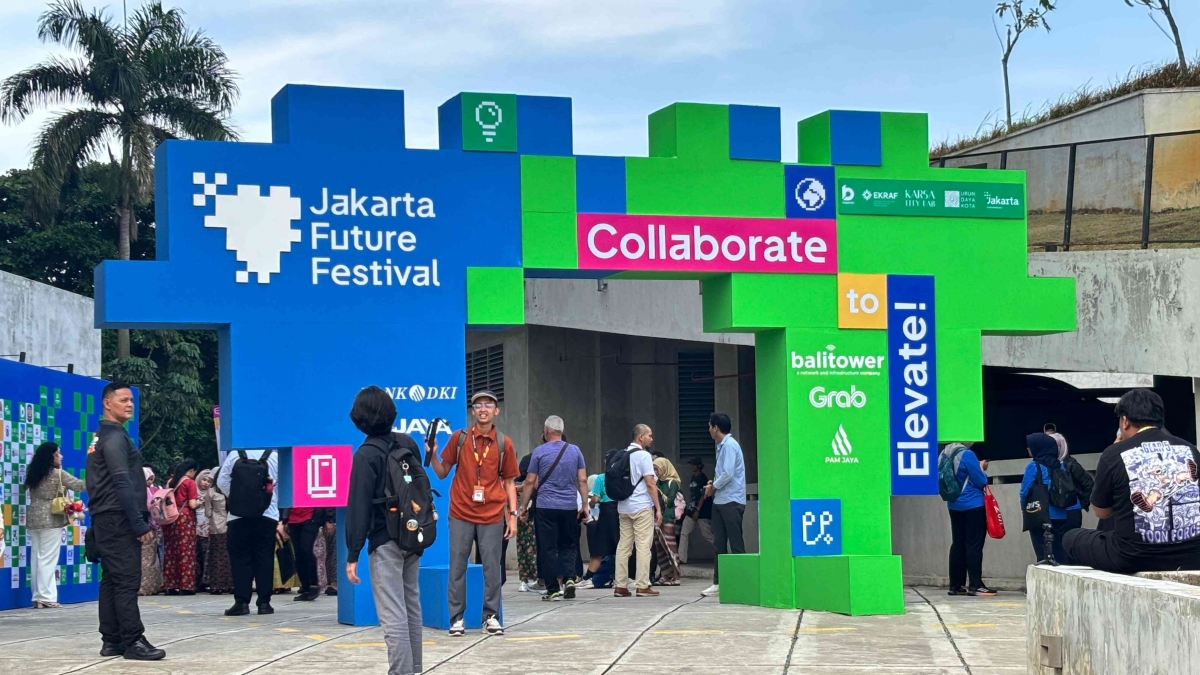
Expert Insight: The move to crowdsource urban planning solutions through public festivals suggests that Jakarta is attempting to mitigate the risks of rapid demographic change and urban congestion by building social consensus. By blending academic policy discussions with public cultural events like “Sound of the City,” the city government is likely attempting to lower the barrier to entry for civic participation in complex urban issues.
Connectivity and Infrastructure Goals
During the opening ceremony, Governor Pramono Anung highlighted that regional connectivity between Jakarta and neighboring cities—Bogor, Depok, Tangerang, and Bekasi—has reached 93%. The provincial government currently manages fourteen intercity public transportation routes, with fares ranging from Rp2,000 to Rp3,500. Officials stated that Jakarta currently holds the second-highest connectivity ranking among Southeast Asian cities.
What Happens Next
As the city approaches its 500th anniversary in 2027, the provincial government may continue to prioritize infrastructure projects such as expanding mass-transit systems and developing rail access to the Jakarta International Stadium. Analysts expect that the data and feedback gathered during the JFF 2026 sessions will be integrated into the city’s long-term urban planning strategies to address climate risks and economic transformation. Future editions of the festival are likely to remain a central platform for testing this collaborative governance model.
Frequently Asked Questions
Who organized the Jakarta Future Festival 2026?
The festival was organized by Jakarta’s Regional Development Planning Agency (Bappeda DKI Jakarta).
What is the primary goal of the JFF?
The festival aims to foster dialogue, innovation, and knowledge-sharing among various stakeholders to support Jakarta’s transition into a globally competitive, inclusive, and sustainable city.
How many people attended the 2026 event?
The three-day festival attracted more than 80,000 visitors and featured over 52 discussion sessions.
How do you think public participation in urban planning will change the way Jakarta develops over the next decade?