

Al Qaeda-linked militants curb their brutality in seized Malian territory
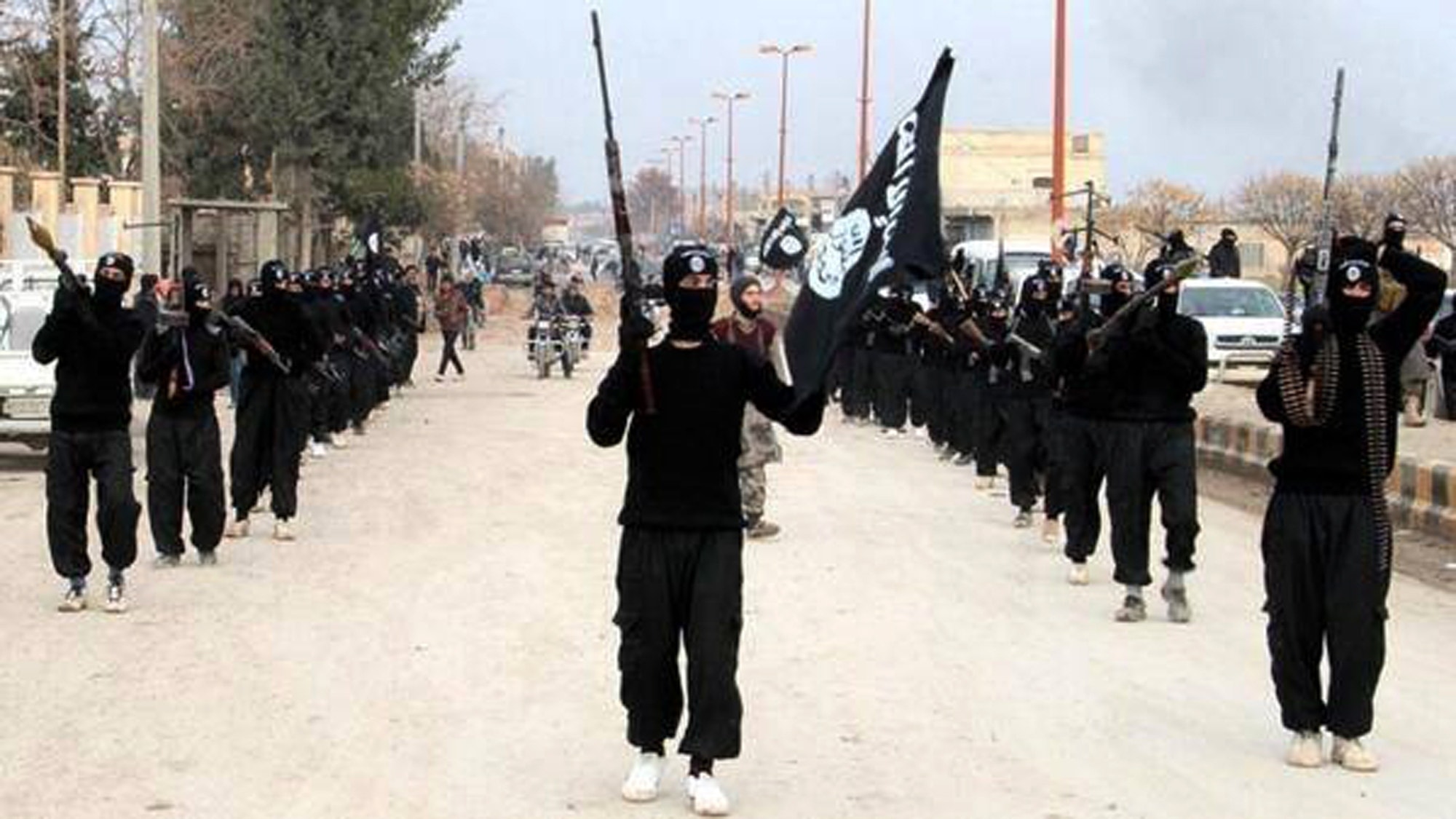
Jihadist groups affiliated with al Qaeda, specifically Jama’at Nusrat al-Islam wal Muslimin (JNIM), are shifting from violent coercion to administrative governance in parts of Mali. According to residents and Sahel experts, the group now manages local disputes and public services to consolidate power, a trend that complicates the military government’s efforts to maintain national control.
How does JNIM’s governance strategy differ from past tactics?
JNIM has transitioned from a strategy of immediate, brutal intimidation to a model of “governance by acquiescence.” Corinne Dufka, a long-time Sahel expert, notes that as the group’s influence has solidified, it has reduced its reliance on overt violence. Residents in central Mali report that militants now act as arbiters in land disputes between herders and farmers, allow aid organizations to operate, and permit some government employees to visit their home villages. This contrasts sharply with the group’s early years, when militants threatened to kill anyone—including local religious leaders—who challenged their strict interpretation of Islamic law.
Did you know? While JNIM has softened its rhetoric in some areas, it still enforces strict blockades in others. In the village of Diafarabe, residents reported that 53 people, including 13 children, died due to a lack of food and medicine caused by a militant-imposed blockade.
Why are civilians increasingly accepting JNIM authority?
For many villagers, the shift toward JNIM rule is a survival strategy rather than an ideological choice. According to interviews with seven residents living under JNIM control, the group’s administration is often perceived as more predictable and less corrupt than the alternative. Data from the Armed Conflict Location & Event Data (ACLED) project suggests that in the last two years, Malian soldiers and their Russian paramilitary partners have been responsible for three to four times more civilian deaths than jihadist groups. This pattern of state-led violence has, in some instances, driven young men to join the insurgency, viewing the militants as a safer alternative to government forces.
Pro Tip: When researching regional stability, distinguish between “governance” and “control.” Analysts often differentiate between areas where groups provide services to gain legitimacy and areas where they maintain power strictly through blockades and fear.
What is the future of the conflict in Mali?
The future of the region remains tied to the tension between the military government’s rejection of dialogue and the insurgents’ desire for political legitimacy. Bilal Ag Cherif, leader of the Azawad Liberation Front (FLA), stated that his group is encouraging JNIM to distance itself from al Qaeda and focus on local stability. However, Mali’s Foreign Minister Abdoulaye Diop has explicitly rejected any dialogue with what he describes as “lawless armed terrorist groups.” As JNIM continues to produce media content in Bambara—the language of the south—to appeal to a broader Malian audience, the conflict is increasingly becoming a struggle for the political soul of the country rather than just a military standoff.
Frequently Asked Questions
- What is JNIM? JNIM is an alliance of militant groups in West Africa that pledged allegiance to al Qaeda in 2017.
- Does JNIM control major cities? No. As of June 2023, the group does not hold major urban centers and has not signaled an intent to seize the capital, Bamako.
- Why are Russian forces in Mali? The Malian military government invited Russian mercenaries to assist in anti-insurgency operations after expelling 15,000 French and U.N. peacekeeping troops in 2020.
- Are all JNIM areas peaceful? No. While some areas experience “softer” rule, the group continues to carry out massacres, such as the January attack on a fuel convoy that resulted in multiple deaths.
What are your thoughts on the shifting dynamics in the Sahel? Share your perspectives in the comments below or subscribe to our weekly newsletter for more in-depth reporting on African security trends.