
Alagoas Vigilant Project Focuses on STI and Viral Hepatitis Surveillance
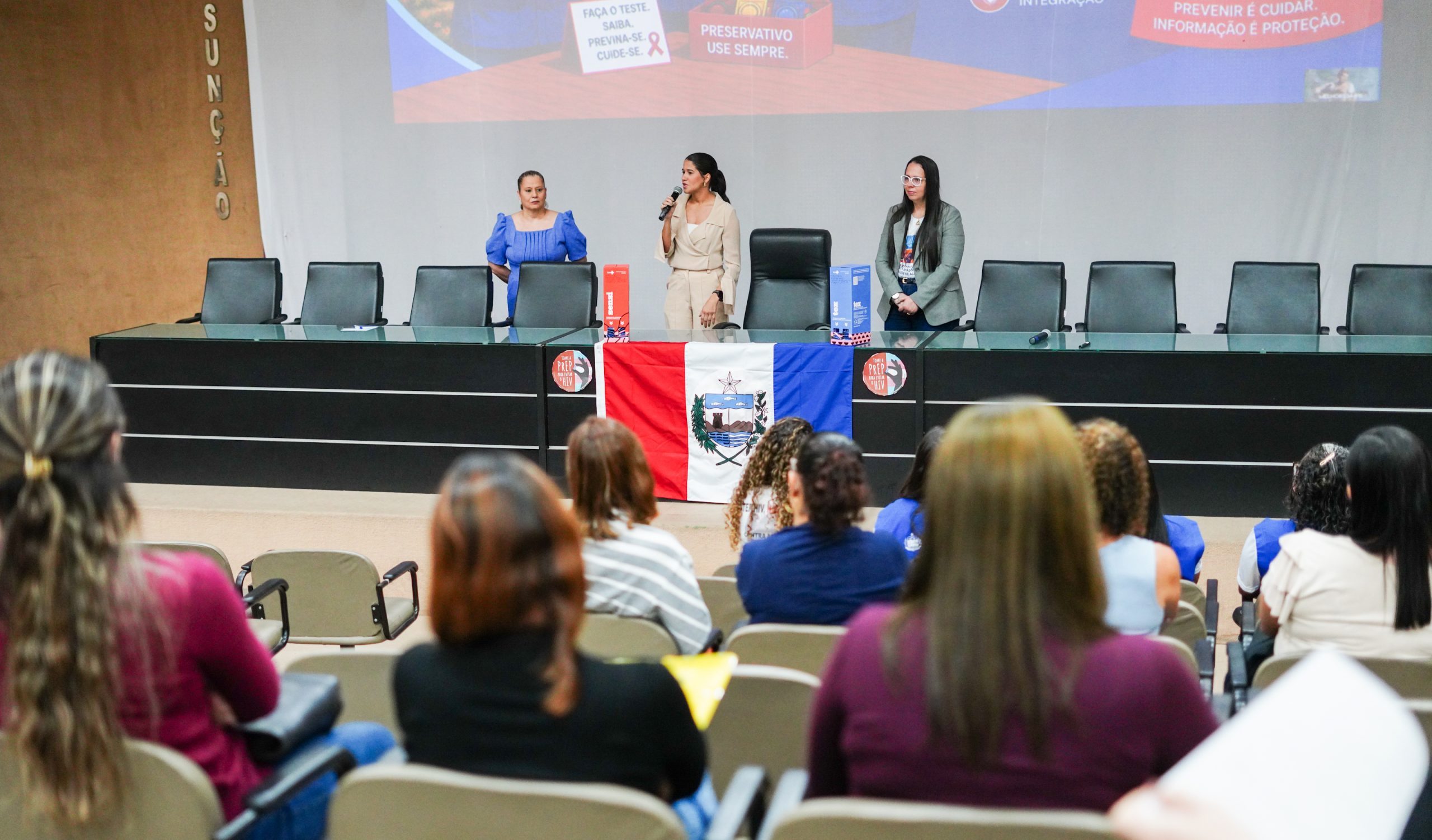
The Alagoas State Health Secretariat (Sesau) held the third edition of Projeto Alagoas Vigilante on Monday, the 22nd, in Maceió. The event targeted health coordinators from 56 municipalities in the I Health Macroregion to strengthen the surveillance and treatment of sexually transmitted infections (STIs), AIDS, and viral hepatitis.
The seminar took place at the Tribunal de Contas de Alagoas (TC/AL) auditorium in the Farol neighborhood. Organized by the Executive Secretariat of Health Surveillance (Sevisa), the initiative focused on the epidemiological landscape and action plans for viral hepatitis and STIs/Aids across Alagoas.
What was the focus of the Alagoas Vigilante project?
The event centered on the role of Primary Health Care in combating STIs and organizing care for viral hepatitis and HTLV. A specific session titled “Alagoas Vigilante Responde!” addressed technical questions regarding HIV, Syphilis, and the use of PrEP and PEP.
Thallyne Araújo, the executive secretary of Health Surveillance at Sesau, stated the project aims to expand the debate on health surveillance. Araújo noted that the event allowed for the proposal of ideas that municipalities can execute within their territories to inform public policies designed to reduce STIs.
Why is the integration of Primary Health Care critical for STI control?
According to Rayssa Teixeira, a technical advisor for Communicable Diseases at Sesau, STIs present a simultaneous challenge for both medical assistance and health surveillance. Teixeira explained that the project’s goal is to strengthen the professionals working “on the front line” who are responsible for treating affected patients.

Cynara Macena, the Health Surveillance director for the municipality of União dos Palmares, said the initiative helps integrate Health Surveillance with Basic Care. Macena stated this integration is necessary to qualify the state’s epidemiological scenario, particularly concerning STIs.
How could these municipal strategies impact public health?
The implementation of the ideas discussed during the seminar could lead to more localized health interventions. Because the project encourages municipalities to execute strategies within their own territories, there may be a more tailored approach to the specific epidemiological needs of each town.
Future efforts are likely to focus on the continued integration of basic care and surveillance. This alignment could potentially improve the accuracy of health data and the efficiency of STI treatment across the I Health Macroregion.
Frequently Asked Questions
What is the primary goal of Projeto Alagoas Vigilante?
According to Sesau advisors, the project aims to strengthen Health Surveillance and Primary Care to better manage the challenges posed by sexually transmitted infections.
Which specific health conditions were addressed at the seminar?
The event covered the surveillance of STIs, AIDS, viral hepatitis, and HTLV, with specific discussions on HIV and Syphilis.
Who participated in the third edition of the project?
The event was attended by coordinators of Primary Health Care and Epidemiological Surveillance from 56 municipalities in the I Health Macroregion.
How do you think local community health initiatives affect state-wide disease prevention?