

Alt Data and Prediction Markets: Legal Risks and Opportunities
Prediction markets like Polymarket and Kalshi are emerging as significant, if legally complex, sources of alternative data for market participants. While these platforms have gained prominence over the last seven years, the practice of betting on future outcomes dates back to the 1500s. Current industry analysis indicates that while these markets offer a wealth of new information, significant legal uncertainties persist regarding their integration into modern financial strategies.
The use of prediction markets is far from a modern phenomenon. Historical evidence suggests that individuals were placing bets on the outcomes of papal elections as early as the 16th century.
The Evolution of Prediction Platforms
Modern prediction markets represent a technological evolution of earlier forecasting models. The Iowa Electronic Markets, established by the University of Iowa in 1988, serves as a primary academic precursor to the contemporary platforms currently dominating the space. Polymarket and Kalshi have since scaled this concept, operating for less than seven years while attracting attention for their potential as alternative data providers.
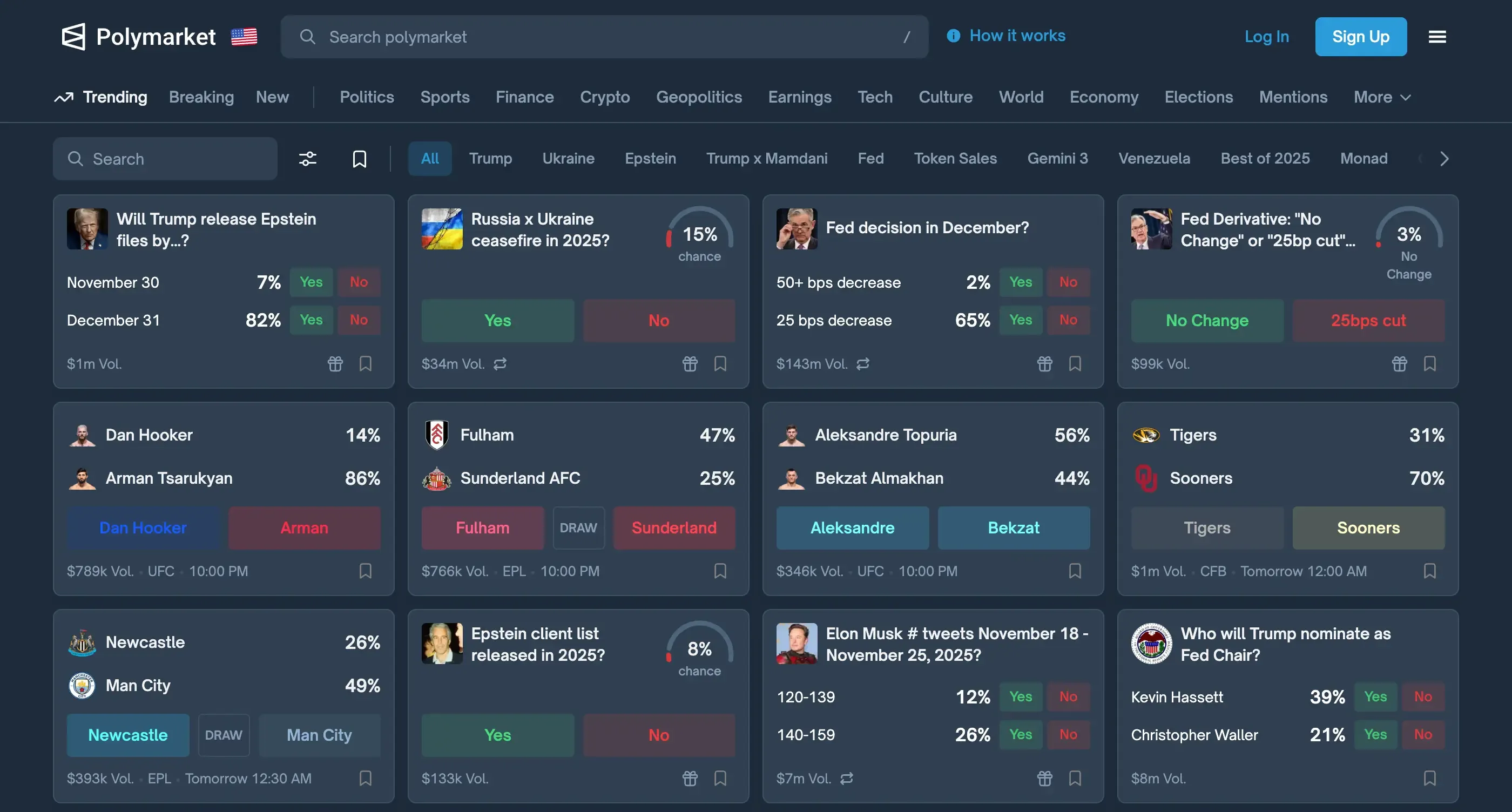
Samantha Carter notes that the transition from academic experiments like the Iowa Electronic Markets to commercial-grade platforms creates a new frontier for data-driven decision-making. The primary trade-off involves balancing the high volume of unique, real-time insights provided by these platforms against the unresolved legal frameworks that govern how such data may be utilized in regulated financial environments.
Implications and Future Outlook
The significance of these markets lies in their ability to aggregate collective intelligence into actionable data points. However, the legal environment remains fluid. As these platforms continue to operate, market participants may face challenges regarding the compliance and validation of data sourced from such venues. A possible next step involves increased regulatory scrutiny, which could define the boundaries for how prediction market data is incorporated into institutional trading strategies.
Frequently Asked Questions
What are the primary platforms currently active in the prediction market space?
According to industry reports, Polymarket and its rival, Kalshi, are the current primary platforms for these markets.
How long have these modern prediction platforms been in operation?
Both Polymarket and Kalshi have been launched within the last seven years.
Is the concept of prediction markets a recent development?
No, the practice predates modern digital platforms, with evidence of betting on papal elections occurring as early as the 1500s.
How do you think the integration of non-traditional data sources will reshape the way investors assess risk in the coming years?