

Amazon Prime Day 2026 and Major Summer Sales: Everything You Need to Know
Amazon’s Prime Day, scheduled for June 23–26, has expanded from a single-day shopping event into a synchronized retail season involving major competitors including Walmart, Target, and Best Buy. Last year’s four-day event generated $24.1 billion in U.S. online spending, according to Adobe Analytics, prompting retailers to align their own promotional periods to capture consumer traffic.
Did You Know? Amazon moved its Prime Day dates from July to June this year, citing the World Cup and July Fourth scheduling as primary factors, according to Reuters.
Why the Summer Sales Window is Shifting
The retail landscape has evolved into a period of heavy competition where major chains mirror Amazon’s promotional timing. While Amazon’s event remains the focal point, rivals have established their own overlapping windows: Walmart Deals runs June 22–28, Target Circle Deal Days takes place June 23–26, and Best Buy’s Tech Fest is scheduled for June 22–28, according to reports from Today, company press releases, and 9to5Toys.
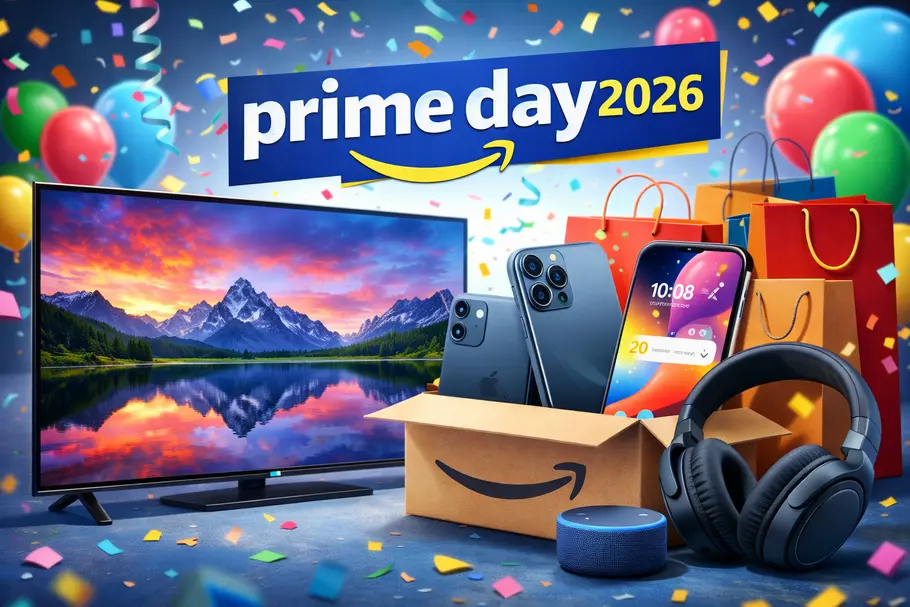
This shift represents a move toward synchronized retail signals rather than isolated sales. Analysts suggest that the uniformity of pricing across different platforms—such as the Bissell CleanView vacuum appearing at the same $79.99 price point at Amazon, Target, and Lowe’s—indicates that retailers are increasingly using these dates to drive loyalty-program growth and data collection, as reported by NBC Select.
What Consumers Can Expect
Shoppers face a wide spectrum of inventory, ranging from deep-discounted household staples to high-end electronics. Amazon’s June 1 release promised deals across 35 categories, with some items dropping in price every five minutes. The company has integrated new features, including Alexa-enabled deal alerts and automated purchasing, to streamline the shopping experience.
Expert Insight: Samantha Carter notes that while consumers are drawn to the spectacle of low-cost items—such as $1 measuring spoons or $16.48 watches—the true strategic focus for these corporations is the expansion of their logistics networks and the solidification of consumer loyalty through subscription services and membership-gated perks.
Future Market Implications
The transition of Prime Day into a broader, multi-retailer “weather front” suggests that the summer months may remain a permanent fixture for aggressive discounting. As retailers continue to tie these events to loyalty programs and grocery delivery, consumers could see an increase in “omnichannel” promotions that link smart-home integration with physical retail habits. Future events may rely even more heavily on algorithmic pricing, potentially reducing the window for manual deal-hunting as automated systems become more prevalent.

Frequently Asked Questions
When is Prime Day this year?
Amazon’s Prime Day runs from June 23 to June 26.
Are other retailers participating in this sale period?
Yes, Walmart, Target, and Best Buy have scheduled their own sales events, such as Walmart Deals and Target Circle Deal Days, to coincide with the late June timeframe.
What kind of deals are available?
Deals span over 35 categories, including electronics, apparel, home goods, and groceries, with some discounts reaching up to 65% on Amazon devices and half-off prices on various household and tech items across participating retailers.
How will the integration of automated purchasing tools like Alexa deal alerts change the way you approach seasonal shopping?