
Amazon Prime Video’s New Strategy: Turning Movies Into Series to Boost Streaming Time
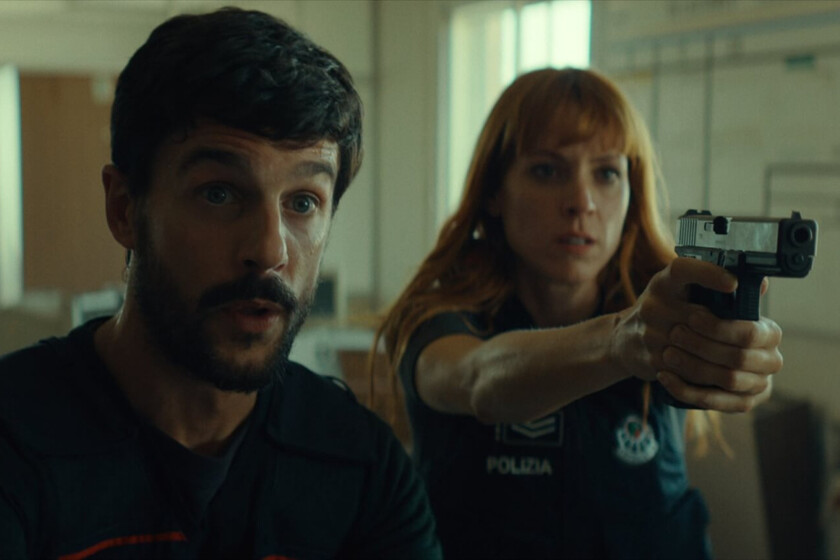
Amazon Prime Video is shifting its content strategy by transitioning select Spanish film productions into television series following their initial theatrical release. The strategy, which aims to increase viewer retention by repurposing cinematic projects for episodic streaming, includes upcoming titles such as Kraken: El libro negro de las horas and Hechos probados. This approach seeks to provide fans with extended narratives while maximizing the platform’s streaming volume.
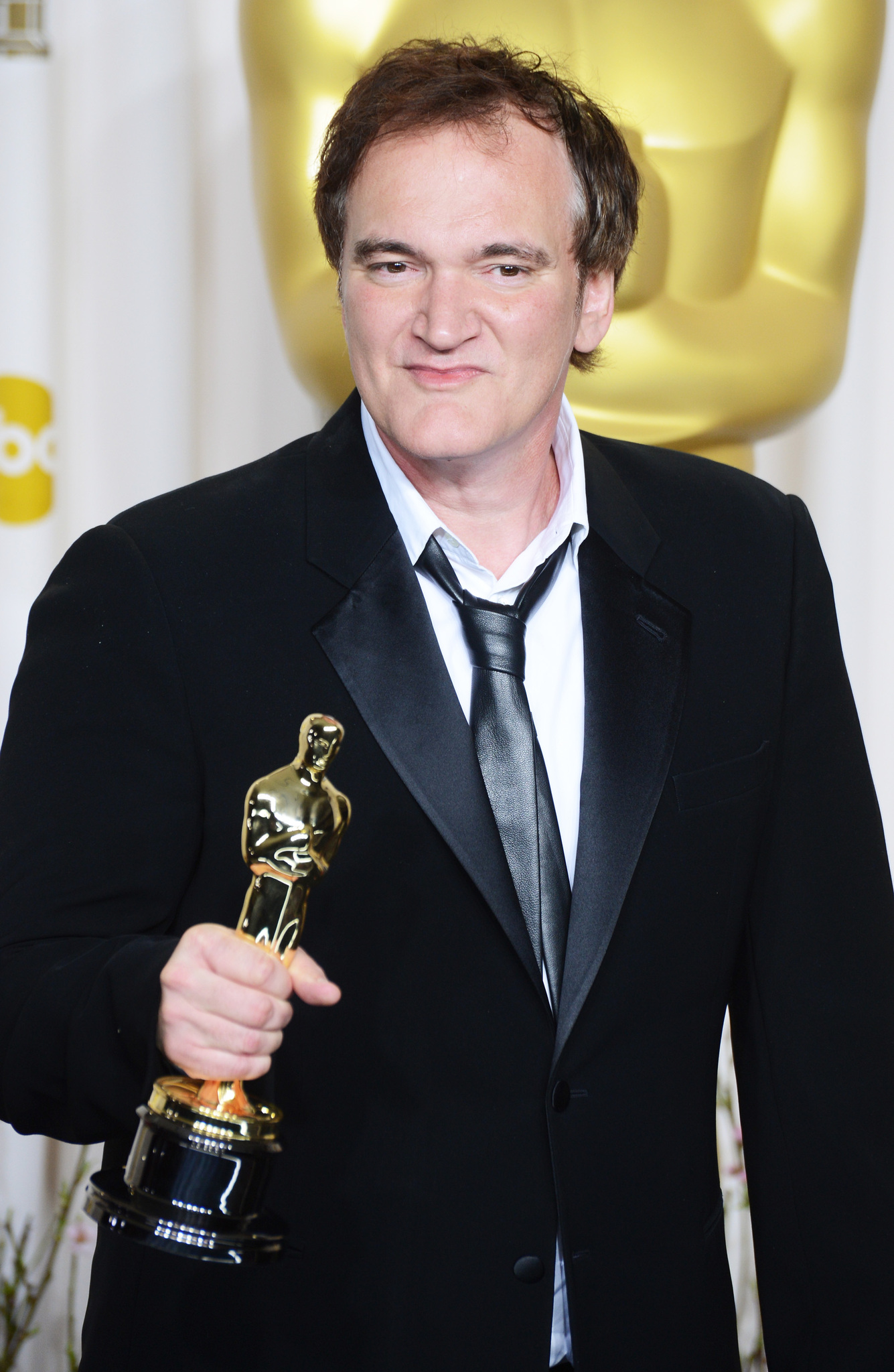
While Amazon’s current strategy is a modern push for streaming retention, the practice of re-editing television series into films is a decades-old industry trend. Historical examples include The Adventures of Young Indiana Jones, The Man from U.N.C.L.E., Das Boot, Robotech, and Battlestar Galactica, with Quentin Tarantino more recently expanding The Hateful Eight into a television series with added scenes.
How does the new distribution model work?
According to the company’s recent presentation, Amazon plans to utilize a two-window distribution model for its Spanish productions. Films will first debut in cinemas before being re-edited and expanded for Prime Video. In the case of Citas Barcelona, the film serves as the final episode of its third season. Other projects, such as Kraken: El libro negro de las horas—scheduled for a June 27 release—are being re-cut with additional footage specifically designed for a serialized television format.
Why does this strategy matter?
The move addresses the reality that episodic series generally perform better than standalone films regarding user retention on streaming platforms. By transforming film projects into series, Amazon may capture more total hours of viewership. However, this creates a significant artistic challenge: balancing the original vision of creators with the pressure to add “filler” or extend plotlines to satisfy the requirements of a series format. There is a concern that if the original film is designed with the series version in mind, the theatrical cut may suffer from pacing issues or lack of nuance.

The trade-off here is primarily commercial, pitting the need for platform engagement against the integrity of the original cinematic work. While history shows that dual-format storytelling can yield high-quality results—such as Ingmar Bergman’s Scenes from a Marriage—the success of this strategy depends on whether Amazon continues to provide the original film cuts alongside the expanded series, ensuring the creator’s primary vision remains accessible.
What is the future of this trend?
The long-term viability of this model remains to be seen. If the strategy proves profitable and successfully increases streaming hours, it is likely to be adopted as a standard practice by other streaming services. Future performance will be measured by whether the concept gains traction in other countries or if it remains a localized experiment. For now, the move represents a calculated risk by the platform to test how audiences respond to these dual-format productions.
Frequently Asked Questions
Which specific titles are confirmed for this new format?
The platform has identified Citas Barcelona, Kraken: El libro negro de las horas, and Hechos probados, the latter of which features actors Amaia Salamanca and Elena Furiase.

Is this a completely new practice in the entertainment industry?
No. While Amazon is applying it as a primary strategy, the practice of re-editing content between film and television formats has existed for decades, with historical precedents ranging from Das Boot to The Hateful Eight.
What is the primary motivation behind the re-edits?
The strategy is driven by the fact that series generally generate higher retention times on streaming platforms compared to standalone films, according to industry observations.
Do you believe that expanding a film into a series enhances the storytelling experience, or does it risk diluting the original artistic intent?