
Amnesty International Warns of Severe Human Rights Repression in Georgia
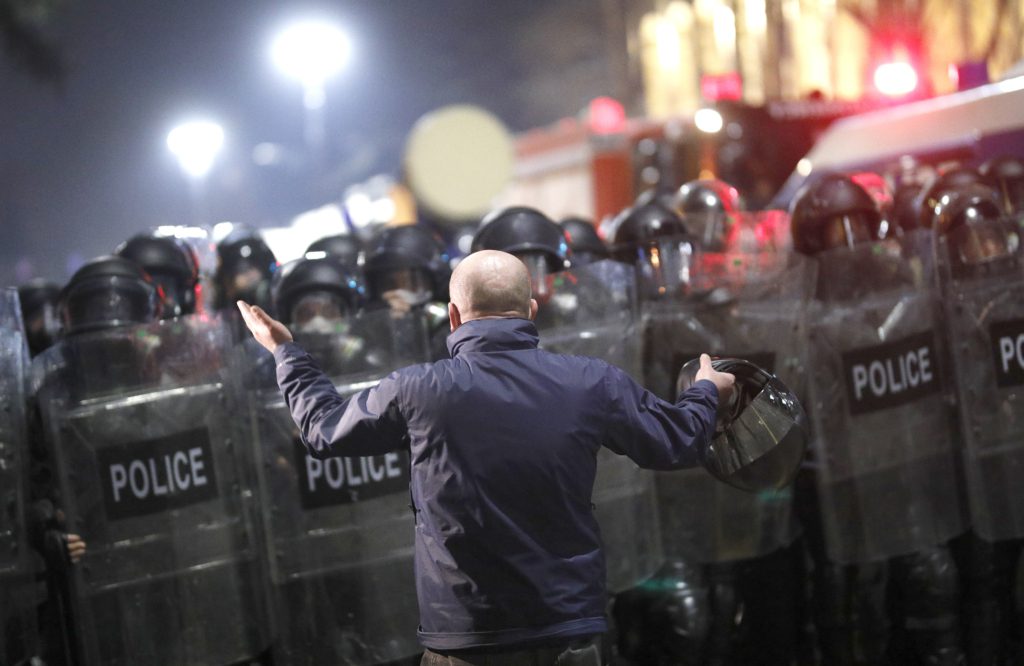
Georgia is experiencing one of the most severe human rights regressions since its independence, driven by a government strategy to suppress dissent and consolidate power. According to a report by Amnesty International titled Anatomy of Repression – Georgia: 500 Days of Protest, Crackdown and Resilience, the ruling Georgian Dream party has systematically weaponized legislation, the judiciary, and police force to marginalize civil society, independent media, and peaceful protesters.
Why Is the Georgian Government Targeting Civil Society?
The Georgian government is utilizing a strategy of “legal repression” to insulate itself from public scrutiny regarding its shift toward Russia and away from European Union integration. Amnesty International reports that officials have passed a series of restrictive laws, including the May 2024 Law on Transparency of Foreign Influence and the April 2025 Foreign Agents Registration Act. These measures classify organizations receiving international funding as “foreign agents,” effectively forcing many civil society groups to suspend operations due to asset freezes and intrusive oversight.
According to Amnesty International, the Georgian Public Defender’s Office documented that between 78% and 88% of individuals detained by security forces in 2024 and 2025 reported experiencing ill-treatment while in custody.
How Are Protesters Being Treated by Authorities?
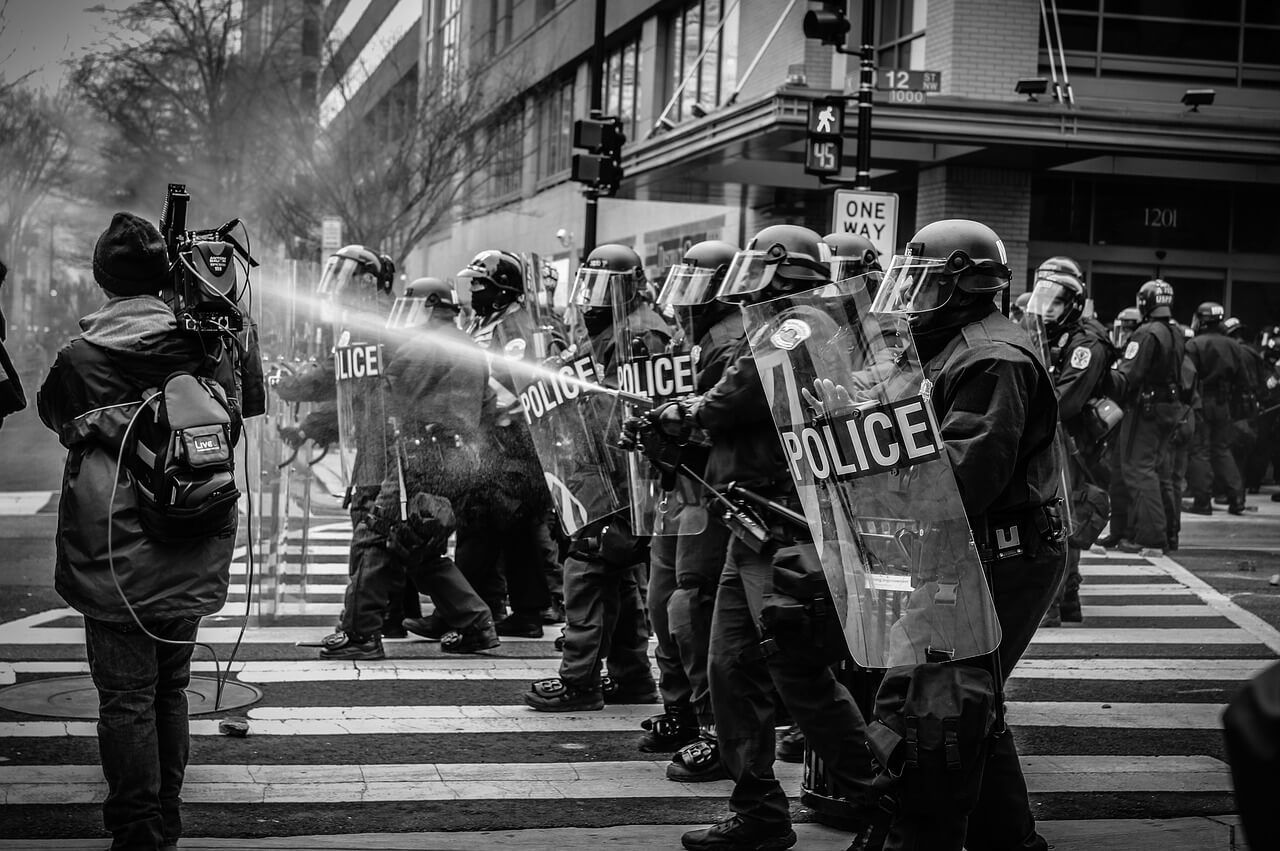
Police have responded to mass protests against these policies with significant force, often involving physical abuse and arbitrary arrests. Data from the Public Defender’s Office indicates that in November 2024 alone, more than 300 detained protesters reported serious physical violence, with over 80 requiring hospitalization for injuries such as fractures and concussions. Participants, including 22-year-old Aleksandre Tirkia—who sustained brain injuries and permanent eye damage from a tear gas canister—have described being trapped in “beating corridors” by police cordons.
What Role Does the Judiciary Play in Repression?
The Georgian judiciary has been instrumentalized to formalize the crackdown on dissent. Amnesty International reports that courts are frequently used to rubber-stamp motions against protesters, imposing ruinous fines and administrative detention. For example, some protesters have been fined thousands of dollars for standing on sidewalks or roads, amounts that far exceed the national average monthly salary. Currently, more than 150 individuals remain detained in cases that international observers characterize as unfair trials.
Comparison: Institutional Response to Dissent
| Metric | Reported Status |
|---|---|
| Police Accountability | Minimal; only 5 officers charged as of May 2026. |
| Protester Detentions | Over 150 currently held in custody. |
What Are the Long-Term Consequences for Georgia?
The systematic erosion of civic space creates a “survival mode” for independent journalists and activists, threatening the future of democratic discourse in the country. Denis Krivosheev, Amnesty International’s Deputy Director for Eastern Europe and Central Asia, warns that Georgia’s recent trajectory serves as a cautionary tale of how state institutions can be rapidly converted into tools for entrenching political power. As international funding for civil society is restricted, the burden of advocacy is shifting to voluntary, high-risk efforts by individuals who face ongoing threats of criminal prosecution and financial ruin.
For those tracking these developments, monitor the Public Defender of Georgia’s official reports, as they provide the most consistent data on detention conditions and human rights violations within the country.
Frequently Asked Questions
- What is the primary cause of the current unrest in Georgia?
Public discontent stems from the ruling party’s restrictive legislative agenda, its stance on Russia’s war in Ukraine, and a perceived move away from EU accession goals. - Are independent journalists protected in Georgia?
No. According to journalists interviewed by Amnesty International, reporting on the government now carries significant risks, including physical threats, digital surveillance, and criminal prosecution. - Has there been any accountability for police violence?
Accountability is extremely limited. As of May 2026, only one case involving five police officers has resulted in charges for abuse of power, despite hundreds of reports of torture and ill-treatment.
Stay informed on the situation in Eastern Europe by subscribing to our weekly human rights newsletter. Have a question or insight? Leave a comment below to join the discussion.