
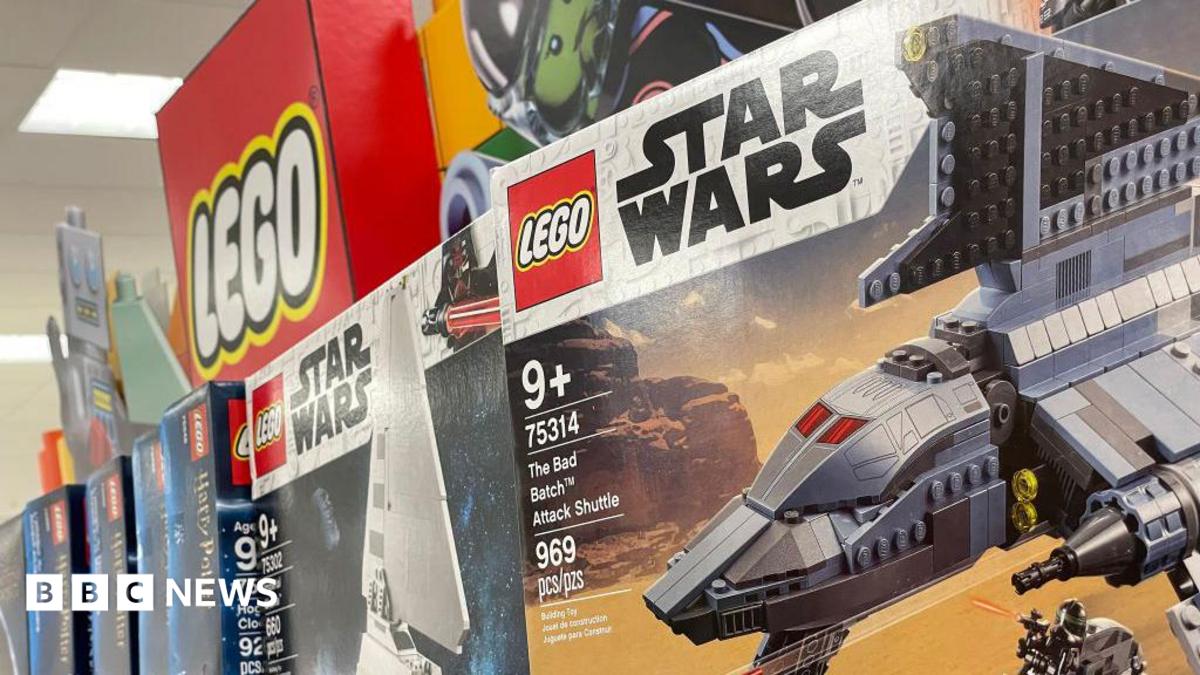
An ultra-rare Star Wars Lego collection went missing – it’s sparked viral conspiracies
Ed Mansell’s Star Wars LEGO collection, featuring a Cloud City set valued up to $10,000, vanished after a consignment agreement with a Bricks & Minifigs franchise in Salem, Oregon. The case, involving missing assets and a dispute between the owner, former franchise operator Chrystal Law, and new ownership, underscores the growing legal volatility of using third-party consignment for high-value alternative assets.
Why are high-value collectibles being used as retirement funds?
Investors are increasingly treating “alternative assets”—like rare LEGO sets, trading cards, and vintage comics—as legitimate nest eggs. Ed Mansell’s situation illustrates this shift, as he viewed his Star Wars collection as a financial safeguard for his later years. This trend stems from the documented appreciation of retired LEGO sets, which some market analysts suggest can outperform traditional stock indices in specific niches.
The risk arises when these physical assets are managed by third parties. In Mansell’s case, the Bricks & Minifigs parent company confirmed that the store sold at least $52,000 worth of his items. However, the lack of a centralized, transparent tracking system for consignment items can leave owners vulnerable when the intermediary fails.
What happens to consigned goods during a business ownership change?
The transition of a business—especially a franchise—often creates a “legal blind spot” for asset owners. When Bricks & Minifigs ousted Chrystal Law over an unpaid debt and transferred the Salem location to new owners, Mansell’s collection disappeared from the ledger. The new owners claimed they had no knowledge of the consignment agreement.
This highlights a critical vulnerability in franchise models: the distinction between the corporate brand and the individual franchise operator. While the brand provides the storefront, the legal liability for consigned goods often rests solely with the local operator. When that operator is removed, the trail of ownership can vanish, leading to the police reports and lawsuits seen in the Mansell case.
Comparing Corporate Data vs. Owner Experience
There is a stark contrast in how this loss is framed. The Bricks & Minifigs parent company focuses on the $52,000 in verified sales. Conversely, Mansell focuses on the remaining “missing” portion of the collection, including the ultra-rare Cloud City set. This gap suggests that while sales tracking may exist, inventory custody tracking is often neglected.
How are influencers like “Reckless Ben” changing dispute resolution?
When traditional legal and police channels move slowly, collectors are turning to “social media investigators.” The involvement of YouTuber Reckless Ben in the Mansell saga shifted a local Oregon business dispute into a global conversation. This trend marks a shift toward the “Court of Public Opinion” as a tool for recovery.
Influencers provide a level of visibility that police reports don’t. By broadcasting the details of a missing collection to thousands of fellow collectors, they create a digital dragnet. If a stolen Cloud City set appears on a secondary market like eBay or BrickLink, the community is more likely to flag it to the original owner than a law enforcement agency would be.
How can collectors protect their assets in the future?
To avoid the “missing nest egg” scenario, experts suggest moving away from blind consignment. Future trends point toward the use of blockchain-based provenance or third-party escrow services that track the physical location and ownership of an item in real-time.
Collectors should also insist on “Insurance Riders.” Standard homeowners’ insurance rarely covers high-value collectibles held at a third-party location. A specific rider ensures that if a franchise owner disappears or a business closes, the financial loss is mitigated regardless of who is at fault.
Frequently Asked Questions
What is a consignment agreement in collectibles?
It’s a legal arrangement where the owner (consignor) lets a shop (consignee) sell an item. The owner retains legal title until the item is sold to a third party.
Why is the LEGO Cloud City set so valuable?
Due to its rarity, size, and status as a Star Wars centerpiece, it’s highly sought after by investors, with some units reaching $10,000 depending on condition and packaging.
Can I sue a parent company for a franchise’s mistake?
Generally, no. Most franchise agreements explicitly state that the franchisee is an independent contractor, meaning the corporate entity isn’t liable for the local owner’s debts or missing inventory.
Have you ever used consignment for your collections?
Share your experience or ask a question in the comments below. Let’s discuss how to keep the collecting community safe.